Your shopping cart
😊 Product added to cart successfully
Product removed to cart successfully

For years, I fell into the classic beauty trap. I spent thousands on designer moisturisers, overnight peeling solutions, and miraculous serums that promised a flawless complexion in weeks. Yet, my mirror told a different story. My skin remained dull, occasionally inflamed, and stubbornly uneven. It was only when I began researching cellular biology and clinical nutrition that the truth became undeniable. Topically applied skincare can only do so much if your cells are starved of the fundamental building blocks they need to regenerate.
Your skin is an active organ that remodels itself constantly. The expensive lotions you apply only touch the dead outer layer, the stratum corneum. True, lasting skin brightening and rejuvenation happen deep within the dermis, where new cells are born. By feeding your body specific, nutrient-dense foods, you supply the raw materials required to synthesise collagen, fight oxidative stress, and maintain a robust cellular barrier. Let us explore ten exceptional foods that offer more profound biological benefits for your skin than many premium cosmetic formulations.
Wild-caught salmon is an absolute powerhouse for cellular membrane integrity. It is exceptionally rich in dimethylaminoethanol and astaxanthin, which work in tandem to reduce systemic inflammatory pathways. The abundance of omega 3 fatty acids found in salmon helps keep cell membranes soft and elastic, allowing nutrients to enter and waste products to exit efficiently. This structural optimisation ensures that moisture remains locked within the skin, preventing dry, flaky patches. To monitor your fatty acid consumption, you can use the Cronometer nutrient tracker app to log your daily anti inflammatory lipids. Incorporating these healthy fats also complements your internal cellular health, working beautifully alongside Skin & Hair Wellness Nutraceutical Supplements to build a resilient, hydrated barrier from the inside out.
Hass avocados contain high concentrations of monounsaturated fatty acids and d-alpha-tocopherol, a highly bioavailable form of Vitamin E. These compounds protect skin lipids from oxidation, which is a major driver of premature ageing and dullness. When you consume avocados, you provide your skin with natural lubricating agents that keep the dermal layer looking supple and plump. You can keep tabs on your daily intake of monounsaturated fats by tracking your meal plans on the MyFitnessPal application. This ensures your body receives enough essential building blocks to maintain a healthy lipid mantle, reducing your reliance on heavy topical oils.
Wild blueberries are packed with anthocyanins, which are potent antioxidants that give them their deep blue hue. These phytonutrients neutralise free radicals generated by environmental pollution and emotional stress, preventing them from breaking down your precious collagen matrix. Consuming wild berries regularly helps maintain the structural framework of your skin, keeping it firm and resilient. You can study the nutrient density and antioxidant ratings of various berry varieties using the USDA FoodData Central database tool. The high concentration of micronutrients in these fruits supports natural skin brightening, helping to clear away the oxidative damage that makes your complexion appear tired and gray.
Sweet potatoes are a spectacular source of beta carotene, an organic compound that your liver converts into active Vitamin E and Vitamin A. This biological conversion stimulates cellular turnover, mimicking the effects of topical retinoids without the associated dryness or peeling. Regular consumption gives your skin a warm, golden glow, reflecting optimal internal health. To monitor your daily intake of provitamin A and ensure you are meeting your nutritional benchmarks, utilise the Nutritionix tracking software. For those who want to accelerate these cellular renewal pathways externally, pairing a nutrient-rich diet with advanced Retinal and Botox-Alternative Rejuvenating Serums can help dramatically smooth fine lines and refine skin texture.
Walnuts are unique among nuts because they contain a perfectly balanced ratio of omega 3 and omega 6 essential fatty acids. They are also rich in zinc, which plays a pivotal role in wound healing and inflammatory control. The zinc in walnuts helps your skin recover from micro-injuries, acne breakouts, and environmental stressors. To find clean, raw, and sustainably sourced walnut options free from inflammatory seed oils, check the Open Food Facts crowdsourced database. Including a handful of walnuts in your daily routine helps reinforce your skin's natural defence mechanisms, keeping your complexion calm and balanced.
Organic matcha contains high levels of epigallocatechin gallate, a polyphenol known for its ability to inhibit sebum production and block androgen receptors in the skin. This makes it an excellent dietary intervention for individuals struggling with persistent acne or excessively oily skin. It also helps preserve collagen by inhibiting the enzymes that degrade it. To ensure you are choosing high-quality matcha free from heavy metals and synthetic additives, you can search for certified organic brands on the EWG Skin Deep database and lifestyle guides. Drinking green tea regularly purifies your skin from within, giving you a clean, matte look.
Cooked tomatoes are loaded with lycopene, a powerful carotenoid that helps protect your skin from ultraviolet radiation. Lycopene acts as an internal sunscreen, neutralising the free radicals produced by sun exposure and reducing the risk of sunburn. While it does not replace your daily sun protection, it significantly enhances your skin's natural defense. You can monitor local UV levels and manage your sun safety habits using the SunSmart app. To ensure complete protection against photoaging, you must pair this dietary habit with high-quality, physical Broad-Spectrum Mineral and Gel Sunscreens every day.
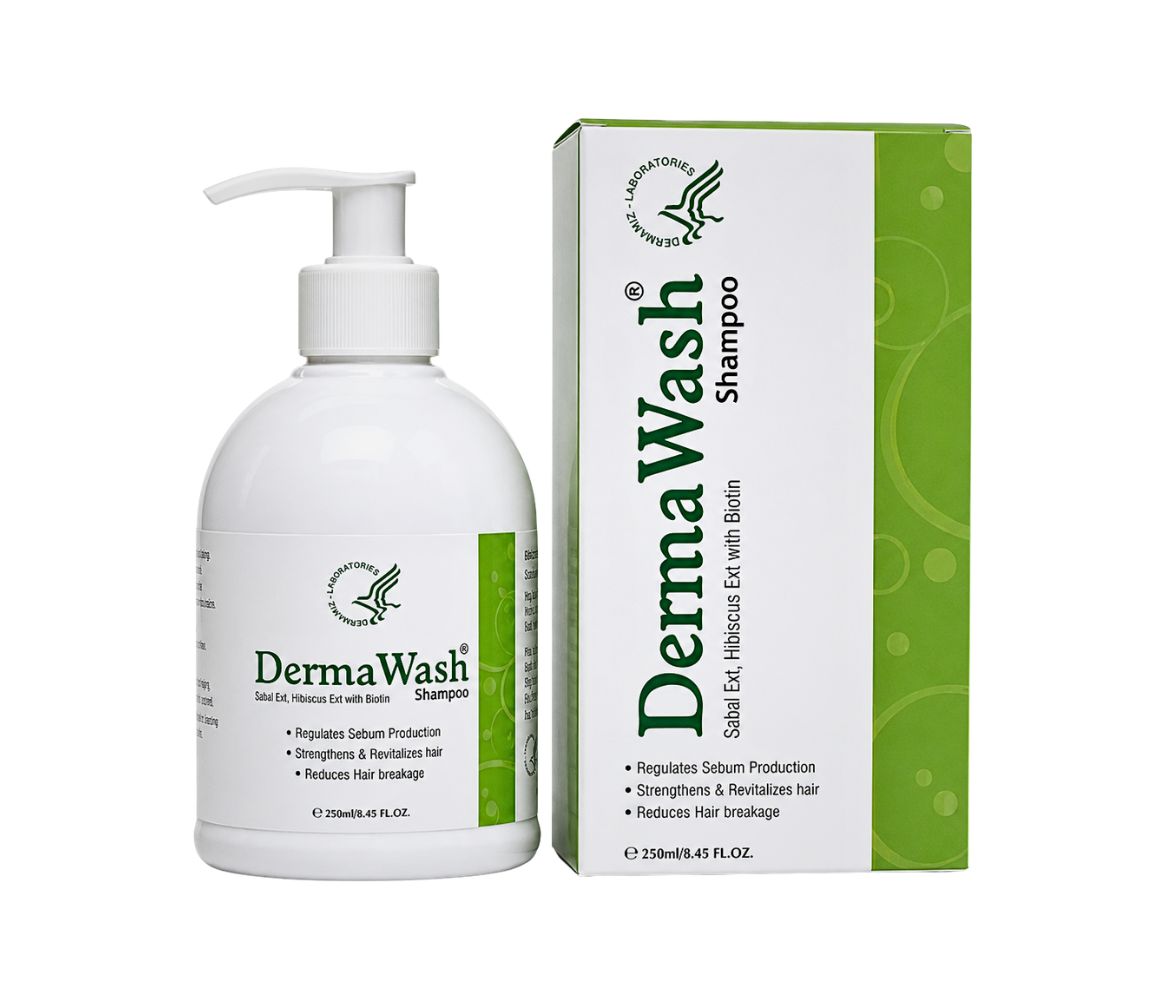
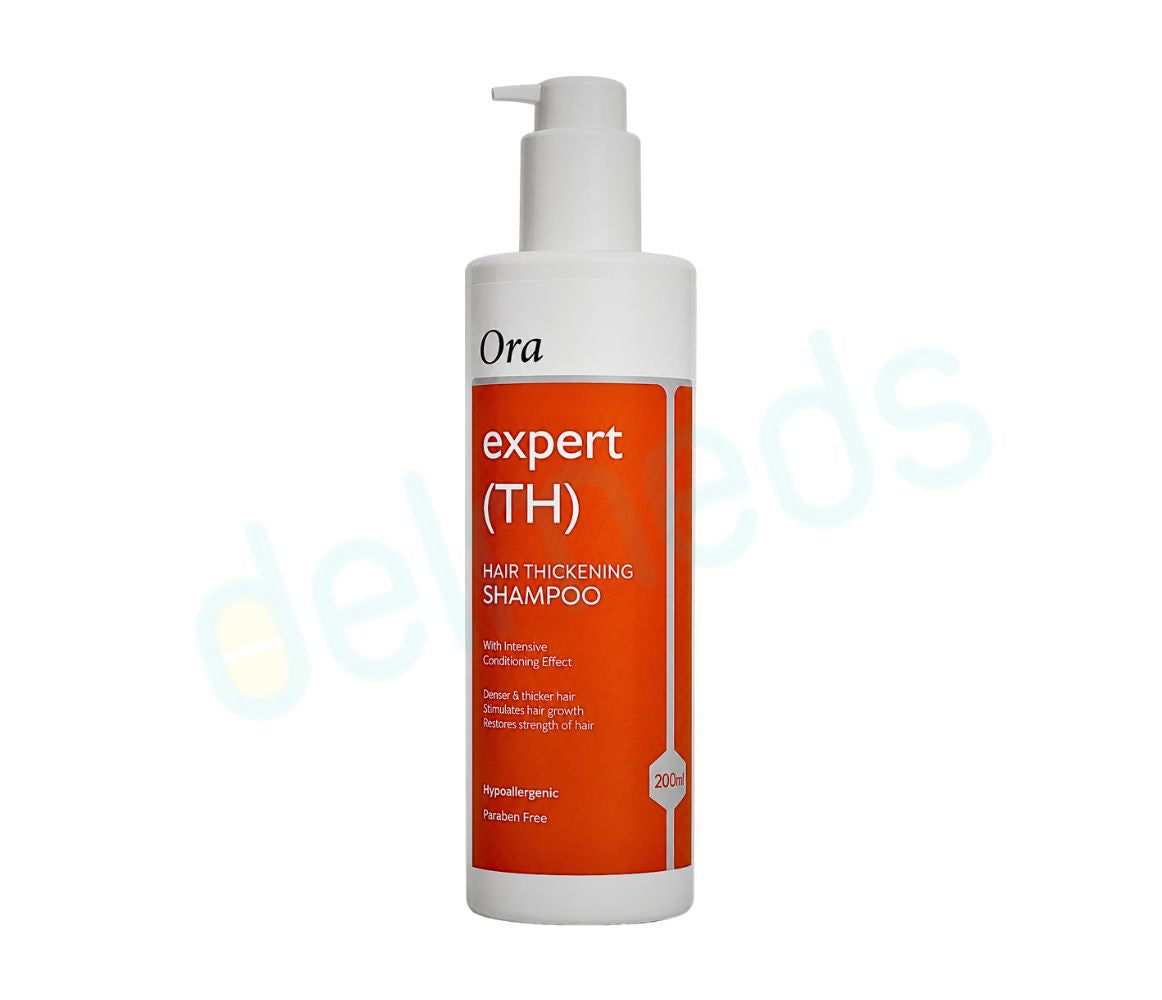
Pumpkin seeds are an incredible source of zinc, magnesium, and plant-based proteins. Zinc is vital for cell division and the synthesis of collagen, making these seeds essential for repairing damaged tissue and keeping your skin youthful. Furthermore, the trace minerals in pumpkin seeds support the health of your scalp and hair follicles. You can optimize your daily mineral intake using the MyPlate planner to track your nutrient targets. If you are experiencing hair thinning alongside dull skin, combining these mineral-dense seeds with targeted Clinical Hair Growth Serums and Shampoos can provide a comprehensive solution for both scalp and skin revitalisation.
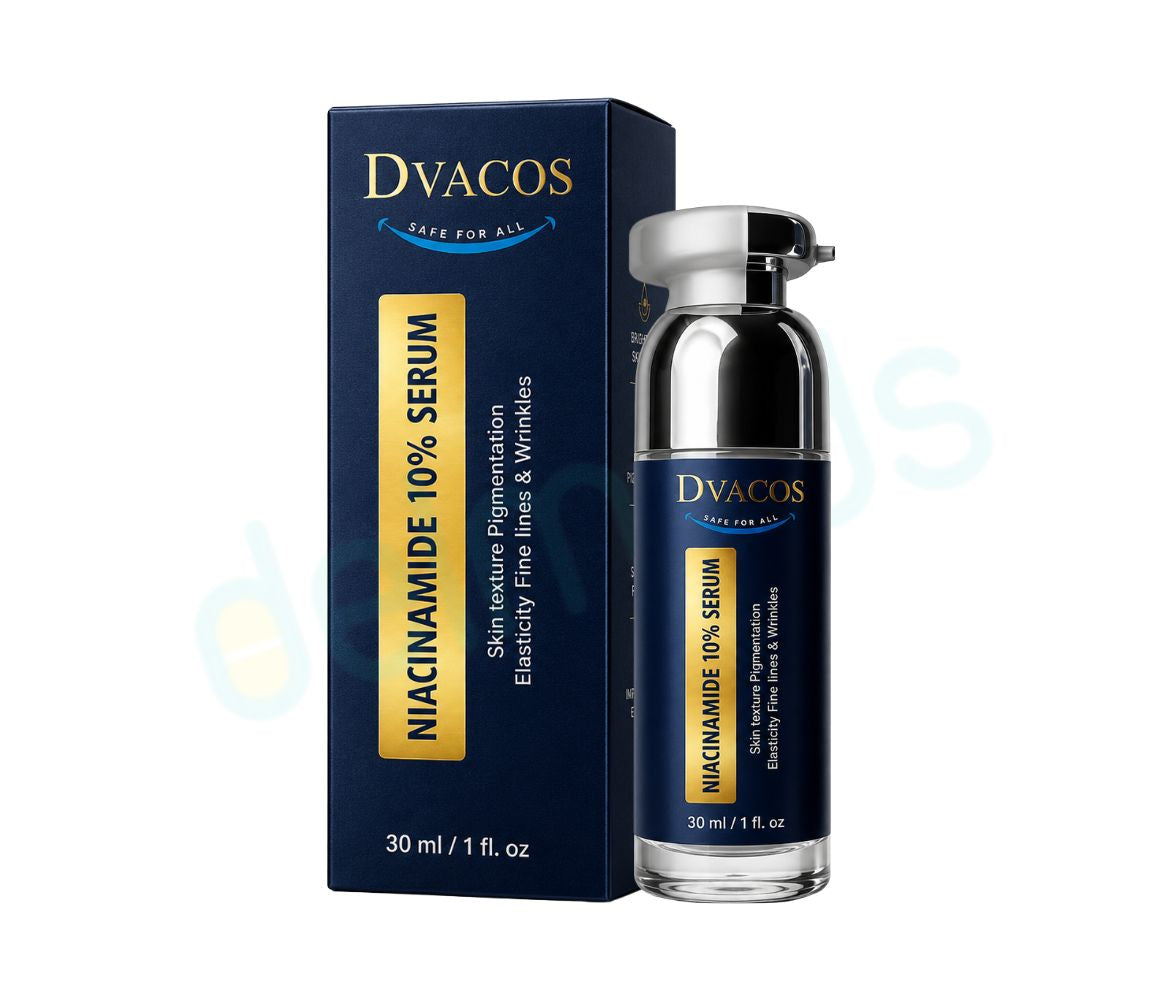
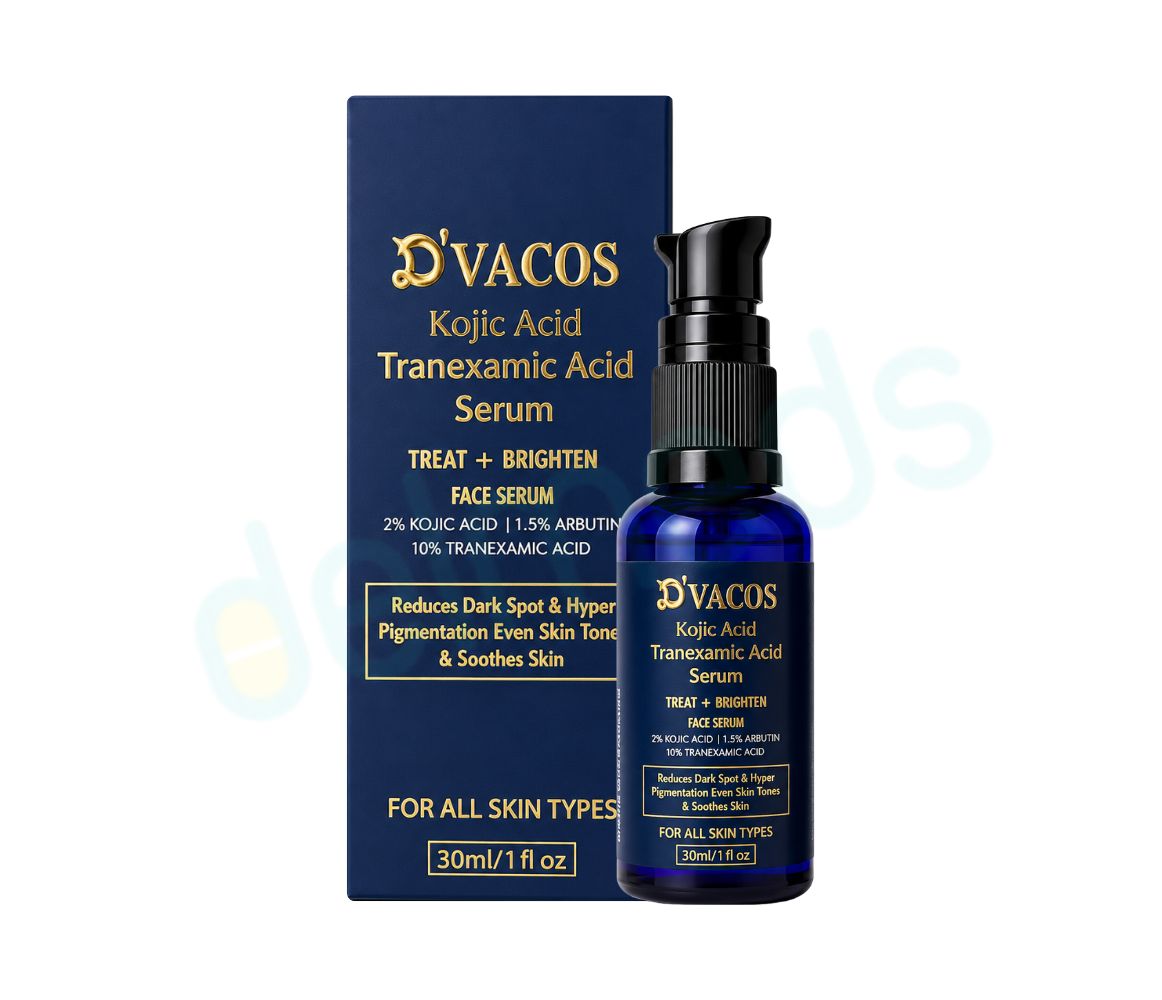
Citrus fruits like oranges, grapefruits, and lemons are packed with bioavailable Vitamin C, an essential cofactor for collagen synthesis. Without adequate Vitamin C, your body cannot cross-link collagen fibres, leading to sagging skin and poor healing. Vitamin C also inhibits melanin production, making it a key player in skin brightening and reducing dark spots. You can scan supermarket products to find clean, organic citrus options using the Yuka app. To address hyperpigmentation from both sides, combine your dietary Vitamin C with topical Niacinamide, Kojic Acid, and Tranexamic Acid Face Serums to accelerate the fading of stubborn dark spots.
Bone broth is a rich source of bioavailable collagen peptides, glycine, and proline, which are the primary amino acids used to build your skin's connective tissue. Regularly consuming bone broth helps replenish your body's collagen stores, improving skin elasticity and moisture retention. To track your daily protein intake and manage your dietary macros, you can use the Carb Manager tool. Drinking bone broth provides your body with the direct structural units needed to keep your skin firm, smooth, and resilient against the signs of aging.
Wild-caught salmon and avocados are widely considered the best foods for skincare. They provide essential fatty acids, vitamins, and antioxidants that reduce inflammation, lock in moisture, and protect your skin cells from environmental damage.
A nutrient-dense diet cannot fully replace targeted skincare, but it provides the essential building blocks that topical products cannot. For the best results, combine a healthy diet with a simple, high-performance skincare routine.
It typically takes four to six weeks for dietary changes to show on your skin. This is the amount of time required for new skin cells to form in the deeper layers of your dermis and travel to the surface.
Refined sugars, high-glycemic carbohydrates, and processed foods with trans fats can spike insulin levels, trigger inflammation, and accelerate skin ageing by breaking down collagen and elastin.
Drinking water is essential, but your skin needs healthy fats from foods like avocados and walnuts to lock that moisture in. Without a strong lipid barrier, the water you drink will simply evaporate from your skin.
Yes, foods rich in Vitamin C, such as citrus fruits and strawberries, inhibit melanin production and promote skin brightening, helping to fade dark spots and even out your complexion.
When you consume collagen-rich foods like bone broth, your body breaks them down into amino acids. These amino acids are then transported through the bloodstream to the dermis, where they stimulate your body's natural collagen production.
Healthy fats reinforce the cell membranes in your skin's lipid barrier. This barrier acts as a seal, keeping moisture locked inside and preventing environmental irritants from causing dryness and irritation.
Foods rich in lycopene, like cooked tomatoes, and beta carotene, like sweet potatoes, help neutralise free radicals caused by UV rays, providing a natural layer of internal defense against sun damage.
Deficiencies in iron, zinc, and essential fatty acids can lead to pale, dull skin and hair thinning. Eating a balanced diet rich in seeds, nuts, and leafy greens helps prevent these issues.
True beauty and skin health start from within. While luxury creams and serums have their place, they cannot compensate for a diet lacking in essential nutrients. By incorporating wild-caught salmon, avocados, sweet potatoes, and other nutrient-dense foods into your daily meals, you provide your skin with the biological tools it needs to regenerate, heal, and glow. For a quick reference, here is a summary of the key takeaways from this guide:
DISCLAIMER : This website provides general information for educational purposes only and should not be considered a substitute for professional medical advice, diagnosis, or treatment. Always seek the guidance of a qualified healthcare professional with any questions you may have regarding a medical condition. Do not disregard professional medical advice or delay seeking it because of information you've read on this website. Your health is important – when in doubt, consult a doctor.