
Your shopping cart
😊 Product added to cart successfully
Product removed to cart successfully

Supplements have become part of everyday health conversations in India. People take them for energy, hair fall, skin glow, immunity, bones, gym performance, weakness, sleep, stress, digestion, and general wellness.
But there is one big mistake many people make.
They take supplements randomly.
Someone feels tired, so they start a multivitamin. Someone has hair fall, so they start biotin. Someone sees a reel about magnesium, so they order it. Someone hears vitamin D is common in India, so they take high-dose vitamin D every week without testing. Someone feels weak and starts iron without knowing whether iron is actually low.
This is not the right approach.
Supplements can be useful when there is a real nutritional gap, poor diet, low sun exposure, vegetarian diet, higher requirement, blood-report deficiency, or doctor-guided need. But they are not magic tablets. They cannot replace food, sleep, exercise, sunlight, hydration, and basic health checkups.
For many Indians, some nutrients deserve more attention because of common lifestyle and dietary patterns. Vitamin D, vitamin B12, iron, calcium, omega-3, magnesium, zinc, protein, and probiotics are among the most discussed options.
But not everyone needs all of them.
The smartest supplement routine is not the longest one. It is the one that matches your body, your food habits, your blood reports, your age, and your health goals.
Let’s understand the best health supplements many Indians may need, what they do, who should consider them, and what to avoid.
The title says “many Indians may need,” not “everyone should take.”
That difference is important.
Supplements are meant to support nutritional gaps. They should not be used blindly. Your body may need vitamin D but not iron. You may need B12 but not biotin. You may need more dietary protein rather than a multivitamin. You may need better sleep instead of magnesium.
Before starting supplements, ask yourself:
Do I have a confirmed deficiency?
Is my diet missing this nutrient?
Am I vegetarian or vegan?
Do I get enough sunlight?
Do I feel symptoms like fatigue, weakness, hair fall, cramps, numbness, or low stamina?
Am I pregnant, breastfeeding, elderly, diabetic, thyroid patient, or on regular medicines?
Have I done basic blood tests?
Supplements can help when used correctly, but overuse can create problems. Fat-soluble vitamins like A, D, E, and K can build up in the body. Iron should not be taken without need. Calcium should be used carefully. Herbal supplements can interact with other products.
So the safest approach is simple: test, understand, supplement if needed, and review.
Vitamin D is one of the most commonly discussed deficiencies in India.
This surprises many people because India gets plenty of sunlight. But modern lifestyle has changed. Many people work indoors, avoid sun due to heat, use covered clothing, travel in cars, live in polluted cities, or get sun exposure through glass windows, which does not help vitamin D production properly.
Vitamin D supports bone health, muscle function, calcium absorption, and general wellness. Low vitamin D may be linked with body ache, tiredness, muscle weakness, low mood, poor bone strength, and frequent fatigue-like symptoms.
Who may need to check vitamin D?
Office workers with low sun exposure.
Elderly people.
People with bone pain or muscle weakness.
People who avoid sunlight.
People with darker skin and limited outdoor time.
People with low calcium or bone concerns.
Women after 30 or 40.
People who cover most of their skin outdoors.
Vitamin D is useful, but random high-dose use is not ideal. Many people take weekly vitamin D shots or capsules for months without retesting. That can be unsafe.
A better approach is to test 25-hydroxy vitamin D levels, follow doctor guidance, and then move to a maintenance plan if needed.
For people exploring vitamin D and magnesium support, Nutrova Magnesium + D3 Health Supplement Tablet is one example of a combined formula, but dosage should always match individual need.
Vitamin B12 is another nutrient many Indians should pay attention to, especially vegetarians.
B12 is mostly found in animal-based foods such as meat, fish, eggs, and dairy. Strict vegetarians, vegans, and people with low animal-food intake may not get enough B12 from diet alone.
Vitamin B12 supports nerve function, red blood cell formation, energy metabolism, brain health, and overall vitality. Low B12 can sometimes show up as tiredness, weakness, numbness, tingling, memory issues, mouth ulcers, low mood, or poor concentration.
Who may need B12 testing?
Vegetarians.
Vegans.
People with low dairy or egg intake.
People with unexplained fatigue.
People with numbness or tingling.
Older adults.
People with digestive absorption issues.
People taking long-term acid-reducing medicines.
People with diabetes using metformin should also discuss B12 monitoring with their doctor because long-term use may affect B12 levels in some people.
B12 supplements can be useful when levels are low. Common forms include methylcobalamin and cyanocobalamin. The right form and dose depends on the person.
A supplement like Cobimax Softgel Capsule includes vitamin B12 along with other nutrients, but it should be chosen based on actual requirement, not just because tiredness is present.
Iron is important for red blood cell formation and oxygen transport. Iron deficiency is common, especially among women with heavy periods, pregnant women, people with low dietary intake, and those with certain digestive issues.
Low iron may cause tiredness, weakness, dizziness, pale skin, hair fall, breathlessness on exertion, headaches, and poor stamina.
But iron is not a casual supplement.
Taking iron without deficiency can cause constipation, nausea, stomach discomfort, and excess iron-related concerns. It may also hide the real reason behind fatigue if you are self-supplementing without testing.
Before taking iron, check:
CBC.
Serum ferritin.
Iron profile if advised.
B12 and folate if needed.
Women with heavy periods should not simply keep taking iron without finding the reason for blood loss. A doctor’s evaluation may be needed.
Iron is helpful when deficiency is confirmed, but avoid taking it randomly for hair fall or tiredness.
Calcium supports bones, teeth, muscle function, and nerve signalling. Many people think everyone after 30 should take calcium, but that is not always true.
Some people get enough calcium through food, especially if they consume milk, curd, paneer, ragi, sesame seeds, leafy greens, tofu, fortified foods, or other calcium-rich options.
Calcium supplements may be considered for people with low intake, older adults, postmenopausal women, bone density concerns, or doctor-guided needs.
But calcium should not be taken blindly. Too much calcium from supplements may not be suitable for everyone, especially people with kidney stone history or specific health conditions.
Also, calcium works closely with vitamin D. If vitamin D is low, calcium absorption may not be optimal.
Instead of starting calcium tablets casually, assess your diet, vitamin D level, age, bone health, and doctor’s advice.
Omega-3 fatty acids are healthy fats, especially EPA and DHA, commonly found in fatty fish. They support heart, brain, eye, and inflammation-related wellness.
Many Indians do not eat fish regularly. Vegetarians may get ALA from flaxseed, chia seeds, walnuts, and mustard oil, but conversion from ALA to EPA and DHA is limited.
Who may consider omega-3?
People who rarely eat fish.
People with low intake of healthy fats.
People looking for heart-health supportive nutrition.
People with dry-eye concerns, if advised.
People with high triglycerides should consult a doctor because higher-dose omega-3 use needs proper guidance.
Omega-3 supplements can be useful, but quality matters. Look for purity, EPA/DHA content, freshness, and third-party quality markers where available. People on blood thinners, those with surgery planned, or those with bleeding concerns should speak with a doctor before using higher doses.
Magnesium is trending for sleep, stress, cramps, muscle recovery, headaches, and relaxation. It is involved in many body functions, including muscle and nerve function, energy production, and bone health.
But magnesium is not a cure-all.
Some people may benefit if their diet is low in magnesium or if they have muscle cramps, poor sleep quality, high stress lifestyle, or low intake of nuts, seeds, legumes, whole grains, and leafy greens.
Food sources include almonds, pumpkin seeds, peanuts, spinach, beans, whole grains, and dark chocolate.
Magnesium supplements come in different forms such as magnesium glycinate, citrate, oxide, and bisglycinate. Some forms are better tolerated than others. Too much magnesium may cause loose stools or digestive discomfort.
People with kidney disease should avoid magnesium supplements unless advised by a doctor.
Magnesium may be useful, but it should not be taken just because it is trending.
Zinc is important for immune function, skin health, hair health, taste, smell, and wound support. It is commonly included in hair, skin, and immunity supplements.
Low zinc intake may occur in people with poor diets, high processed-food intake, digestive issues, or low intake of nuts, seeds, legumes, eggs, meat, and seafood.
Zinc may support acne-prone skin and hair wellness in some cases, but it is not a guaranteed solution for acne or hair fall.
Too much zinc can cause nausea, stomach upset, and may affect copper balance over time. Long-term high-dose zinc should be avoided unless advised.
Zinc works best as part of a balanced nutrition plan, not as a single magic ingredient.
Many Indians, especially vegetarians, do not get enough protein daily. Low protein intake can affect muscle strength, recovery, satiety, hair quality, skin repair, immunity, and general energy.
Before starting multivitamins for weakness, many people should first check whether they are eating enough protein.
Good food sources include dal, chana, rajma, paneer, curd, milk, eggs, chicken, fish, soy, tofu, sprouts, peanuts, and whey protein if suitable.
Protein powder may be useful for:
Gym beginners.
Older adults with low intake.
Vegetarians struggling to meet protein needs.
People with busy schedules.
People recovering from low appetite.
But choose protein carefully. Look for quality, digestibility, sugar content, and suitability. People with kidney disease or specific health conditions should take professional guidance before increasing protein significantly.
Protein is not only for bodybuilders. It is basic nutrition.
Multivitamins are popular because they feel like an easy solution. One tablet and everything is covered.
But that is not how nutrition works.
A multivitamin can help fill small gaps, especially for people with irregular eating patterns, low appetite, restricted diets, travel-heavy routines, or poor food variety. But it cannot replace a balanced diet.
If your vitamin D or B12 is very low, a normal multivitamin may not be enough. If iron is low, a multivitamin may not correct it properly. If protein intake is low, multivitamins will not solve that.
A multivitamin should be seen as support, not a shortcut.
For general wellness options, health supplements can help users compare different categories, but the best choice depends on diet, age, blood reports, and goals.
Probiotics are beneficial bacteria that may support gut health. They are often used for bloating, digestion support, loose stools after antibiotics, gut imbalance, and general digestive wellness.
But not everyone needs probiotic supplements daily.
Food sources like curd, fermented foods, kanji, idli, dosa, dhokla, and other fermented preparations may support gut diversity depending on preparation and diet pattern.
Probiotic supplements can be helpful in specific situations, but strain matters. Not every probiotic works the same way. People with severe illness, weak immunity, or serious gut conditions should use probiotics only with guidance.
For everyday gut health, fibre, hydration, sleep, movement, and balanced meals matter more than random probiotic use.
Collagen supplements are trending for skin elasticity, ageing, joints, and hair. They usually contain hydrolysed collagen peptides.
Some people may notice skin hydration or joint comfort support with consistent use, but results vary. Collagen is not a face-lift in powder form. It should be paired with protein-rich food, vitamin C intake, sunscreen, strength training, and overall health habits.
Vegetarians should note that most collagen supplements are animal-derived.
Collagen may be considered by people after 30 or 40, active individuals, or those interested in skin and joint support. But it is not essential for everyone.
If your protein intake is poor, fixing total protein may matter more than adding collagen.
Biotin is one of the most overused supplements for hair fall.
Biotin deficiency is actually not as common as people think. If you are not deficient, extra biotin may not do much for hair fall. Hair fall can happen due to low iron, low vitamin D, low B12, thyroid imbalance, stress, fever, weight loss, poor protein intake, hormonal issues, dandruff, scalp inflammation, or genetics.
Taking biotin without checking the cause may delay the right solution.
Another important point: biotin can interfere with some lab test results. So always inform your doctor if you are taking biotin before blood tests.
Biotin may help when deficiency is present, but it is not a universal hair fall answer.
Folate, also known as vitamin B9, supports red blood cell formation and is especially important before and during pregnancy.
Women planning pregnancy are often advised folic acid, but the dose and timing should be guided by a healthcare professional.
Folate may also be considered when deficiency is confirmed or when B12 and folate-related blood markers need support.
Do not take folate randomly if B12 deficiency is suspected because folate can improve some blood parameters while B12-related nerve concerns may continue. Proper testing is better.
CoQ10 is involved in cellular energy production and antioxidant support. It is commonly used in heart-health supportive routines, fertility discussions, energy support, and ageing-related supplement stacks.
It may be considered by some adults, especially those guided by a professional. People taking cholesterol-lowering medicines often discuss CoQ10 with their doctor, as statins may affect CoQ10 levels.
However, CoQ10 is not a basic supplement for everyone. It is more of a targeted option.
If your concern is low energy, first check sleep, diet, vitamin D, B12, iron, thyroid, blood sugar, stress, and physical activity.
Electrolytes like sodium, potassium, magnesium, and chloride help with hydration, muscle function, and fluid balance.
In India, electrolytes can be useful during intense sweating, summer heat, workouts, outdoor work, travel, loose motions, or dehydration risk.
But daily electrolyte drinks are not needed for everyone. Many ready-to-drink options contain sugar or excess sodium. People with high blood pressure, kidney disease, or heart conditions should be careful.
For normal daily life, water and balanced food are usually enough. Use electrolytes when there is a clear need.
Vitamin D deficiency is common, but high-dose vitamin D should not be taken for months without testing. Too much can create health risks.
Iron should be taken only when deficiency or need is confirmed. Random iron can cause side effects and may not solve tiredness if the cause is something else.
Calcium is useful in the right person, but unnecessary use can be problematic for some people. Diet and vitamin D status should be assessed.
Fat burners often contain stimulants and strong blends. They may affect heart rate, sleep, anxiety, and blood pressure. Avoid random use.
Your liver already has detoxification systems. Most “detox” claims are marketing-heavy. Focus on less alcohol, better diet, hydration, and sleep.
Too much zinc may disturb copper balance and cause digestive discomfort.
Herbal does not always mean safe. Some can interact with other products, affect liver enzymes, or be unsuitable during pregnancy or long-term health conditions.
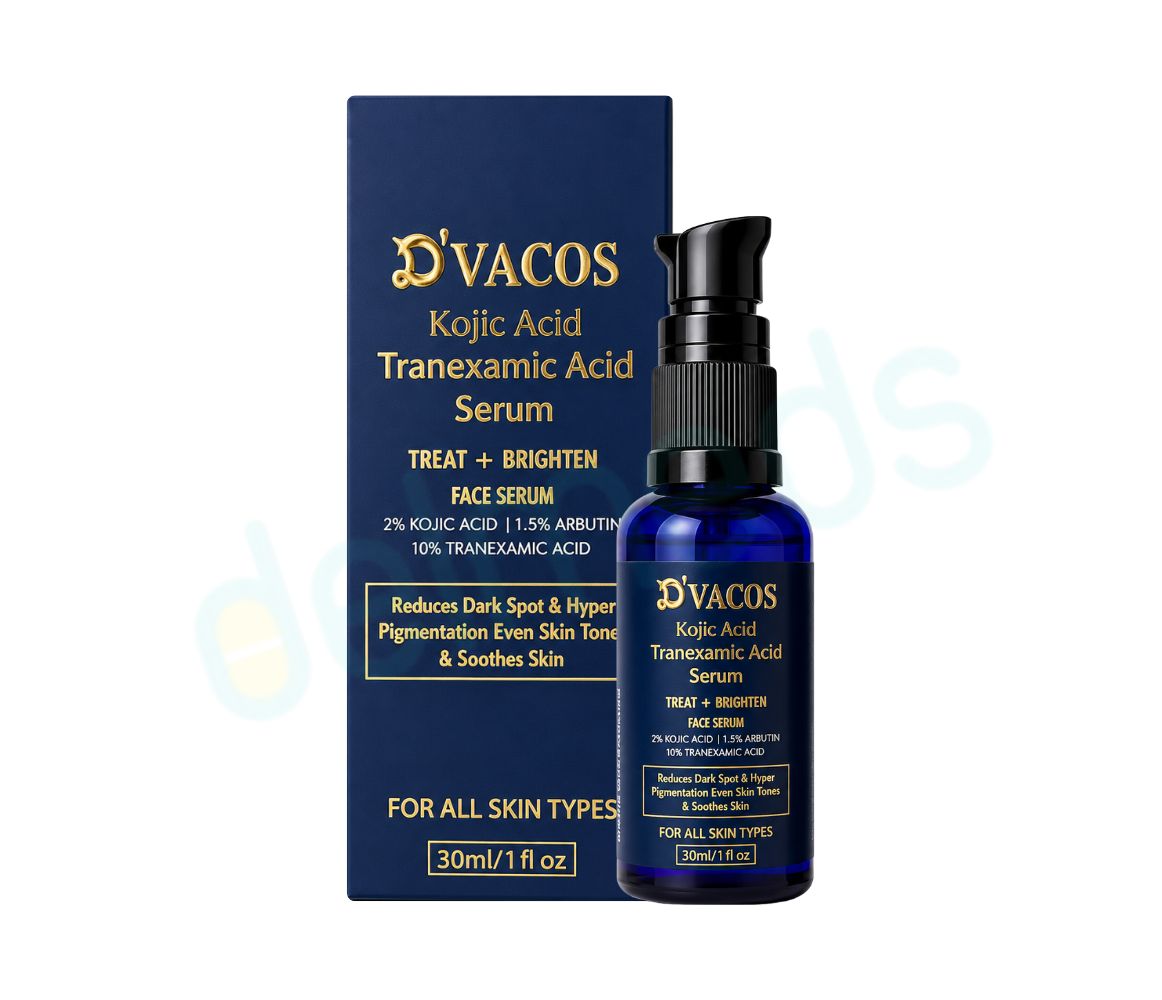
Be careful with products that promise instant fairness, permanent whitening, or dramatic glow. Skin health should be the goal, not unsafe brightening claims.
You do not need every test for everyone, but these are commonly useful depending on symptoms:
CBC.
Vitamin D.
Vitamin B12.
Ferritin.
Iron profile.
Thyroid profile.
HbA1c or fasting blood sugar.
Liver function.
Kidney function.
Calcium.
Lipid profile.
A doctor can guide which tests are relevant. Testing helps avoid guesswork and unnecessary spending.
Check the ingredient list.
Check the dose per serving.
Avoid exaggerated claims.
Prefer transparent labels.
Check expiry date.
Look for FSSAI license details in India.
Avoid unknown brands making miracle promises.
Be careful with imported products without proper label clarity.
Check sugar content in gummies, powders, and drinks.
Avoid taking multiple supplements with overlapping ingredients.
Buy from trusted sources.
Do not mix too many products at once.
The best supplement is not the one with the longest ingredient list. It is the one that gives the right nutrient in the right dose for the right person.
Check vitamin B12, vitamin D, iron, protein intake, omega-3 intake, and calcium intake.
Check vitamin D, B12, sleep quality, activity level, and diet quality.
Focus on vitamin D, iron if periods are heavy, calcium intake, protein, B12, and overall diet.
Focus on vitamin D, B12, protein, omega-3 intake, metabolic health, and exercise.
Focus on protein, creatine if suitable, vitamin D if low, omega-3 if fish intake is poor, and hydration.
Check vitamin D, B12, calcium intake, protein intake, bone health, muscle strength, and overall health status.
Do not start only biotin. Check ferritin, vitamin D, B12, thyroid, protein intake, recent stress, fever, weight loss, and scalp health.
Check sleep, food timing, protein intake, vitamin D, B12, iron, thyroid, blood sugar, and stress before randomly taking multivitamins.
Many Indians may need vitamin D, vitamin B12, iron, calcium, omega-3, protein, magnesium, or zinc depending on diet, lifestyle, age, blood reports, and health status.
No. Vitamin D deficiency is common, but supplementation should depend on sun exposure, diet, symptoms, and blood levels. High-dose vitamin D should not be taken casually.
Yes. Vitamin B12 is especially important for vegetarians and vegans because it is mainly found in animal-based foods. Testing is useful if fatigue, numbness, weakness, or low energy is present.
Multivitamins can fill small gaps but may not be enough for specific deficiencies like very low vitamin D, B12, iron, or protein intake.
Iron should not be taken randomly. It is useful when deficiency is confirmed or when advised. Unnecessary iron can cause side effects.
Magnesium may support relaxation and sleep quality in some people, especially if intake is low, but it is not a sleeping pill and should not replace sleep hygiene.
People who rarely eat fish may consider omega-3, but the right dose and product quality matter. Vegetarians may look for algae-based DHA options.
No. Hair fall can happen due to many reasons such as low iron, low vitamin D, low B12, thyroid issues, stress, fever, low protein, hormones, or scalp concerns. Biotin helps mainly when biotin deficiency is present.
No. Food should be the foundation. Supplements are useful when diet alone is not enough or when a specific deficiency is present.
Yes. Supplements can cause side effects, interact with other products, or create excess intake if taken incorrectly.
Some basic supplements may be used based on diet and professional advice, but for vitamin D, B12, iron, calcium, and long-term use, testing is often safer.
There is no single best supplement. Many people after 30 should focus on vitamin D, B12, protein, calcium intake, omega-3, and iron if needed, but it depends on individual factors.
Supplements are useful only when they match your actual nutritional needs.
Many Indians may need vitamin D due to low sun exposure and indoor lifestyles.
Vegetarians should pay attention to vitamin B12.
Iron should not be taken without confirmed need.
Calcium is important, but food intake and vitamin D status matter first.
Omega-3 may help people who rarely eat fish.
Magnesium is useful for some people but not a magic sleep solution.
Protein is often more important than random multivitamins.
Biotin is not the answer to every hair fall problem.
Avoid high-dose supplements without testing.
Food, sleep, exercise, sunlight, and health checkups remain the foundation.
Health supplements can be helpful, but only when used wisely.
Many Indians may need support with vitamin D, B12, iron, calcium, omega-3, magnesium, zinc, protein, or probiotics depending on lifestyle, diet, blood reports, age, and health goals.
But random supplementation is not smart health care. It can waste money, delay the right solution, and sometimes create side effects.
The best approach is to start with food, sunlight, sleep, hydration, movement, and basic health checks. Then add supplements only where there is a real gap.
Do not take every supplement because it is trending. Do not copy someone else’s routine. Do not assume tiredness always means vitamin deficiency. And do not take high-dose products for months without checking.
Your body does not need the most supplements.
It needs the right support.
DISCLAIMER : This website provides general information for educational purposes only and should not be considered a substitute for professional medical advice, diagnosis, or treatment. Always seek the guidance of a qualified healthcare professional with any questions you may have regarding a medical condition. Do not disregard professional medical advice or delay seeking it because of information you've read on this website. Your health is important – when in doubt, consult a doctor.




1 comment
Thank you for sharing this valuable health content. Educating people about health, nutrition, and wellness empowers them to make better choices for themselves and their families.
https://www.goldenratiobiosciences.com/blogs/all-blogs