Your shopping cart
😊 Product added to cart successfully
Product removed to cart successfully

Your skin does not suddenly change the day you turn 30. But after 30, many people start noticing small changes that were easier to ignore earlier.
The skin may look dull more often. Acne marks may take longer to fade. Fine lines may start appearing around the eyes or forehead. Pigmentation may become more stubborn. The skin may feel dry even if it was oily before. Sunscreen mistakes may start showing up as tanning, uneven tone, melasma, or early ageing signs.
For Indian skin, these concerns can be even more noticeable because our skin is naturally more melanin-rich. Melanin gives some natural protection, but it also means Indian skin can tan, pigment, and mark more easily after sun exposure, acne, irritation, heat, or inflammation.
This is why skincare after 30 should not be about using more products. It should be about choosing the right ingredients.
The best routine after 30 focuses on protection, repair, hydration, pigmentation control, barrier support, and healthy ageing. You do not need ten serums. You need ingredients that actually make sense for your skin type and your concerns.
Let’s understand the best skincare ingredients after 30 for Indian skin and how to use them safely.
Indian skin is diverse. Some people have oily skin. Some have dry skin. Some have acne-prone skin. Some have sensitive skin. Some have melasma, dark spots, tanning, or acne marks. But a few concerns are very common.
Pigmentation after acne.
Tanning after sun exposure.
Dullness due to pollution and heat.
Melasma in women.
Uneven skin tone.
Fine lines from sun damage.
Barrier damage from overusing actives.
Dryness caused by ageing, weather, and harsh cleansing.
After 30, skin renewal may slow down gradually. Collagen support becomes more important. UV damage collected over the years may become more visible. Skin may also become less tolerant of aggressive skincare.
That is why the right ingredients matter. The goal is not to peel the skin constantly. The goal is to keep it protected, even-toned, hydrated, and resilient.
If you use only one anti-ageing ingredient after 30, make it sunscreen.
Sunscreen is not just for preventing tanning. It helps reduce UV-related damage, premature ageing, sun spots, pigmentation, rough texture, and collagen breakdown. For Indian skin, sunscreen is especially important because tanning, melasma, and post-acne marks can become more stubborn with sun exposure.
Look for broad-spectrum sunscreen because it protects against both UVA and UVB rays. UVA is linked with ageing and pigmentation, while UVB is strongly linked with sunburn. A broad-spectrum SPF 30 or higher is a sensible daily choice.
Apply sunscreen every morning as the last step of skincare. Use it on the face, neck, ears, and any exposed areas. Reapply when outdoors, sweating, travelling, or wiping your face.
If sunscreen feels sticky, heavy, or greasy, you may apply too little or skip it. So texture matters. Choose gel, fluid, matte, dry-touch, tinted, or hydrating sunscreen based on your skin type.
For daily protection, explore suitable sunscreens that match your skin type, finish preference, and outdoor exposure.
No brightening serum can work properly if you keep skipping sunscreen.
Retinoids are among the most researched ingredients for skin ageing.
They support skin renewal, improve uneven texture, help with mild pigmentation irregularities, support acne-prone skin, and reduce the appearance of fine lines over time. Retinol, retinal, adapalene, and tretinoin all belong to the retinoid family, but they differ in strength and irritation potential.
After 30, retinoids can be useful if your concerns include dullness, fine lines, rough texture, clogged pores, or early ageing signs.
But retinoids must be used carefully, especially for Indian skin that is prone to irritation-related pigmentation. Starting too strong can cause peeling, burning, dryness, and dark marks from inflammation.
Start slowly. Use a gentle retinol or dermatologist-recommended retinoid two to three nights a week. Apply moisturiser. Do not combine retinoids with strong exfoliating acids in the beginning. Use sunscreen daily because retinoids make sun protection even more important.
Pregnant or breastfeeding women should avoid retinoids unless their doctor clearly advises otherwise.
For ageing-focused routines, you can explore anti-ageing skincare and choose products based on skin tolerance, active strength, and dermatologist guidance.
Retinoids are powerful, but patience is essential. Visible improvement usually takes months, not days.
Vitamin C is a popular ingredient after 30 because it supports brighter-looking skin, antioxidant protection, and uneven tone care.
Indian skin is exposed to sun, pollution, heat, and environmental stress. Vitamin C can help support a morning routine when paired with sunscreen. It is often used for dullness, early pigmentation, and tired-looking skin.
But vitamin C is not always gentle. Strong forms may sting, especially if your barrier is weak. Some formulas oxidise easily and may irritate the skin if not stored properly.
If you are new to vitamin C, start with a stable and gentle formula. Use it in the morning before moisturiser and sunscreen, or at night if your skin prefers it. Do not layer it with too many strong actives when starting.
Vitamin C can support glow, but sunscreen protects the glow.
Without sunscreen, vitamin C alone cannot prevent tanning or pigmentation from worsening.
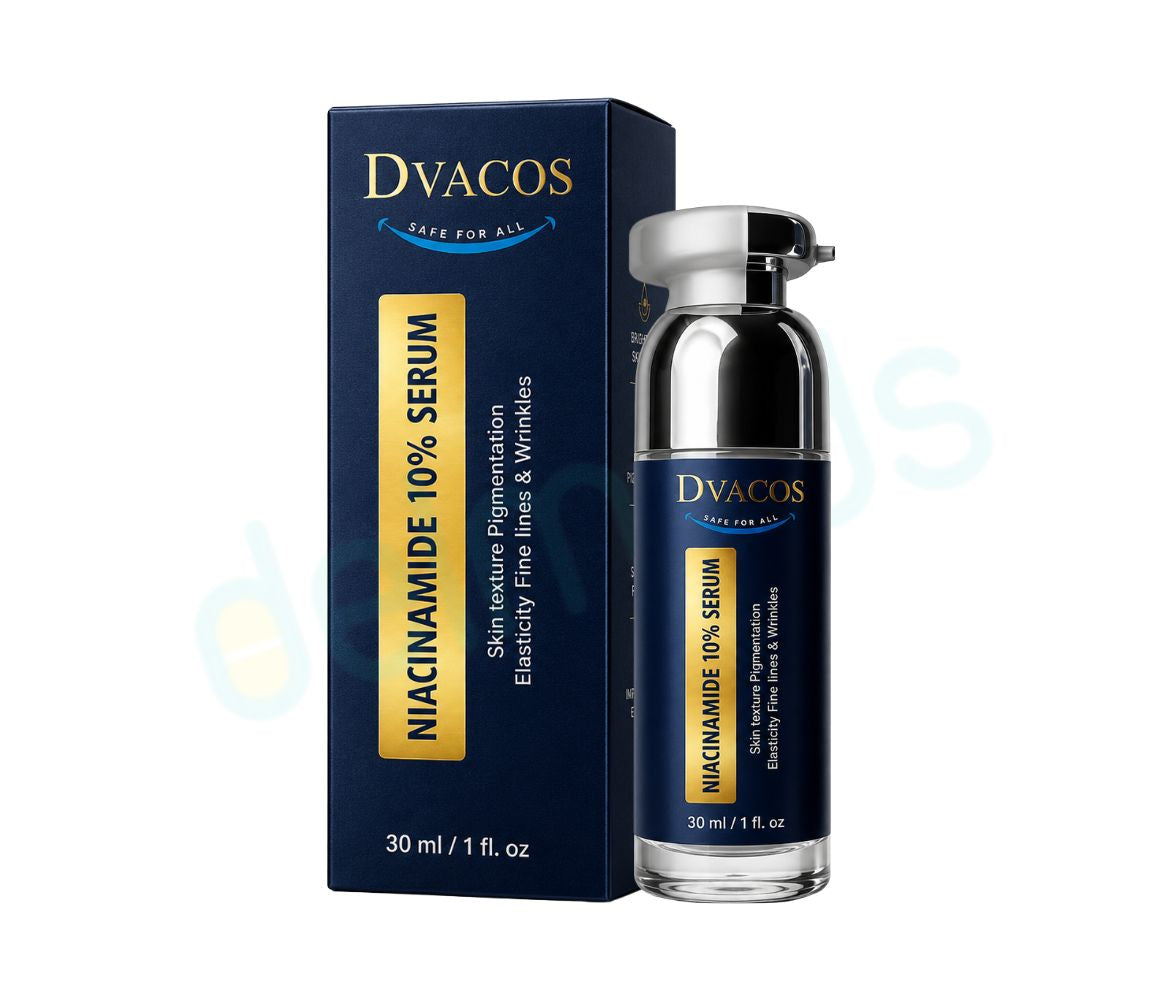
Niacinamide is one of the most useful ingredients for Indian skin after 30 because it supports multiple concerns at once.
It helps with barrier support, oil balance, visible redness, dullness, uneven tone, and skin resilience. It is generally well tolerated by many skin types and can fit into both morning and night routines.
For oily skin, niacinamide can help the skin look less greasy over time. For dry or sensitive skin, it supports barrier comfort. For pigmentation-prone skin, it can be useful as part of a brightening routine.
But more is not always better. Very high percentages may irritate some people. A well-formulated product with a moderate percentage is often enough.
Niacinamide works well with sunscreen, hyaluronic acid, ceramides, and many moisturisers. It is also a good ingredient for people who cannot tolerate strong vitamin C or frequent exfoliation.
After 30, skin may start feeling dehydrated more easily.
This can happen even if your skin is oily. Many Indian users experience oily but dehydrated skin because of heat, humidity, air conditioning, acne products, harsh cleansers, and over-washing.
Hyaluronic acid is a humectant. It helps attract and hold water in the skin. It gives lightweight hydration without a heavy feel, which makes it useful for Indian weather.
Use hyaluronic acid on slightly damp skin. Follow with a moisturiser if needed. If you apply it alone on very dry skin and skip moisturiser, your skin may still feel tight later.
Hyaluronic acid is not an anti-ageing miracle by itself, but hydrated skin looks smoother, plumper, and healthier.
It works well with niacinamide, ceramides, peptides, panthenol, and sunscreen.
Ceramides are essential after 30 because barrier health becomes more important with age and active use.
Ceramides are lipids naturally present in the skin barrier. They help keep moisture in and irritants out. When the barrier is weak, skin may feel tight, dry, itchy, sensitive, red, or reactive.
Many people after 30 start using vitamin C, retinol, acids, peels, and brightening ingredients. These can be useful, but they can also irritate the skin if the barrier is not supported.
Ceramide moisturisers help balance active-based routines. They are especially useful for dry skin, sensitive skin, retinoid users, and people with barrier damage.
For moisturising support, explore moisturisers based on your skin type, texture preference, and barrier needs.
If your skin burns with every serum, you may not need a stronger active. You may need ceramides and barrier repair.
Peptides are short chains of amino acids used in skincare for firmness, elasticity, and healthy ageing support.
They are popular after 30 because they are usually gentler than strong retinoids and acids. Peptides may help support smoother-looking, firmer-looking skin over time, depending on the formula.
Peptides are not instant wrinkle fillers. They work best when used consistently with sunscreen and moisturiser. They are useful for people who want an anti-ageing support ingredient but cannot tolerate retinoids every night.
Peptides can be used in morning or night routines. They pair well with hyaluronic acid, niacinamide, ceramides, and moisturisers.
If your skin is sensitive, peptides may be a good beginner-friendly ageing-support option.
Azelaic acid is a useful ingredient for Indian skin because it supports acne-prone skin, redness-prone skin, post-acne marks, and uneven tone.
After 30, acne may not disappear completely. Adult acne can still happen, especially around the jawline, chin, cheeks, and forehead. The bigger issue for Indian skin is often the mark left behind after acne heals.
Azelaic acid can be useful for post-inflammatory hyperpigmentation and uneven tone, especially when used consistently with sunscreen.
It is often better tolerated than some stronger acids, but irritation can still happen. Start slowly. Do not layer it with too many brightening products, exfoliating acids, or retinoids in the same routine unless your skin is already used to them.
If pigmentation is stubborn, melasma-like, or spreading, consult a dermatologist.
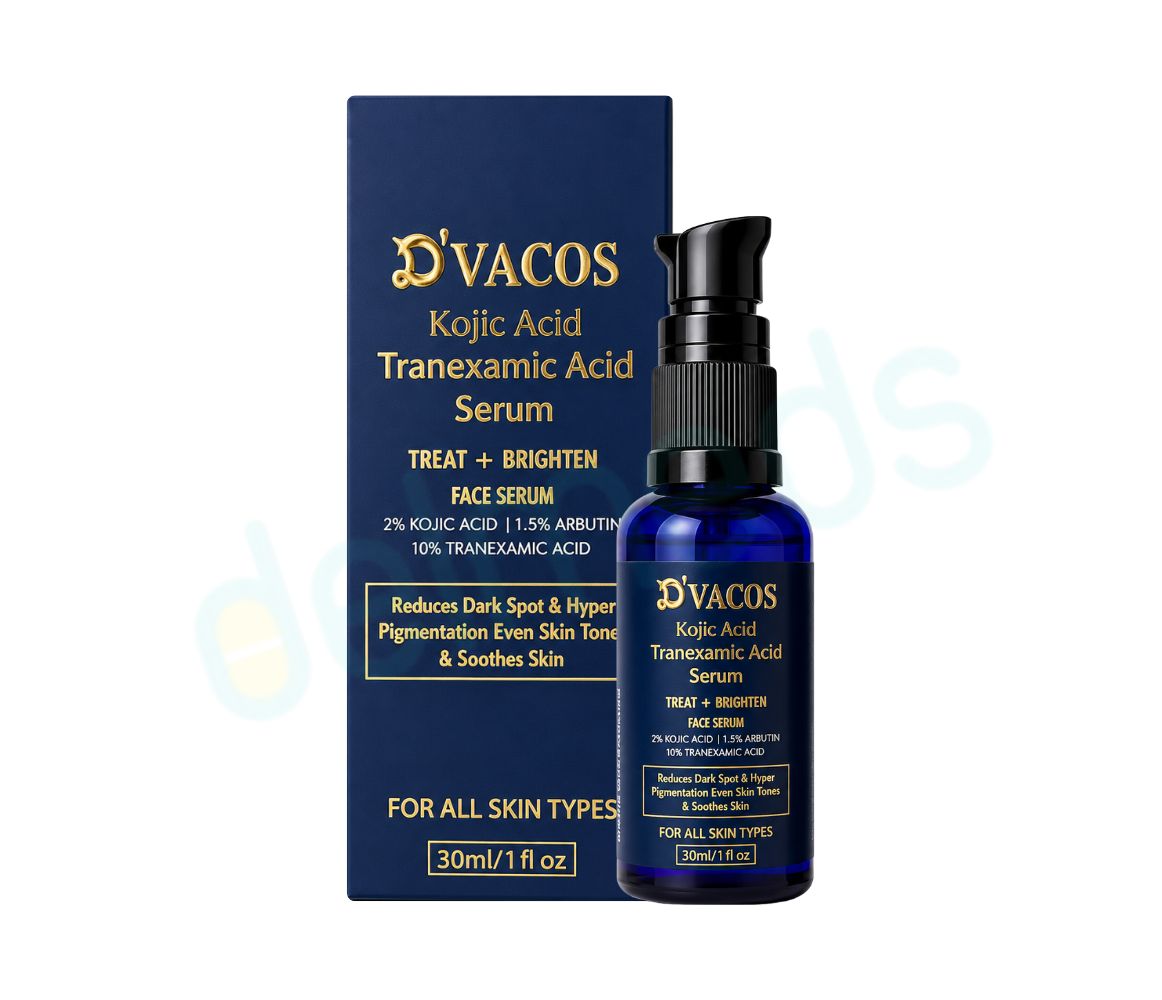
Tranexamic acid is increasingly used in skincare for pigmentation, melasma, dark patches, and uneven tone.
For Indian skin after 30, pigmentation concerns often become more visible due to sun exposure, hormonal changes, acne marks, heat, and inflammation. Tranexamic acid may support pigmentation-focused routines when used properly.
It is not a quick whitening ingredient. It works gradually and should be paired with sunscreen. Without sunscreen, pigmentation-focused ingredients cannot perform well.
Tranexamic acid is often used with niacinamide, kojic acid, vitamin C, azelaic acid, or other brightening ingredients, but layering should be done carefully.
If you have melasma, professional guidance is better because melasma can worsen with heat, UV exposure, visible light, and irritation.
Kojic acid and alpha arbutin are commonly used in brightening routines for dark spots, acne marks, tanning, and uneven skin tone.
They work by supporting a more even-looking complexion. However, they should not be used aggressively, especially on sensitive skin. Overusing brightening ingredients can irritate the skin and worsen pigmentation.
After 30, these ingredients may be useful if your main concern is marks or patchy tone, but they must be paired with sunscreen.
Use them slowly. Avoid combining too many brightening products at once. If your skin burns or peels, stop and repair the barrier.
Pigmentation care is not about attacking the skin. It is about calming, protecting, and treating consistently.
AHAs and BHAs can be useful after 30 for dullness, rough texture, clogged pores, and uneven skin.
Glycolic acid, lactic acid, and mandelic acid are AHAs. Salicylic acid is a BHA. Each works differently.
Glycolic acid can help with texture and dullness but may irritate sensitive skin.
Lactic acid is gentler and also supports hydration.
Mandelic acid is often better tolerated by pigmentation-prone or sensitive skin.
Salicylic acid is useful for oily and acne-prone skin because it works inside oily pores.
The biggest mistake is over-exfoliating. You do not need acids every day. Once or twice a week may be enough for many people.
If you are already using retinoids, be careful with acids. Too many actives can damage the barrier and make pigmentation worse.
Panthenol, also known as provitamin B5, is a soothing and moisturising ingredient.
It is useful after 30 because skin may become more reactive due to actives, pollution, sun exposure, stress, and climate changes. Panthenol helps support comfort and reduces the feeling of dryness or irritation.
It pairs well with ceramides, glycerin, hyaluronic acid, niacinamide, and moisturisers.
If your skin feels irritated after retinol, acids, or vitamin C, panthenol-based products can help create a calmer routine.
Panthenol is not flashy, but it is very useful for barrier-friendly skincare.
Glycerin is one of the most reliable moisturising ingredients.
It helps draw water into the skin and supports softness. It is suitable for many skin types and works especially well in moisturisers, cleansers, and hydrating serums.
After 30, glycerin becomes useful because dry lines and dullness often look worse when the skin lacks hydration.
Many people chase expensive ingredients but ignore simple humectants like glycerin. A good glycerin-based moisturiser can make skin feel more comfortable, especially when using actives.
Glycerin works well in Indian weather because it hydrates without needing a heavy oily feel when used in the right formula.
Centella asiatica is a calming botanical ingredient used in many barrier-support and sensitive-skin formulas.
It may help skin that feels irritated, red, or stressed. It is especially useful in routines that include retinoids, exfoliating acids, acne ingredients, or frequent sun exposure.
For Indian skin, centella makes sense because irritation can lead to pigmentation. Calming the skin is not just about comfort. It can also reduce the chances of post-inflammatory marks after irritation.
Choose simple formulas. Avoid products where centella is combined with heavy fragrance if your skin is sensitive.
For Indian skin after 30, pigmentation is one of the biggest concerns.
Tinted sunscreen can be useful for people with melasma, dark spots, acne marks, and uneven tone because many tinted formulas contain iron oxides. Iron oxides can help protect against visible light, which may contribute to pigmentation in deeper skin tones.
This does not mean everyone must use tinted sunscreen. But if your pigmentation keeps coming back despite sunscreen use, a tinted sunscreen may be worth discussing with a dermatologist.
Tinted sunscreen also reduces white cast, which helps many Indian users apply sunscreen more consistently.
For pigmentation-prone skin, sunscreen is not optional. It is the foundation.
Use a gentle cleanser.
Apply vitamin C or niacinamide if your skin tolerates it.
Use a lightweight moisturiser if needed.
Apply broad-spectrum sunscreen.
Reapply sunscreen when outdoors, sweating, or travelling.
Cleanse sunscreen, sweat, and pollution properly.
Use retinoid on selected nights if tolerated.
Use moisturiser with ceramides, glycerin, or panthenol.
Use pigmentation ingredients like azelaic acid or tranexamic acid on alternate nights if needed.
Do not use too many actives together.
Exfoliate gently once or twice if needed.
Skip exfoliation if using retinoids frequently.
Focus on barrier repair if skin feels irritated.
Change pillow covers regularly.
Avoid harsh scrubs and DIY remedies.
Sunscreen plus vitamin C for daytime antioxidant support.
Retinoid plus ceramide moisturiser for ageing and barrier balance.
Niacinamide plus hyaluronic acid for oil balance and hydration.
Azelaic acid plus sunscreen for acne marks and uneven tone.
Peptides plus moisturiser for gentle ageing support.
Tranexamic acid plus sunscreen for pigmentation-prone skin.
Salicylic acid plus lightweight moisturiser for oily and acne-prone skin.
Strong scrubs.
Daily glycolic acid.
Multiple exfoliating acids together.
Retinoid and acids in the same routine if your skin is not used to them.
High-percentage vitamin C on damaged skin.
Lemon, baking soda, toothpaste, or harsh DIY remedies.
Fragrance-heavy products if your skin is sensitive.
Bleaching products without guidance.
Too many brightening serums at once.
More ingredients do not always mean better results. Sometimes they only mean more irritation.
Skipping sunscreen.
Using actives without moisturiser.
Starting retinol too aggressively.
Using too many brightening products.
Ignoring the neck and hands.
Not removing sunscreen properly at night.
Over-exfoliating dull skin.
Treating pigmentation without sun protection.
Changing products too quickly.
Expecting results in one week.
After 30, consistency matters more than intensity.
Sunscreen is the most important ingredient after 30. Retinoids, vitamin C, niacinamide, ceramides, peptides, hyaluronic acid, and pigmentation-focused ingredients can support specific concerns.
Retinol is not compulsory, but it can be useful for fine lines, texture, acne, and early ageing signs. Start slowly and use sunscreen daily.
Azelaic acid, tranexamic acid, niacinamide, vitamin C, kojic acid, and alpha arbutin may help uneven tone, but sunscreen is essential for results.
Yes, vitamin C can support dullness, antioxidant protection, and uneven tone. Sensitive skin should start with a gentle formula.
If you sit near windows, drive, or step outside during the day, sunscreen is useful because UVA exposure can contribute to ageing and pigmentation.
Sunscreen, niacinamide, vitamin C, retinoids, ceramides, hyaluronic acid, azelaic acid, tranexamic acid, peptides, and panthenol are useful depending on skin type and concern.
Yes, oily skin still needs hydration and barrier support. Choose lightweight gel, lotion, or non-greasy moisturisers.
Many people only need exfoliation once or twice weekly. Over-exfoliation can damage the barrier and worsen pigmentation.
Some people can tolerate them in separate routines, such as vitamin C in the morning and retinol at night. Beginners should introduce them slowly.
Retinoids, peptides, sunscreen, hyaluronic acid, and ceramides can support fine-line and ageing-focused routines.
Avoid skipping sunscreen, over-exfoliating, using harsh scrubs, layering too many actives, and using strong DIY remedies that irritate the skin.
Hydration may improve in days, but pigmentation, fine lines, texture, and ageing concerns usually take weeks to months of consistent care.
After 30, Indian skin needs protection, hydration, barrier repair, and pigmentation support.
Sunscreen is the most important daily ingredient.
Retinoids help with fine lines, texture, acne, and skin renewal.
Vitamin C supports dullness and antioxidant protection.
Niacinamide helps with oil balance, barrier support, and uneven tone.
Hyaluronic acid and glycerin support lightweight hydration.
Ceramides and panthenol help repair and calm the skin barrier.
Azelaic acid and tranexamic acid may help pigmentation and acne marks.
Peptides support healthy ageing and firmness.
Do not overuse acids or active ingredients.
Consistency matters more than a complicated routine.
Skincare after 30 does not need to be complicated. It needs to be smarter.
Indian skin often deals with tanning, pigmentation, acne marks, dullness, sensitivity, and uneven tone. After 30, these concerns can become more visible because skin renewal slows gradually and years of sun exposure start showing.
The best ingredients are not always the newest or strongest ones. They are the ones your skin can use consistently.
Start with sunscreen. Add hydration. Support the barrier. Use retinoids carefully. Choose pigmentation ingredients slowly. Do not over-exfoliate. Do not chase every trend. And do not ignore irritation.
Your skin after 30 does not need aggressive correction every day. It needs protection, patience, and consistency.
Healthy ageing starts with daily habits, not panic skincare
DISCLAIMER : This website provides general information for educational purposes only and should not be considered a substitute for professional medical advice, diagnosis, or treatment. Always seek the guidance of a qualified healthcare professional with any questions you may have regarding a medical condition. Do not disregard professional medical advice or delay seeking it because of information you've read on this website. Your health is important – when in doubt, consult a doctor.