Your shopping cart
😊 Product added to cart successfully
Product removed to cart successfully

Many people believe that if their skin looks darker after sun exposure, pollution, sweat, or travel, a strong bathing soap should be able to clean it off.
So they scrub harder.
They use rough loofahs.
They switch to “brightening” soaps.
They bathe twice a day.
They rub the arms, neck, feet, and face until the skin feels squeaky clean.
But the darkness does not fully go away.
That is when the confusion starts.
Is it dirt?
Is it tanning?
Is my soap not working?
Do I need a stronger cleanser?
The truth is simple. Bathing soap can remove surface dirt, sweat, oil, pollution, and product residue. But it cannot fully remove real tanning because tanning is not sitting on top of your skin like dust. A sun tan happens when your skin produces more melanin after ultraviolet exposure. Melanin is the pigment that gives your skin colour and helps protect it from UV damage.
This means tanning is a biological skin response, not just surface dirt.
A soap may make your skin look temporarily cleaner or brighter by removing buildup, but it cannot wash away melanin instantly. In fact, using harsh soap or scrubbing too much can damage your skin barrier, cause dryness, irritation, and sometimes make pigmentation look worse, especially in Indian skin.
Let’s understand the difference between dirt, tan, dead skin, and pigmentation, and how to care for tanned skin safely.
Tanning is your skin’s natural response to ultraviolet exposure.
When your skin is exposed to sunlight, especially UVA and UVB rays, your body produces more melanin. This extra melanin darkens the skin and helps protect deeper skin layers from UV damage.
This is why skin often becomes darker after outdoor travel, beach holidays, sports, driving, riding a two-wheeler, walking in peak sunlight, or spending long hours near windows.
Indian skin is naturally rich in melanin. This gives some natural protection against sunburn, but it also means the skin may tan or develop uneven pigmentation more easily after sun exposure, heat, irritation, acne, or inflammation.
A tan is not dirt.
It is not poor hygiene.
It is not something you can simply wash off with soap.
Bathing soap or body wash helps clean the surface of the skin.
It removes sweat, oil, dirt, dust, pollution, body odour, and product residue. A good cleanser can make your skin feel fresh and clean. Some body washes may also contain mild exfoliating or brightening-support ingredients that help with dullness and rough texture.
But soap works mainly on the surface.
It cannot reach deep enough to instantly reverse melanin production caused by sun exposure. That is why your skin may feel clean after bathing but still look tanned.
If your skin looks darker only because of sweat, pollution, dead skin buildup, or product residue, cleansing can help improve the appearance. But if the darkness is due to tanning or pigmentation, soap alone will not be enough.
For body dullness and rough texture, a gentle exfoliating body wash like De-TanX Brightening & Exfoliating Gentle Body Wash may support smoother-looking skin, but it should be used gently and not as a harsh scrubbing step.
Before trying to remove darkness, you need to understand what kind of darkening it is.
This sits on the surface of the skin.
It may happen because of sweat, pollution, sunscreen residue, body oil, dust, dead skin cells, or poor cleansing. It may improve after proper bathing or gentle exfoliation.
This happens when sun exposure increases melanin production.
It usually appears on exposed areas such as the face, neck, arms, hands, feet, and V-shaped chest area. It does not come off immediately with soap.
Pigmentation can happen after acne, rashes, friction, burns, shaving, inflammation, hormonal changes, melasma, or repeated sun exposure. It is often deeper and more stubborn than a simple tan.
Dead skin cells can make the skin look dull, rough, and uneven. Gentle exfoliation may help, but harsh scrubbing can damage the barrier.
The same dark-looking skin can have more than one cause. For example, your arms may have sun tan, dead skin buildup, and dryness together. That is why only using soap may not give the result you expect.
Soap can remove what is sitting on your skin.
It can clean sweat after a hot day.
It can remove pollution and dust after travel.
It can wash away body odour.
It can help remove some sunscreen and product residue.
But tanning is not a layer of dirt. It is increased pigment inside the skin. That is why a real tan fades gradually as skin renews itself and as sun exposure is reduced.
If you try to scrub off tanning with soap, you may irritate your skin instead. The skin may become dry, rough, itchy, or inflamed. In Indian skin, irritation can sometimes leave more dark marks.
So the answer is clear.
Bathing soap can help your skin look cleaner, but it cannot fully remove tanning by itself.
This is something many people do not realise.
Some soaps are too harsh for daily use, especially on dry, sensitive, or already tanned skin. If a soap leaves your skin feeling tight, squeaky, itchy, or flaky, it may be stripping away natural oils too aggressively.
When the skin barrier becomes weak, the skin can look dull, rough, and darker. Irritation can also trigger post-inflammatory hyperpigmentation in pigmentation-prone skin.
This is why harsh cleansing can backfire.
You may think you are removing tan, but you may actually be making the skin more irritated and uneven.
A better approach is to use a gentle cleanser or body wash, avoid rough rubbing, and moisturise after bathing.
Clean skin should feel comfortable, not stretched and angry.
Many people use loofahs, body scrubs, exfoliating gloves, coffee scrubs, sugar scrubs, or rough towels to remove tanning.
Gentle exfoliation may help remove dead skin buildup. But aggressive scrubbing cannot remove melanin safely.
Melanin is produced inside the skin. Scrubbing only affects the surface. If you scrub too hard, you can create micro-injuries, redness, burning, and barrier damage. Once the skin becomes inflamed, it may produce even more pigment during healing.
This is why some people notice their neck, elbows, knees, underarms, or inner thighs become darker after repeated scrubbing.
Your skin does not need punishment. It needs protection and repair.
A tan fades gradually because the skin needs time to renew.
Your skin naturally sheds old cells and forms new ones. As sun exposure reduces and your skin repairs itself, the tanned appearance may slowly become lighter. The timeline can vary depending on your skin tone, depth of tanning, sun exposure, skincare routine, and whether you continue going outdoors without protection.
If you keep exposing your skin to sun every day without sunscreen, the tan may not fade properly. It may even become darker.
This is why sunscreen is more important than any soap when it comes to managing tanning.
If your skin keeps getting new UV exposure, it cannot fully recover from the old tan.
If you want to reduce tanning, sunscreen is essential.
Soap may clean the skin after sun exposure, but sunscreen helps reduce UV exposure before the damage happens. A broad-spectrum sunscreen helps protect against UVA and UVB rays. This matters because UV exposure can worsen tanning, pigmentation, dark spots, melasma, and uneven tone.
Use sunscreen on all exposed areas, not just the face. Apply it on the neck, ears, hands, arms, feet, and back of the neck if exposed.
For daily sun protection, explore lightweight sunscreens that suit your skin type and weather. If sunscreen feels sticky, heavy, or greasy, you are more likely to apply too little or skip it, so texture matters.
Remember, sunscreen does not remove an existing tan immediately. It helps prevent further darkening and gives your skin a better chance to return gradually to its natural tone.
Many people apply sunscreen on the face but forget the body.
The arms, hands, neck, feet, and chest are often exposed during commuting, driving, walking, shopping, school, college, work, and outdoor activities. These areas tan quickly because they receive daily UV exposure.
Hands and feet are especially ignored. People apply sunscreen to the face, but the hands stay exposed during driving and two-wheeler rides. Feet tan because of open footwear. The neck tans because sunscreen is not applied properly.
Then people try to remove body tan with soap.
The better approach is prevention.
Apply sunscreen to exposed body areas when going outdoors. Use umbrellas, scarves, full sleeves, sunglasses, caps, and shade whenever possible. Wear breathable protective clothing in strong sunlight.
Soap cannot undo repeated daily sun exposure.
Many soaps are marketed as brightening, whitening, de-tan, fairness, or glow soaps.
Some may contain exfoliating or cleansing ingredients that help the skin look fresher. But no soap can safely erase a real tan overnight.
Be careful with products that promise instant fairness or complete tan removal. Strong soaps can sometimes dry out the skin, disturb the barrier, and worsen dullness.
A good cleanser should support skin hygiene without causing irritation. If your soap burns, stings, makes your skin peel, or leaves it extremely dry, it is not suitable for daily use.
For tan and dullness, think long-term.
Gentle cleansing.
Moisturising.
Sunscreen.
Mild exfoliation if tolerated.
Barrier care.
Patience.
That is safer than chasing instant results.
Tanned skin often looks worse when it is dry.
Dryness makes the skin appear rough, dull, flaky, and uneven. After sun exposure, heat, sweating, and frequent bathing, the skin barrier may feel weak. If you use strong soap without moisturising, the skin may look even darker and lifeless.
Moisturiser does not remove tanning directly, but it helps the skin look healthier and supports barrier comfort. Well-hydrated skin reflects light better and looks smoother.
After bathing, apply moisturiser while the skin is slightly damp. Choose a lightweight lotion in humid weather and a richer cream if your skin is dry.
If the skin is sun-exposed, irritated, or rough, avoid strong actives until the barrier feels calm.
Exfoliation can help remove dead skin cells from the surface. This may improve dullness, roughness, and uneven texture.
But exfoliation should be gentle.
Using strong scrubs daily is not a good idea. Over-exfoliation can cause burning, dryness, sensitivity, and pigmentation. This is especially important for Indian skin because irritation can leave dark marks.
Ingredients like lactic acid, mandelic acid, glycolic acid, salicylic acid, or mild exfoliating body washes may help some people, but frequency matters. Start slowly. Do not exfoliate sunburned, irritated, freshly shaved, or broken skin.
A gentle product may support surface renewal, but it should not be used with the expectation that it will erase deep tanning instantly.
The face is more sensitive than the body.
Using bathing soap on the face is usually not ideal because many body soaps are too harsh for facial skin. The face may become dry, tight, irritated, or acne-prone if cleansed with a harsh soap.
For facial tanning, use a mild face cleanser, sunscreen, and targeted skincare if needed. Do not scrub the face aggressively.
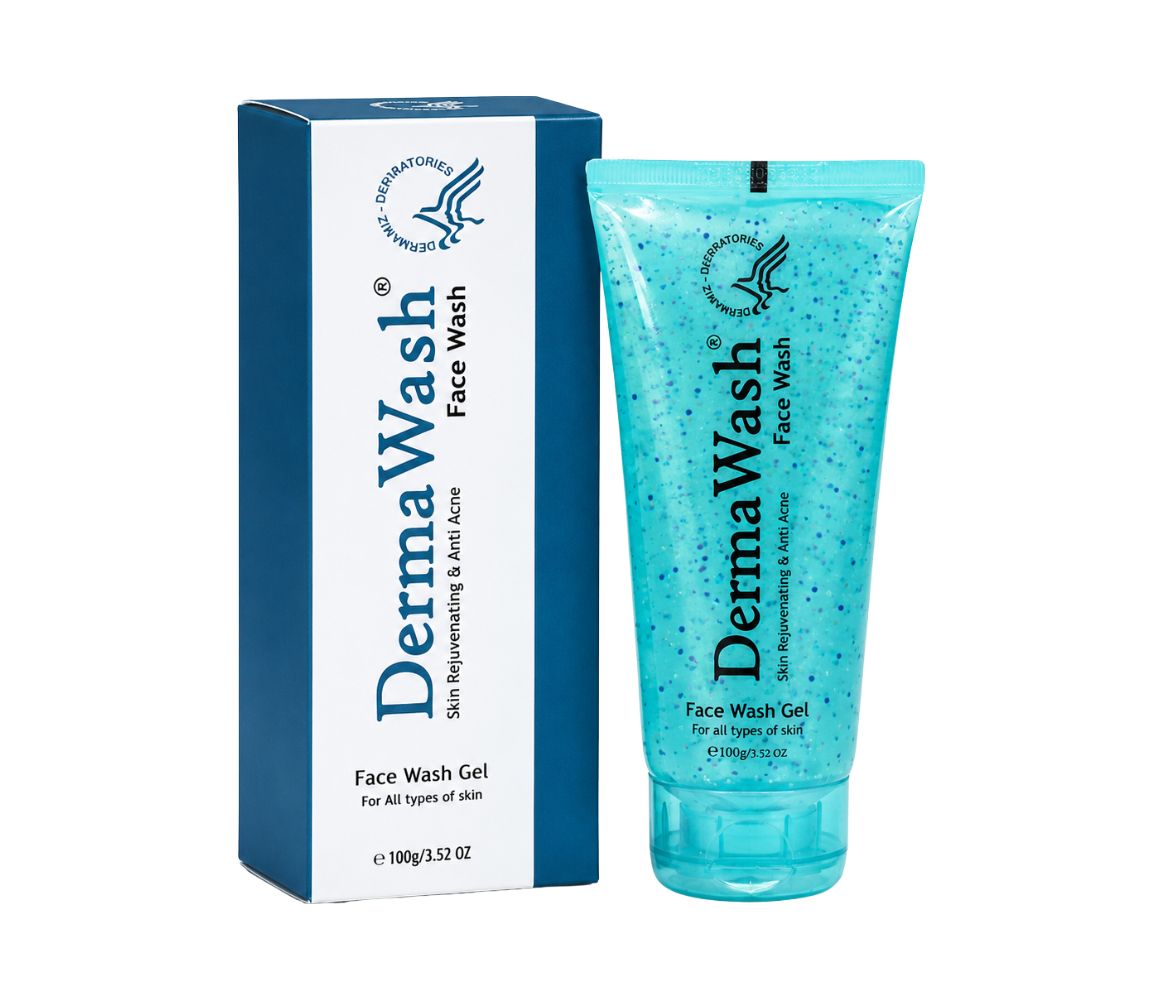
If sweat, sunscreen, and pollution build up easily, a gentle cleanser like DermaWash Face Wash may help cleanse the skin without making it feel harshly stripped.
If the face has pigmentation, melasma, acne marks, or stubborn dark patches, it is better to consult a dermatologist instead of trying strong home remedies.
Many people use lemon, baking soda, toothpaste, bleach, harsh ubtan, or strong DIY mixtures to remove tanning.
These can irritate the skin.
Lemon can sting and make skin sensitive.
Baking soda can disturb skin pH.
Toothpaste can burn.
Harsh scrubs can cause micro-injury.
Bleaching products can irritate if used incorrectly.
When skin becomes irritated, it may darken further as it heals. This is called post-inflammatory hyperpigmentation. Indian skin is more prone to this reaction.
Natural does not always mean safe.
If a home remedy burns, tingles strongly, or makes the skin red, it is not good for your skin.
Not every dark patch is tanning.
Dark underarms, dark neck, dark inner thighs, dark knuckles, or thick velvety patches may be caused by friction, irritation, hormonal changes, insulin resistance, or acanthosis nigricans. These do not go away with bathing soap.
Dark patches after acne, rashes, burns, shaving, or allergies may be post-inflammatory pigmentation.
Brown patches on the face may be melasma.
Dark elbows and knees may be due to friction, dryness, pressure, and thickened skin.
If the darkness is patchy, sudden, thick, velvety, itchy, painful, or spreading, get it checked. Do not keep scrubbing it with soap.
The right care depends on the cause.
Use a gentle cleanser.
Apply a lightweight moisturiser if needed.
Apply broad-spectrum sunscreen on exposed areas.
Cover arms, neck, hands, and feet when outdoors.
Use shade, umbrella, cap, or scarf when possible.
Do not scrub harshly.
Wash with a gentle cleanser or body wash.
Apply moisturiser.
Avoid strong exfoliation on irritated skin.
Drink enough water.
Let the skin calm down.
Cleanse sunscreen, sweat, and pollution properly.
Use a moisturiser.
Use mild exfoliation only if your skin tolerates it.
Avoid lemon, baking soda, toothpaste, and harsh scrubs.
Exfoliate gently once or twice if needed.
Do not overdo active ingredients.
Keep sunscreen consistent.
Avoid repeated sun exposure without protection.
Using harsh bathing soap daily.
Scrubbing the skin aggressively.
Skipping moisturiser.
Skipping sunscreen after exfoliation.
Using lemon or baking soda.
Expecting tan to disappear overnight.
Applying sunscreen only on the face.
Ignoring hands, feet, neck, and ears.
Using bleaching products without guidance.
Confusing pigmentation with tan.
Consistent sunscreen use.
Gentle cleansing.
Moisturising after bathing.
Avoiding repeated sun exposure.
Using protective clothing.
Mild exfoliation if tolerated.
Barrier-friendly skincare.
Dermatologist guidance for stubborn pigmentation.
Patience.
Tan care is not about stripping the skin. It is about protecting the skin long enough for it to recover naturally.
Bathing soap can clean surface dirt, sweat, oil, and residue, but it cannot fully remove real tanning because tanning happens due to increased melanin inside the skin after UV exposure.
Your skin may still look dark because of tanning, pigmentation, dryness, dead skin buildup, or uneven tone. Soap can clean the surface but cannot instantly reverse melanin changes.
No, aggressive scrubbing cannot safely remove melanin. It may irritate the skin and worsen pigmentation, especially in Indian skin.
No, tanning is not dirt. It is your skin’s pigment response to UV exposure. Dirt sits on the surface and can be washed off, but tan fades gradually.
Brightening soap may help the skin look cleaner or fresher if there is surface buildup, but it cannot fully remove a real tan overnight.
Tan fading varies from person to person. It may take days to weeks or longer depending on sun exposure, skin tone, skincare, and how deep the tan is.
Sunscreen, moisturiser, gentle cleansing, mild exfoliation, and sun protection habits are more useful than relying only on soap.
Yes. Sunscreen helps prevent further darkening and gives the skin a better chance to gradually return toward its natural tone.
Harsh soap can dry and irritate the skin. Irritation may make the skin look dull, rough, and darker over time.
A gentle body wash may be more comfortable for dry or sensitive skin than harsh soap. The best option is one that cleans without leaving the skin tight or irritated.
Lemon is not recommended because it can irritate the skin, cause burning, and worsen pigmentation in some people.
See a dermatologist if darkening is patchy, sudden, thick, velvety, itchy, painful, spreading, or not improving despite gentle care and sun protection.
Bathing soap cannot fully remove real tanning.
Soap cleans dirt, sweat, oil, pollution, and residue from the skin surface.
Tanning happens because UV exposure increases melanin inside the skin.
Scrubbing cannot safely remove melanin.
Harsh soaps and rough scrubs can damage the skin barrier.
Indian skin may darken more after irritation.
Sunscreen is more important than soap for preventing tan.
Moisturising helps tanned skin look smoother and healthier.
Gentle exfoliation may help dullness but not instant tan removal.
Persistent or unusual dark patches should be checked by a dermatologist.
Bathing soap has one main job. It cleans the skin.
It can remove sweat, dirt, oil, pollution, body odour, and product residue. It can make the skin feel fresh. A gentle body wash may also help with dullness and rough texture.
But soap cannot fully remove tanning because tanning is not dirt. It is your skin’s melanin response to UV exposure.
If you try to scrub tanning away, you may end up with dryness, irritation, barrier damage, and even more uneven darkening.
The safer approach is simple.
Cleanse gently. Moisturise regularly. Use sunscreen daily. Protect exposed areas. Avoid harsh home remedies. Exfoliate mildly if your skin tolerates it. Give your skin time.
Tan does not disappear because you scrub harder.
It fades better when your skin is protected, calm, and cared for consistently.
DISCLAIMER : This website provides general information for educational purposes only and should not be considered a substitute for professional medical advice, diagnosis, or treatment. Always seek the guidance of a qualified healthcare professional with any questions you may have regarding a medical condition. Do not disregard professional medical advice or delay seeking it because of information you've read on this website. Your health is important – when in doubt, consult a doctor.