Your shopping cart
😊 Product added to cart successfully
Product removed to cart successfully

Monsoon brings relief from summer heat, but it can also bring a sudden change in how your skin behaves.
Your face may feel oily even after washing. Your back may develop small bumps. Your feet may smell more than usual. Your underarms may itch. Skin folds may feel irritated. A rash may appear around the waistline, groin, or inner thighs. Acne may flare up even when your skincare routine has not changed.
This happens because monsoon is not just rainy weather. It is humidity, sweat, damp clothes, wet shoes, pollution, friction, and poor drying. When sweat does not dry properly, it stays on the skin and mixes with oil, dirt, sunscreen, dead skin cells, and bacteria. This can clog pores, disturb the skin barrier, and create a comfortable environment for fungal and bacterial skin concerns.
The biggest mistake people make during monsoon is becoming too harsh with the skin. They wash the face too many times. They scrub rashes. They apply random creams. They skip moisturiser because the weather feels humid. They stop using sunscreen because the sky looks cloudy.
But monsoon skincare should not be aggressive. It should be simple, hygienic, lightweight, breathable, and barrier-friendly.
Let’s understand the most common skin problems during monsoon, why they happen, and how to prevent them safely.
Monsoon weather increases moisture in the environment. Because the air is already humid, sweat does not evaporate easily from the skin. Clothes stay damp for longer. Shoes remain wet from inside. Towels take more time to dry. Skin folds stay warm and moist for hours.
This moisture-heavy environment can trigger several skin concerns.
Oily skin may become greasier.
Acne-prone skin may break out more.
Sensitive skin may react faster.
Feet may become itchy or smelly.
Skin folds may develop rashes.
Body acne may increase due to sweat and friction.
Fungal infections may become more common in damp areas.
The solution is not to wash and scrub more. The smarter approach is to clean gently, dry properly, change wet clothes quickly, wear breathable fabrics, and use lightweight skincare that does not feel heavy in humidity.
Acne is one of the most common skin problems during monsoon, especially for oily and acne-prone skin.
Humidity can make the skin feel greasy. Sweat, sebum, sunscreen, pollution, makeup, and dead skin cells can collect on the skin and block pores. This can lead to blackheads, whiteheads, small bumps, inflamed pimples, and acne marks.
Breakouts may appear on the forehead, cheeks, nose, chin, and jawline. Body acne may also increase on the back, chest, shoulders, and buttocks, especially if you sweat heavily or wear tight clothing.
People who wear helmets, masks, heavy makeup, or thick sunscreen may notice more clogged pores because sweat and friction stay trapped for longer.
Wash your face twice daily with a gentle cleanser. Do not wash five or six times a day because over-cleansing can weaken the skin barrier and make irritation worse.
If your skin feels sweaty during the day, rinse with plain water or cleanse only when needed. Remove sunscreen and makeup properly at night. Change pillow covers regularly. Shower after workouts or heavy sweating.
Choose lightweight, non-greasy, non-comedogenic textures. Avoid thick creams during daytime if your skin clogs easily.
For oily, clogged, or breakout-prone skin, you can explore suitable acne-care products based on your skin type and tolerance. Avoid adding too many active ingredients at once because that can cause dryness, peeling, burning, and barrier damage.
If acne is painful, cystic, spreading, or leaving marks frequently, consult a dermatologist instead of experimenting with multiple products.
Fungal infections become more common during monsoon because fungi grow well in warm, moist, and sweaty areas.
The most affected areas are usually skin folds. This includes the underarms, groin, inner thighs, under-breast area, belly folds, between toes, and sometimes the neck. You may notice itching, redness, scaling, peeling, burning, ring-shaped patches, or repeated irritation.
Wearing wet clothes for long hours, using damp towels, wearing closed wet shoes, and not drying the skin properly can increase the risk.
Change out of wet clothes as soon as possible. Do not sit in damp jeans, socks, innerwear, or gym clothes for hours.
After bathing, dry the underarms, groin, inner thighs, under-breast area, belly folds, and between toes properly. Pat the skin dry instead of rubbing harshly.
Wear breathable clothing. Avoid tight synthetic clothes for long hours. Rotate footwear during monsoon and allow shoes to dry fully before wearing them again. Do not share towels, socks, razors, or footwear.
If you notice itchy, spreading, ring-like, or scaly patches, consult a dermatologist. Do not apply random steroid combination creams because they can make fungal infections worse and more stubborn.
Skincare can support hygiene and comfort, but fungal-looking rashes need proper diagnosis.
Itching and rashes are very common during monsoon.
The skin may itch because of sweat, damp clothes, friction, fungal irritation, deodorant reactions, insect bites, harsh soaps, or repeated scratching. Some rashes look red and bumpy. Some feel burning. Some appear in folds. Some happen after wearing wet clothes. Some appear after using a new perfume, deodorant, or body spray.
People with sensitive skin, eczema-prone skin, diabetes risk, or heavy sweating may experience more discomfort in humid weather.
Keep your skin clean and dry, but do not over-cleanse. Use mild cleansers instead of harsh soaps. Avoid rough scrubbing. Change sweaty clothes quickly. Wear soft, breathable fabrics.
If a deodorant, perfume, or body spray causes burning or itching, stop using it. Do not spray fragrance on irritated, freshly shaved, or broken skin.
Avoid lemon, baking soda, toothpaste, harsh scrubs, and strong DIY remedies. These can irritate the skin and worsen pigmentation.
If a rash is spreading, painful, oozing, ring-shaped, or recurring, see a dermatologist.
Body acne often increases during monsoon because sweat, tight clothes, backpacks, helmets, hair oil, sunscreen, and friction can block pores.
It commonly appears on the back, chest, shoulders, buttocks, and sometimes the neck. Many people mistake body acne for heat boils or allergies. Some scrub the bumps aggressively, but that can make irritation worse.
Shower after sweating. Change out of gym clothes quickly. Keep hair oil away from the back and shoulders. Use clean towels. Avoid tight, sweaty clothing. Do not pick or squeeze bumps.
If body acne is frequent, salicylic acid-based cleansing may help some people. But active ingredients should be introduced carefully. Do not use them on broken, painful, or severely irritated skin.
If bumps are itchy, uniform, and spread quickly, it may not be regular acne. It may need professional diagnosis.
Feet suffer a lot during monsoon.
Wet shoes, damp socks, rainwater, mud, sweat, and closed footwear create the perfect environment for odour, itching, peeling, and fungal irritation between the toes. The skin may look white, soggy, cracked, or scaly.
Many people wear the same damp shoes again the next day. This keeps the feet moist for long hours and increases irritation.
Wash your feet after exposure to rainwater. Dry between the toes properly. Change socks daily, and change them again if they get wet.
Rotate footwear so shoes can dry fully. Use open footwear when safe and practical. Avoid wearing damp shoes repeatedly.
Do not apply thick cream between the toes if the area is already moist or itchy. Keep that area clean and dry.
If itching, scaling, cracks, or smell persists, consult a doctor.
Skin folds are high-risk areas during monsoon.
Underarms, groin, inner thighs, under-breast area, belly folds, neck folds, and behind knees can stay warm and moist for long hours. Sweat and friction can cause redness, itching, burning, odour, darkening, and rashes.
This is more common in people who sweat heavily, wear tight clothing, have higher body weight, travel long distances, or stay in humid environments.
Dry folds properly after bathing. Use a clean towel and pat gently. Wear loose and breathable clothes. Avoid tight synthetic fabrics. Change sweaty clothes as soon as possible.
Do not apply random creams to fold rashes. If the area is itchy, scaly, painful, cracked, or smells unusual, get it checked.
Skin folds need dryness, ventilation, and gentle care. They do not need aggressive scrubbing.
Monsoon skin can feel oily and dehydrated at the same time.
This confuses many people. The face may look shiny but feel tight after washing. Surface oil and skin hydration are not the same thing. Over-cleansing, air conditioning, acne products, and frequent face wiping can weaken the barrier and reduce hydration even in humid weather.
When the barrier is weak, skin may sting, burn, break out more easily, or feel sensitive to products that normally suit you.
Do not skip moisturiser completely. Choose lightweight hydration instead of heavy creams.
Ingredients like hyaluronic acid, glycerin, panthenol, ceramides, and niacinamide can help support hydration and barrier comfort without a greasy feel.
Apply hydration on slightly damp skin and follow with a light moisturiser if needed. If your skin feels sticky immediately after moisturising, use a smaller amount or switch to a lighter texture.
Monsoon can make the skin look dull because sweat, pollution, dead skin cells, and humidity build up on the surface. Breakouts may also leave dark marks, especially in Indian skin.
Skipping sunscreen during cloudy weather can make tanning and pigmentation worse. UV rays do not disappear just because the sky is cloudy.
Cleanse gently every day. Do not sleep with sunscreen, makeup, sweat, or pollution on your skin. Use sunscreen daily, even during cloudy weather.
Introduce exfoliating ingredients slowly if your skin tolerates them. Do not use harsh scrubs, especially if you have acne, pigmentation, or sensitive skin.
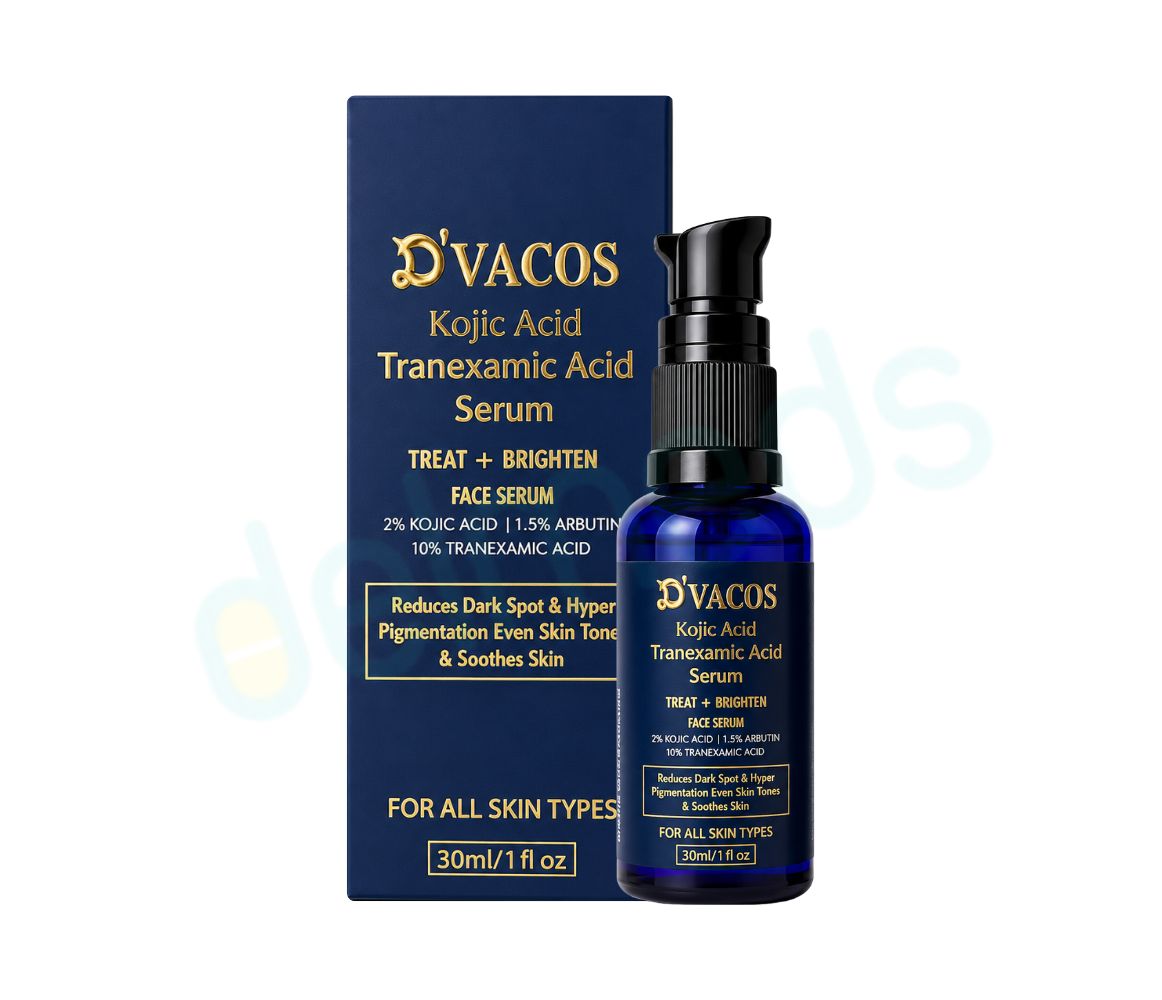
Vitamin C, niacinamide, azelaic acid, kojic acid, tranexamic acid, and gentle exfoliants may help support brighter-looking skin, but avoid using too many actives together.
If your skin is irritated, sensitive, or peeling, repair the barrier first before using brightening ingredients.
Many people stop using sunscreen during monsoon because it feels heavy, sticky, or sweaty.
This is a mistake. UV exposure can still affect the skin during cloudy weather. If you are dealing with tanning, pigmentation, melasma, acne marks, or premature ageing concerns, sunscreen remains important.
The issue is often texture, not sunscreen itself. A very heavy sunscreen may feel uncomfortable in humid weather, so people apply too little or skip it.
Choose lightweight gel, fluid, matte, or dry-touch sunscreen textures. Apply the correct amount and let it settle. If you sweat heavily or travel outdoors, reapply when needed. Remove sunscreen properly at night.
If heavy sunscreens feel uncomfortable in humid weather, explore lightweight sunscreens that suit your skin type and daily routine.
The best sunscreen is the one you can apply properly and use consistently.
During monsoon, body odour increases, so people use more deodorant, perfume, and body spray. Some apply fragrance directly on sweaty, freshly shaved, or irritated skin.
This can trigger burning, itching, redness, peeling, and darkening, especially in underarms and neck. Underarm skin is delicate and easily irritated.
Apply deodorant only on clean and dry skin. Avoid using strong fragrance immediately after shaving or waxing. Stop any product that causes burning or itching. Choose gentler options if your skin is sensitive.
If underarm itching or darkening continues, see a dermatologist. Do not keep layering fragrance over irritation.
People with eczema-prone or sensitive skin may notice flare-ups during monsoon. Sweat, humidity, damp clothes, dust, detergents, fragrance, and over-washing can irritate the barrier.
The skin may feel itchy, dry, red, rough, or cracked. Scratching worsens the problem and may lead to pigmentation or infection.
Use gentle cleansers. Avoid fragrance-heavy products. Moisturise regularly. Wear breathable fabrics. Do not let sweat sit on the skin for too long. Avoid harsh exfoliation and rough towels.
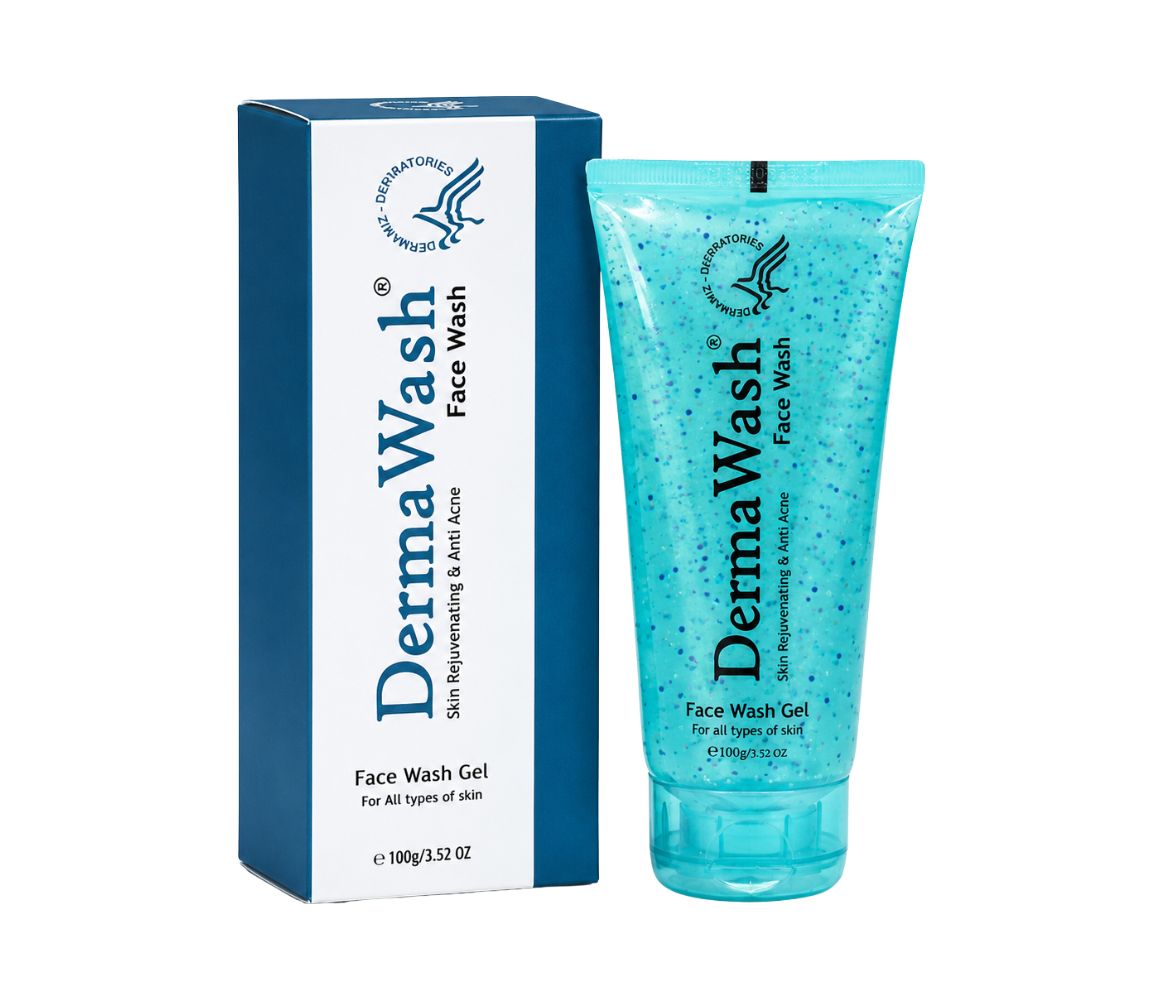
For daily cleansing, a mild option such as DermaWash Face Wash can help remove sweat, sunscreen, and pollution without making the skin feel harshly stripped.
If eczema is persistent or severe, consult a dermatologist.
Sweat, friction, and bacteria can sometimes lead to inflamed hair follicles or small boils. These may appear as painful red bumps, pus-filled bumps, or tender areas on the thighs, buttocks, underarms, or back.
Tight clothing, shaving, sweating, and poor hygiene may worsen the risk.
Shower after sweating. Avoid tight clothing. Do not share towels or razors. Avoid shaving over irritated skin. Keep towels and clothes clean. Do not squeeze painful bumps.
If boils are painful, recurring, spreading, or pus-filled, consult a doctor.
Use a gentle cleanser.
Apply a light serum if needed.
Use a lightweight moisturiser if your skin feels dry or tight.
Apply broad-spectrum sunscreen.
Wear breathable clothes.
Choose dry socks and footwear.
Change wet clothes quickly.
Wash feet if exposed to dirty rainwater.
Dry between toes properly.
Change socks and innerwear.
Avoid staying in damp denim or tight synthetic clothing.
Shower as soon as possible.
Change clothes.
Clean acne-prone areas gently.
Avoid sitting in sweaty gym wear.
Wash towels and workout clothes regularly.
Cleanse your face properly.
Remove sunscreen and makeup.
Shower if you were sweaty or exposed to rainwater.
Use a light moisturiser.
Sleep on a clean pillow cover.
Do not stay in wet clothes for long hours.
Do not wear damp shoes repeatedly.
Do not use the same damp towel for days.
Do not wash your face too many times.
Do not skip moisturiser just because the weather is humid.
Do not skip sunscreen on cloudy days.
Do not apply random creams on itchy rashes.
Do not share towels, socks, razors, or footwear.
Do not scrub acne, rashes, or dark areas aggressively.
Do not sleep with sweat, sunscreen, and makeup on your skin.
See a dermatologist if you notice persistent itching, ring-shaped patches, painful bumps, pus-filled boils, spreading rashes, severe acne, recurrent fungal infections, or irritation that does not improve with basic care.
You should also seek professional advice if a rash appears in the groin, underarms, between toes, under breasts, or other skin folds and keeps returning.
Self-medicating with random creams can delay proper care. Some steroid combination creams may make fungal infections worse if used incorrectly.
Skin problems increase during monsoon because humidity, sweat, damp clothes, wet shoes, friction, and poor drying create conditions that can trigger acne, fungal infections, rashes, itching, and irritation.
The most common monsoon skin problems include acne, fungal infections, athlete’s foot, body acne, itching, rashes, skin fold irritation, foot odour, dullness, and sunscreen-related clogged pores.
Cleanse gently twice daily, remove sunscreen and makeup at night, avoid heavy creams, change sweaty clothes, keep pillow covers clean, and use pore-care ingredients carefully if your skin tolerates them.
Fungal infections become more common because fungi grow well in warm, moist, and sweaty areas. Skin folds, feet, underarms, and groin are especially prone.
Yes, sunscreen is needed during monsoon because UV rays can still affect the skin on cloudy days and worsen tanning, pigmentation, acne marks, and photoageing.
Yes, moisturiser is still important. Choose a lightweight gel, lotion, or non-greasy moisturiser instead of a heavy cream if your skin feels oily.
Keep feet clean and dry, change wet socks, dry between toes, rotate footwear, avoid wearing damp shoes, and consult a doctor if itching or peeling persists.
Yes, damp clothes can trap moisture and friction against the skin, increasing the risk of itching, rashes, body acne, fungal irritation, and skin fold discomfort.
Avoid over-washing, harsh scrubs, heavy creams, skipping sunscreen, staying in wet clothes, wearing damp shoes, using old towels, and applying random creams on rashes.
See a dermatologist if you have persistent itching, ring-shaped patches, painful bumps, pus, spreading rashes, severe acne, recurrent fungal infections, or irritation that does not improve with basic care.
Monsoon skin problems are usually triggered by humidity, sweat, dampness, friction, and poor drying.
Common concerns include acne, fungal infections, rashes, body acne, foot odour, dullness, and skin fold irritation.
Keep skin clean, dry, and protected.
Change wet clothes quickly.
Dry feet and skin folds properly.
Use gentle cleansers and lightweight moisturisers.
Do not skip sunscreen on cloudy days.
Do not self-treat fungal rashes with random creams.
Use products based on concern and skin tolerance, but consult a dermatologist for infections, severe acne, or persistent rashes.
Monsoon skincare is not about using more products. It is about using the right habits and the right textures.
Your skin is dealing with humidity, sweat, damp clothes, wet shoes, pollution, and friction. If you ignore these triggers, acne, rashes, fungal irritation, body odour, dullness, and skin barrier damage can become common.
The prevention plan is simple.
Cleanse gently. Dry properly. Change wet clothes. Keep feet dry. Wear breathable fabrics. Use lightweight moisturiser. Apply sunscreen even on cloudy days. Avoid harsh scrubs and random creams. Get medical advice when rashes are itchy, spreading, painful, or recurring.
Healthy monsoon skin is not about being product-heavy. It is about being consistent, hygienic, and skin-barrier friendly.
DISCLAIMER : This website provides general information for educational purposes only and should not be considered a substitute for professional medical advice, diagnosis, or treatment. Always seek the guidance of a qualified healthcare professional with any questions you may have regarding a medical condition. Do not disregard professional medical advice or delay seeking it because of information you've read on this website. Your health is important – when in doubt, consult a doctor.