Your shopping cart
😊 Product added to cart successfully
Product removed to cart successfully

Dark neck is one of those concerns people often notice quietly.
Maybe you see it while tying your hair. Maybe someone casually says your neck looks darker. Maybe you try scrubbing it harder in the shower and nothing changes. That is usually when the confusion starts.
Is it dirt?
Is it tanning?
Is it pigmentation?
Is it because of weight gain?
Or is the skin trying to say something about your health?
For many Indians, dark neck is common because our skin is more prone to pigmentation after friction, sun exposure, irritation, hormonal changes, and inflammation. But there is one important point many people miss. A dark, thick, velvety neck can sometimes be linked with a condition called acanthosis nigricans, which may be connected to insulin resistance, diabetes risk, obesity, PCOS, or other metabolic changes.
This does not mean every dark neck is dangerous. Not at all. But it does mean you should not blindly scrub it, bleach it, or use random home remedies.
The safer approach is to understand the cause first. Then choose care accordingly.
This blog explains the common causes of dark neck in Indians and safe ways to care for it without damaging your skin barrier.
Dark neck simply means the skin around the neck looks darker than the surrounding skin. It may appear brown, greyish, blackish, patchy, thick, velvety, rough, or uneven.
Sometimes it is mostly at the back of the neck. Sometimes it appears on the sides. Sometimes it also shows up in other body folds like underarms, inner thighs, elbows, knees, knuckles, or groin.
The cause can vary. Some people have tanning. Some have frictional pigmentation. Some have post inflammatory hyperpigmentation. Some have acanthosis nigricans. Some have a mix of causes.
This is why the same cream does not work for everyone. A person with simple tanning needs different care than someone with acanthosis nigricans linked to insulin resistance.
So before trying to lighten the neck, ask what caused it.
One of the most important causes of dark neck is acanthosis nigricans. It often appears as dark, thick, velvety skin in body folds, especially the back of the neck, underarms, and groin.
Many people mistake it for dirt. They scrub harder. They use harsh soaps. Some even use lemon, baking soda, bleach creams, or strong exfoliants. But acanthosis nigricans does not come off with scrubbing because it is not dirt sitting on the skin.
It may be linked with insulin resistance, obesity, diabetes risk, hormonal concerns, PCOS, certain medicines, or rarely other internal conditions. In many Indians, it can be an early visible clue that the body may not be processing insulin properly.
If your neck skin looks thick, dark, and velvety, especially along with weight gain, irregular periods, sugar cravings, fatigue, family history of diabetes, or dark underarms, it is better to consult a doctor or dermatologist. Treating only the colour without checking the underlying cause may not solve the problem.
The neck is constantly exposed to friction. Tight collars, shirt seams, dupattas, chains, gym towels, helmet straps, and even repeated rubbing while bathing can irritate the skin.
Indian weather makes this worse. Heat and sweat increase friction. Sweat mixed with dust and fabric rubbing can create repeated low grade irritation. Over time, this irritation may trigger extra melanin production, especially in pigmentation prone Indian skin.
This type of darkening often feels rough or uneven rather than velvety. It may be worse in areas where clothes or jewellery rub the skin.
The first step is not whitening cream. It is reducing friction. Choose softer collars. Avoid tight chains if they irritate the skin. Keep the area dry but do not over wash. Use a gentle cleanser and moisturiser. If you exercise, rinse sweat gently and change out of sweaty clothes quickly.
If friction continues daily, pigmentation will keep coming back.
Most people apply sunscreen to the face and forget the neck. Then after a few months, the face looks brighter and the neck looks darker.
The neck gets daily sun exposure while commuting, walking outdoors, riding a two wheeler, sitting near windows, or wearing open neck clothing. In India, ultraviolet exposure can be strong throughout much of the year. Even short daily exposure adds up.
The back of the neck is especially ignored. People remember cheeks and forehead, but forget the nape of the neck.
If the darkening is mostly on exposed areas and not thick or velvety, tanning may be a major factor. The safest care is daily broad spectrum sunscreen on the front, sides, and back of the neck. Use enough product. Reapply if outdoors or sweating.
Also use physical protection. A scarf, umbrella, cap, or high collar can help, especially during peak sunlight hours.
Many people think dark neck means the skin is dirty. So they scrub it hard with loofahs, rough towels, coffee scrubs, sugar scrubs, ubtan, or exfoliating gloves.
This can backfire.
Indian skin often responds to irritation by making more pigment. When you scrub aggressively, you create micro irritation. The skin may become inflamed, dry, rough, and darker. If the barrier gets damaged, even mild products may start burning.
A dark neck needs gentle care, not punishment.
Use a mild cleanser. Avoid harsh rubbing. Pat dry. Apply moisturiser. If exfoliation is needed, use it slowly and carefully. Chemical exfoliants like lactic acid, glycolic acid, mandelic acid, or urea may help in some cases, but they should be chosen based on skin tolerance. Overuse can worsen pigmentation.
If the neck burns, stings, or peels, stop active products and focus on repair first.
A dark neck can sometimes be more than a cosmetic issue. When the skin becomes dark, thick, and velvety, especially around folds, it may be linked with insulin resistance.
Insulin resistance means the body’s cells do not respond to insulin as well as they should. The body then produces more insulin. Higher insulin levels can stimulate skin cell growth and pigment related changes in certain areas.
This is why dark neck is often discussed with weight gain, prediabetes, type 2 diabetes risk, PCOS, and metabolic syndrome.
This does not mean everyone with a dark neck has diabetes. But it does mean you should not ignore the sign if it looks velvety or keeps worsening.
A doctor may suggest checking blood sugar, HbA1c, insulin resistance markers, lipid profile, weight, waist measurement, or hormonal health depending on your symptoms. Skincare can improve texture and colour, but lifestyle and medical care may be needed if the root cause is metabolic.
Many Indian women with PCOS notice darkening around the neck, underarms, inner thighs, or knuckles. This is often connected with insulin resistance, but hormonal changes can also contribute.
PCOS may come with irregular periods, acne, facial hair growth, weight changes, hair thinning, and difficulty losing weight. Dark neck may be one of the visible signs that makes someone finally look deeper into their health.
The problem is that many women try only cosmetic solutions for months. They use scrubs, brightening creams, and home remedies, but the darkness keeps returning.
If dark neck appears with irregular periods, adult acne, increased facial hair, scalp hair thinning, or sudden weight changes, it is sensible to consult a gynaecologist, endocrinologist, or dermatologist.
Safe skin care can support the appearance of the neck, but hormonal and metabolic factors need proper attention.
Post inflammatory hyperpigmentation means the skin becomes darker after inflammation or injury. In Indian skin, this is very common.
The neck can darken after rashes, allergic reactions, perfume irritation, hair dye reactions, eczema, fungal infections, acne like bumps, shaving irritation, or harsh product use. Once inflammation settles, brown or greyish pigmentation may remain.
This is why it is important to treat irritation early and gently. If there is itching, scaling, rash, or burning, do not immediately start brightening products. First calm the skin and identify the cause.
For example, a person may apply perfume directly on the neck every day. The area becomes mildly irritated. Then pigmentation develops. Unless perfume irritation stops, the darkening may continue.
In this case, fragrance avoidance, barrier repair, sunscreen, and dermatologist guided pigmentation care may work better than random exfoliation.
Sometimes neck darkening can be worsened by sweat, oil, dust, product residue, hair products, and poor cleansing. This is especially common around the back of the neck where shampoo, conditioner, hair oil, sweat, and sunscreen residue may collect.
But it is important not to assume every dark neck is poor hygiene. That belief creates shame and makes people scrub too hard.
A balanced approach works better. Clean the neck daily with a gentle cleanser. Rinse shampoo and conditioner properly. Avoid heavy hair oils running onto the neck for long periods. Change sweaty clothes. Keep pillow covers clean.
If the darkness improves with better cleansing and less residue, good. If it does not improve, look deeper. It may be pigmentation, friction, acanthosis nigricans, or another skin condition.
The neck skin is often more sensitive than people realise. Lemon juice, baking soda, toothpaste, strong bleaching mixtures, harsh scrubs, and undiluted essential oils can irritate or burn the skin.
These remedies may look popular online, but they can damage the barrier and worsen pigmentation. Lemon juice can sting and make the skin more reactive. Baking soda can disturb skin pH. Harsh scrubs can cause micro tears. Bleaching without guidance can irritate the skin and create uneven colour.
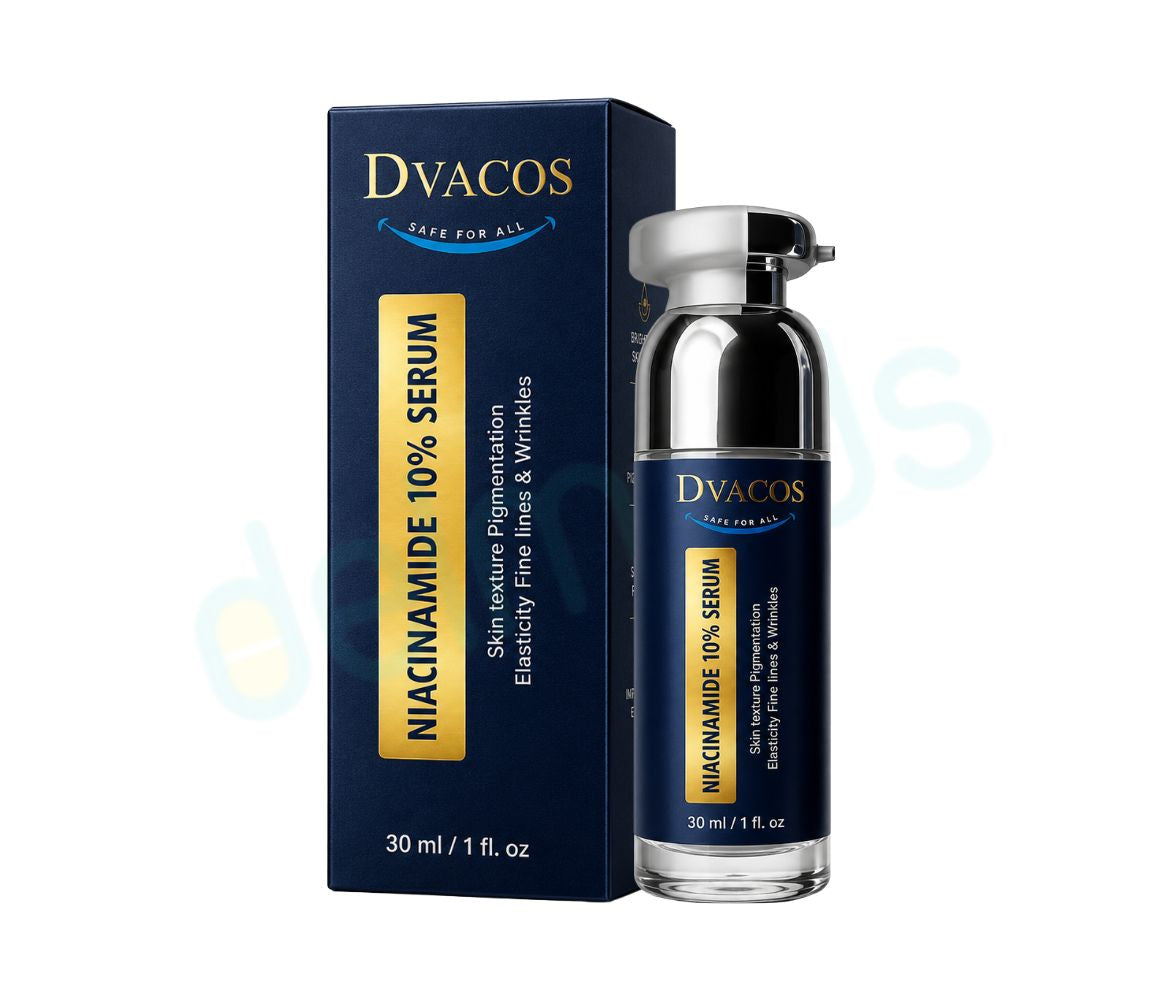
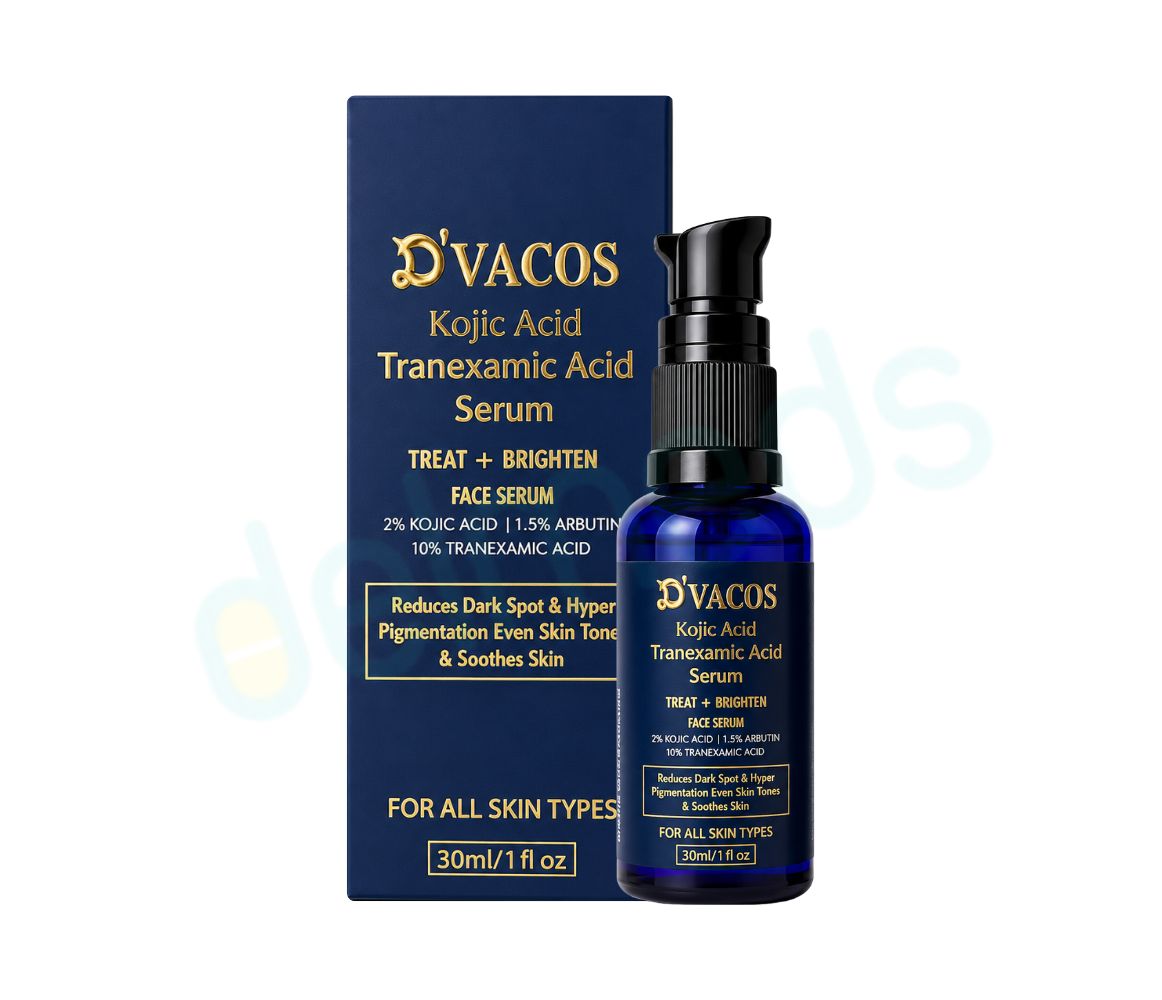
If you want safer care, think in terms of barrier, sunscreen, and gentle brightening support. Ingredients such as niacinamide, azelaic acid, lactic acid, urea, mandelic acid, kojic acid, or retinoids may be used in certain cases, but strength and frequency matter.
For the neck, slow and safe is better than aggressive and fast.
The most common mistake is treating every dark neck the same way.
If the cause is tanning, sunscreen and sun protection matter most.
If the cause is friction, reduce rubbing and sweating irritation.
If the cause is acanthosis nigricans, check metabolic health.
If the cause is a rash or allergy, treat inflammation first.
If the cause is post inflammatory pigmentation, barrier repair and gentle brightening may help.
If the cause is product residue, improve cleansing habits.
This is why a dermatologist evaluation can save time. Instead of guessing for six months, you can understand whether your dark neck is cosmetic pigmentation, acanthosis nigricans, eczema, fungal infection, contact dermatitis, or something else.
A cream may lighten the surface slightly, but if the trigger continues, the darkness returns.
Wash the neck daily with a mild cleanser. Avoid harsh soaps that leave the skin dry or squeaky. Do not scrub with force. If you use sunscreen, hair oil, or conditioner, make sure the neck is rinsed well.
Moisturising reduces dryness and irritation. A healthy barrier is less likely to become inflamed and pigmented. Choose a light moisturiser if your neck is sweaty or acne prone. Choose a richer one if the area feels dry or rough.
Apply sunscreen to the front, sides, and back of the neck every morning. This is especially important if your neck is exposed outdoors. Sunscreen helps reduce tanning and prevents existing pigmentation from getting darker.
Avoid tight collars, rough jewellery, heavy chains, and repeated towel rubbing. If you sweat a lot, keep the area dry with gentle care. Change sweaty clothes after workouts.
Do not use lemon, baking soda, harsh scrubs, toothpaste, or random bleaching mixes. These may irritate the skin and worsen darkening.
If the neck is thick, velvety, and dark, or if darkening also appears in underarms and folds, consider medical evaluation. Blood sugar, insulin resistance, PCOS, thyroid, weight, and metabolic health may need attention.
Gentle actives can help some cases, but the neck can be sensitive. Start slowly. Do not combine too many exfoliants. Stop if burning or peeling occurs.
See a dermatologist if the dark neck is thick and velvety, spreading, itchy, scaly, painful, sudden, or not improving despite gentle care. Also seek advice if you have irregular periods, unexplained weight gain, increased facial hair, family history of diabetes, dark underarms, or skin tags.
A dermatologist can identify whether it is acanthosis nigricans, pigmentation, fungal infection, eczema, contact dermatitis, or another concern.
This matters because safe care depends on the correct diagnosis.
Your neck may be darker due to sun exposure, friction, pigmentation, product residue, irritation, or acanthosis nigricans. If the skin is thick and velvety, it may need medical evaluation.
Not always. Dark neck is often mistaken for dirt, but it can be caused by pigmentation, friction, tanning, insulin resistance, PCOS, or skin conditions. Harsh scrubbing can make it worse.
Acanthosis nigricans is a skin condition where body folds become dark, thick, and velvety. It often appears on the neck, underarms, and groin.
Sometimes. A dark, thick, velvety neck can be linked with insulin resistance, prediabetes, or diabetes risk. It does not confirm diabetes, but it is worth checking if other symptoms or risk factors are present.
Yes, PCOS can be associated with insulin resistance, which may contribute to dark, velvety patches on the neck and other skin folds.
No, aggressive scrubbing does not remove most types of dark neck. It can irritate the skin and worsen pigmentation, especially in Indian skin.
Yes, sunscreen can help prevent tanning and stop pigmentation from becoming darker. Apply it to the front, sides, and back of the neck.
Depending on the cause, ingredients like niacinamide, azelaic acid, lactic acid, mandelic acid, urea, kojic acid, or retinoids may help. Use them carefully and preferably with professional guidance.
No, lemon can irritate the skin and worsen pigmentation. It is better to avoid harsh home remedies on the neck.
A dark, rough, or velvety back of the neck may be caused by friction, tanning, product buildup, or acanthosis nigricans. If it feels thick and velvety, consider medical evaluation.
If dark neck is related to insulin resistance or obesity, weight management and improved metabolic health may help over time. Skin changes may still need dermatology care.
Get checked if the darkening is sudden, spreading, thick, velvety, itchy, painful, or appears with dark underarms, skin tags, irregular periods, weight gain, or family history of diabetes.
Dark neck in Indians can happen due to tanning, friction, irritation, product residue, post inflammatory pigmentation, PCOS, insulin resistance, or acanthosis nigricans.
A dark, thick, velvety neck is not dirt and should not be scrubbed aggressively.
Acanthosis nigricans may be linked with insulin resistance, diabetes risk, obesity, and hormonal conditions.
Safe care includes gentle cleansing, moisturising, sunscreen, reducing friction, avoiding harsh home remedies, and checking health markers when needed.
Do not use lemon, baking soda, toothpaste, harsh scrubs, or random bleaching products.
If the neck darkening is persistent, velvety, spreading, or linked with other health signs, consult a dermatologist.
Dark neck is common in Indians, but it should not be dismissed as dirt or poor hygiene.
Sometimes it is simple tanning. Sometimes it is friction. Sometimes it is pigmentation after irritation. And sometimes, especially when the skin looks thick and velvety, it may be a visible clue of insulin resistance or hormonal imbalance.
The best thing you can do is stop scrubbing and start observing.
Look at the texture. Notice whether it is spreading. Check if underarms or skin folds are also dark. Think about friction, sun exposure, weight changes, PCOS symptoms, and family history of diabetes.
Then choose safe care.
Gentle cleansing, sunscreen, moisturising, friction control, and dermatologist guided treatment can help. But if the root cause is internal, skincare alone will not be enough.
Your neck skin is not dirty. It is communicating. Listen to it carefully, and you will make better decisions for both your skin and your overall health.
DISCLAIMER : This website provides general information for educational purposes only and should not be considered a substitute for professional medical advice, diagnosis, or treatment. Always seek the guidance of a qualified healthcare professional with any questions you may have regarding a medical condition. Do not disregard professional medical advice or delay seeking it because of information you've read on this website. Your health is important – when in doubt, consult a doctor.