Your shopping cart
😊 Product added to cart successfully
Product removed to cart successfully

In the vast and fast-moving world of skincare, few ingredients have achieved the legendary status of hyaluronic acid. It is celebrated by dermatologists, praised by beauty influencers, and formulated into almost every hydrating product on the market. For many, this molecule is the ultimate gold standard for achieving plump, dewy skin. However, despite its widespread popularity, many people use this powerful humectant incorrectly, which can lead to dehydrated skin and a compromised epidermal barrier.
To understand this ingredient, we must look past the marketing buzzwords. Hyaluronic acid is not a miracle eraser for all skin concerns, but rather a highly specific biological molecule that requires precise conditions to function. If you have ever applied a expensive hydrating serum only to find your skin feeling tighter, drier, and more irritated than before, you are not alone. This guide will unpack the complex science, practical application techniques, and clinical truths behind this popular humectant so you can achieve genuine, lasting skin hydration.
At its core, hyaluronic acid is a naturally occurring glycosaminoglycan, which is a long chain of sugar molecules found throughout our body's connective tissues. Approximately half of the body's total hyaluronic acid is located within the skin, where it binds to water molecules to keep tissues lubricated and cushioned. This molecule is famously known for its ability to hold up to one thousand times its own weight in water.
In healthy, youthful skin, this compound maintains structure and volume. However, as we age, our natural production of this vital molecule drops significantly. This depletion, combined with environmental stressors, results in a loss of elasticity, the formation of fine lines, and chronic dryness. To combat this loss, modern skincare has integrated synthetic and bio-fermented versions of the molecule into daily routines.
However, the size of the molecule dictates how it behaves on your face. Standard hyaluronic acid has a high molecular weight. These larger molecules are too big to penetrate the outer layer of the skin, known as the stratum corneum. Instead, they sit on top of the skin surface, forming a breathable film that draws moisture from the surrounding atmosphere to keep the surface hydrated. On the other hand, low molecular weight formulations contain smaller fragments that can travel deeper into the epidermis, offering deep structural hydration. Relying solely on one molecular weight can leave your skin either superficially wet or internally dry, which is why understanding formulation science is critical.
Many people make the critical mistake of applying hyaluronic acid directly onto dry skin. This can cause the ingredient to behave like a dry sponge. When a humectant is placed on a dry face in a low-humidity environment, it cannot pull moisture from the air. Instead, it draws water upward from the deeper layers of your dermis, evaporating it into the dry air. This process increases trans-epidermal water loss and leaves your skin more dehydrated than it was initially.
To prevent this, you must always apply your hydrating serums onto a damp skin surface. After cleansing, do not dry your face completely with a towel. Leave a layer of moisture on your skin, or mist your face with pure thermal water before applying your serum. This gives the humectant an immediate source of water to bind with, ensuring that it plumps the skin surface without depleting your internal hydration reserves.
Furthermore, you must always lock in your humectants. Because hyaluronic acid is highly water-soluble, it will evaporate quickly if left uncovered. To prevent this, apply rich, lipid-based moisturisers immediately after your serum has settled. These creams form an occlusive seal that traps the bound water inside your skin barrier, ensuring long-lasting plumpness and comfort throughout the day.
Applying a humectant to dry skin is a recipe for chronic dehydration. When the surrounding air is dry, the molecule will pull moisture out of your deeper skin tissues. To combat this, always prep your skin with a gentle mist or leave your face slightly wet after cleansing. For an extra boost of hydration, you can track your skin hydration levels using digital skin moisture analysers, which are easily accessible on popular retail platforms. Ensuring your skin is wet before application allows the humectant to lock in surface moisture, preventing the tight, uncomfortable feeling that often occurs when serums are applied incorrectly.
Hyaluronic acid is excellent at attracting water, but it is terrible at keeping it there. Without an occlusive layer, the bound water will evaporate into thin air within minutes. To prevent this trans-epidermal water loss, you must follow up with high-quality moisturisers containing ceramide, squalane, or fatty acids. To track your daily skincare routines and ensure you never miss this step, you can use habit tracking apps like Habitica or Streaks to build a consistent, multi-step regimen that keeps your protective skin barrier strong.
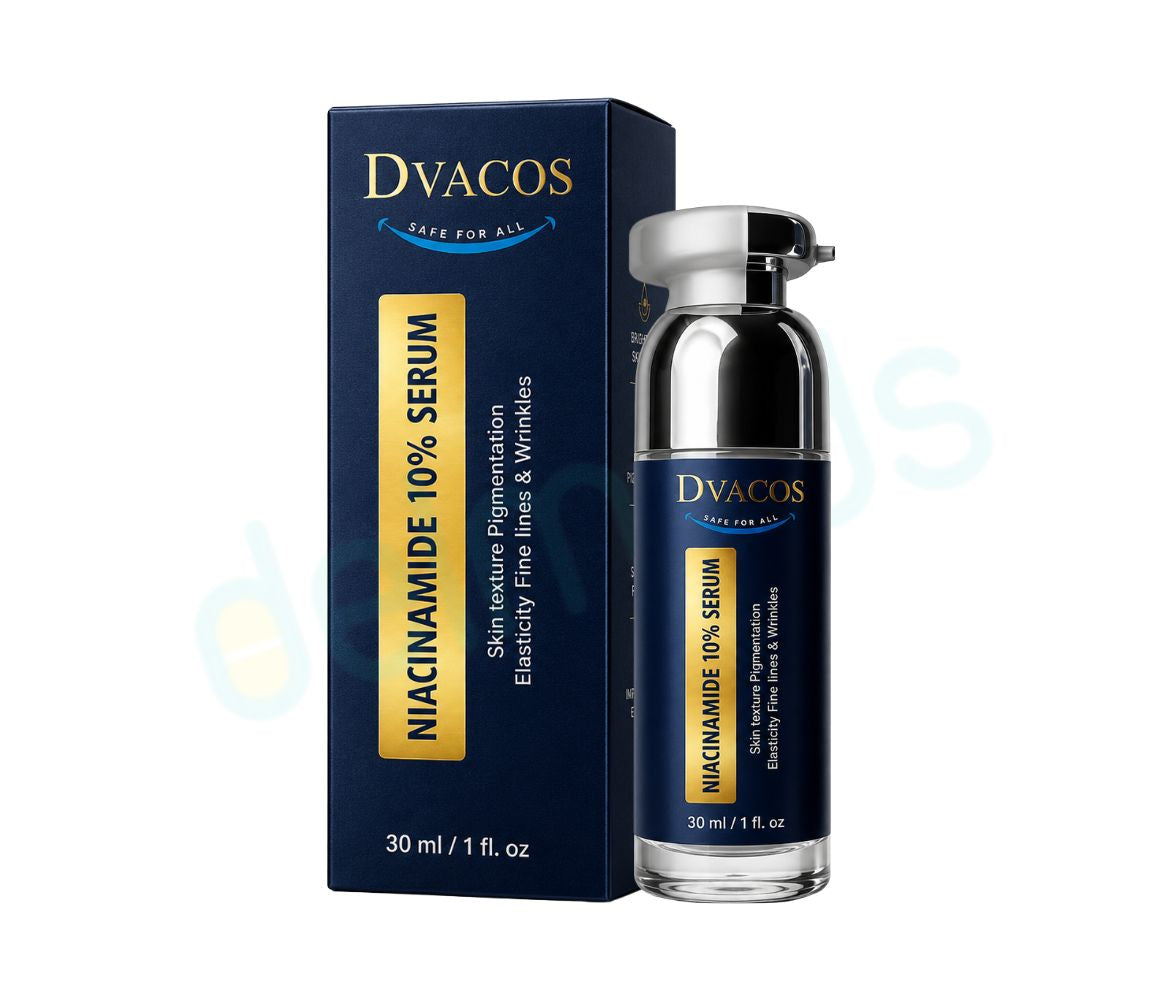
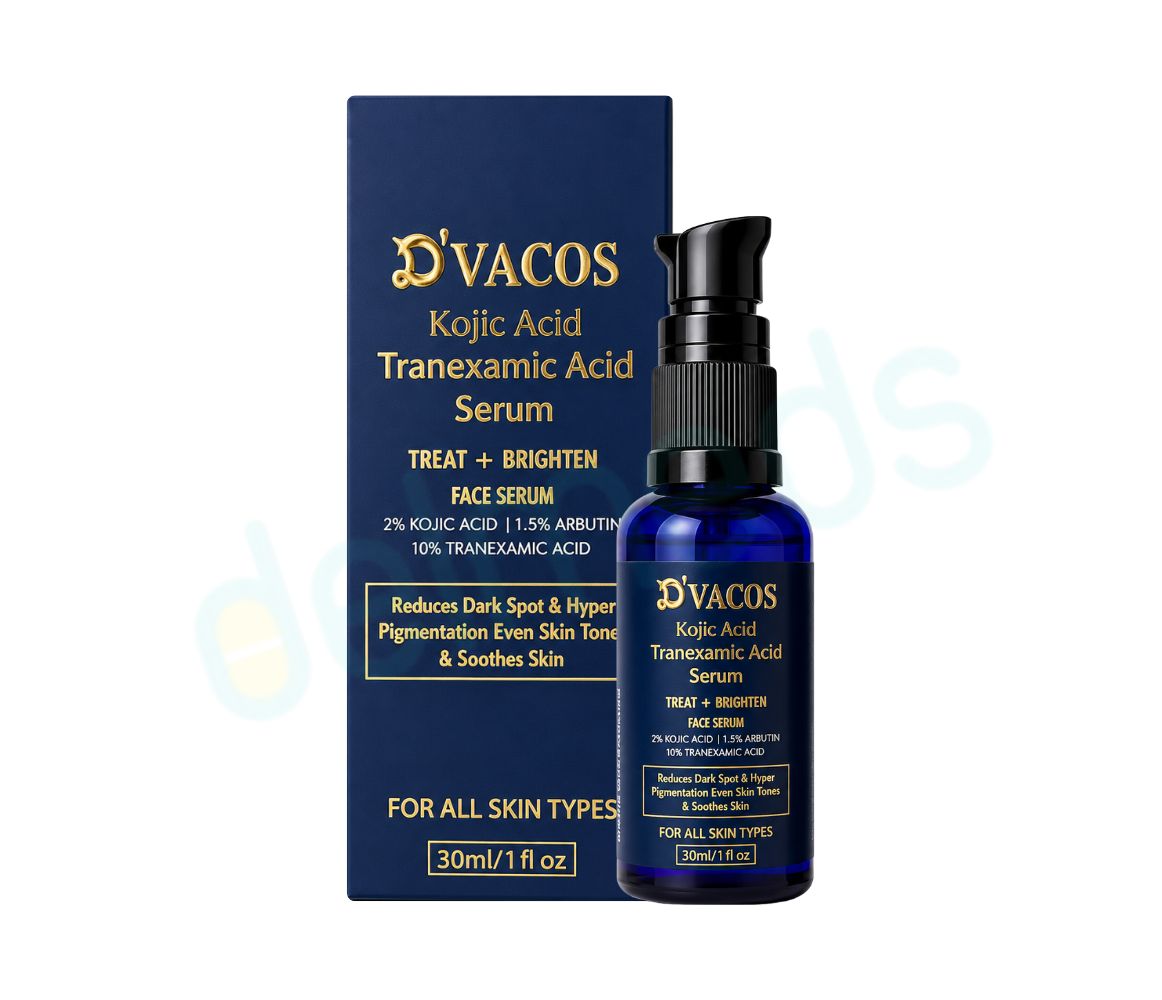
Hydration is only one part of the equation for healthy skin. If you want to achieve a truly radiant, even complexion, you should combine your hydrating steps with advanced corrective products. For instance, pairing your humectant with Niacinamide, Kojic Acid, and Tranexamic Acid Face Serums can help fade stubborn dark spots and reduce redness while maintaining excellent moisture levels. This combination ensures that as your skin barrier plumps up with water, your overall skin tone becomes more uniform, radiant, and free from inflammatory pigmentation.
While keeping your skin wet is vital, addressing cellular turnover is equally important for long-term skin health. As we age, our natural cell replacement slows down, leading to a dull, rough texture. To counteract this, introduce age-defying active ingredients alongside your hydration routine. Layering your hydrating serum with Retinal and Botox-Alternative Rejuvenating Serums will stimulate collagen production and accelerate cell renewal. This synergistic approach ensures your skin is not only well-hydrated but also firm, smooth, and youthfully resilient.
Plump, hydrated skin cells are highly vulnerable to environmental damage and UV radiation. Ultraviolet rays break down both natural and topically applied hyaluronic acid, neutralising your hydration efforts. Therefore, you must finish your morning skincare routine with high-quality Broad-Spectrum Mineral and Gel Sunscreens to shield your skin from harmful UVA, UVB, and visible light. Applying a robust sunscreen preserves the moisture levels you have worked hard to build, ensuring your barrier remains resilient against daily environmental damage.
No topical product can compensate for a body that is dehydrated from within. To achieve true, glowing skin health, you must support your cellular structure internally. Utilising targeted Skin & Hair Wellness Nutraceutical Supplements provides your body with the essential vitamins, amino acids, and nutrients required to manufacture its own structural proteins and moisture-binding compounds. This internal support, combined with external topical serums, creates a holistic loop of deep hydration.
Your physical environment plays a massive role in how humectants perform. In highly humid climates, these molecules pull moisture from the abundant air, making your skin look exceptionally fresh. In dry, arid climates or air-conditioned offices, however, they will pull moisture from your skin instead. To manage this risk, consider using indoor humidity tracking apps like Thermo-Hygrometer to monitor your surrounding air quality. If you live in a dry environment, relying more on rich emollient moisturisers rather than heavy humectant serums can protect your skin from dehydration.
Many users assume that because hyaluronic acid is a naturally occurring molecule, it cannot cause adverse reactions. This is a common misconception. When used in high concentrations, or when low molecular weight variants penetrate too deeply, it can trigger inflammatory responses in sensitive skin types. Some formulations also contain synthetic fragrance, drying alcohols, or harsh preservatives that can irritate the skin barrier, leading to redness and flaking.
Furthermore, using too many products that contain this ingredient can overwhelm your skin. Many cleansers, toners, serums, and creams now include humectants as a base ingredient. When layered repeatedly, this can lead to over-hydration of the stratum corneum, which weakens the natural cohesion of skin cells. This can make the skin more susceptible to external bacteria, allergens, and environmental pollutants, causing unexpected breakouts or sensitivity.
Is it safe to use hyaluronic acid every day? Yes, it is entirely safe and highly beneficial for daily use, provided you apply it correctly. Most individuals can use it both morning and night to maintain optimal hydration levels. However, if you experience sudden sensitivity, redness, or tightness, reduce your usage and check if you are applying it to dry skin or if your climate is too arid.
Does hyaluronic acid dry out skin? It can dry out your skin if applied to a dry face or used in a low-humidity environment without an occlusive layer. Because it is a humectant, it requires moisture to bind to. Without an external water source, it will pull moisture from the deeper layers of your skin, leading to dehydration.
What should you not mix with hyaluronic acid?
It is highly versatile and generally pairs well with almost all active ingredients, including acids, retinoids, and vitamins. However, you should avoid applying it immediately alongside highly acidic formulas without giving them time to absorb, as dramatic pH shifts can reduce the efficacy of your hydrating serum.
Can hyaluronic acid replace moisturiser?
No, it cannot replace a traditional moisturiser. It is a humectant that attracts water, but it lacks the oil-based emollient and occlusive ingredients required to seal that water into the skin. Without a cream to lock it in, the moisture will quickly evaporate, leaving your skin dry.
Is hyaluronic acid good for acne prone skin?
Yes, it is excellent for acne-prone skin because it provides weightless, non-comedogenic hydration. Many people with acne dry out their skin with harsh spot treatments, which trigger excess oil production. Using a lightweight hydrating serum helps balance oil levels without clogging pores.
How long does it take for hyaluronic acid to work?
Topical humectants offer immediate visual results, plumping up the skin and softening fine lines within minutes of application. However, long-term improvements in skin barrier resilience and overall hydration levels require consistent daily use over several weeks.
Which is better hyaluronic acid or retinol?
Neither is better, as they perform entirely different functions. One focuses strictly on hydration and immediate plumping, while the other accelerates cell turnover and collagen production to target ageing and texture. For optimal results, use both in a balanced routine.
Can I use vitamin C and hyaluronic acid together?
Yes, they make an excellent combination. Applying a hydrating serum before or after your vitamin C serum can help soothe potential irritation caused by active vitamin C formulas while doubling down on antioxidant defense and hydration.
Does hyaluronic acid cause purging?
No, it does not cause purging because it does not speed up cellular turnover or exfoliate the skin. If you experience breakouts after starting a new hydrating serum, it is likely due to other ingredients in the formulation, such as heavy silicones, oils, or preservatives.
What is the best age to start using hyaluronic acid?
There is no specific age requirement to start using it. Because our bodies naturally produce this molecule, you can safely integrate it into your routine in your teenage years or early twenties to maintain hydration, protect your skin barrier, and prevent early signs of dryness.
DISCLAIMER : This website provides general information for educational purposes only and should not be considered a substitute for professional medical advice, diagnosis, or treatment. Always seek the guidance of a qualified healthcare professional with any questions you may have regarding a medical condition. Do not disregard professional medical advice or delay seeking it because of information you've read on this website. Your health is important – when in doubt, consult a doctor.