Your shopping cart
😊 Product added to cart successfully
Product removed to cart successfully

Acne is usually seen as a skin problem, but many people notice that their breakouts become worse when their digestion is disturbed. Some people get acne flare-ups during constipation, bloating, acidity, stress eating, poor sleep, high sugar intake, or after too much junk food. Others feel their skin looks calmer when their diet becomes cleaner, fibre intake improves, and digestion feels better.
This has made “gut health and acne” one of the most discussed skincare topics today.
The idea is not completely wrong. The gut and skin are connected through inflammation, hormones, immunity, diet, stress, and the microbiome. Researchers often call this the gut-skin axis. A recent systematic review on prebiotics, probiotics, and postbiotics for acne says the gut-skin axis and human microbiome likely play a role in acne, and microbiome-based support may be useful as a complementary approach, not as a replacement for standard acne care.
But there is also a lot of confusion. Gut health is not a magic acne cure. Probiotics are not guaranteed to clear pimples. Detox drinks do not “flush out acne.” Acne is not simply toxins coming out through the skin. And not every breakout means your digestion is bad.
The better way to understand this topic is simple: digestion may affect acne in some people, especially through diet, blood sugar spikes, inflammation, gut microbiome imbalance, stress, and lifestyle. But acne usually needs a complete approach that includes skincare, sunscreen, diet awareness, sleep, stress control, and sometimes dermatologist-guided care.
The gut-skin axis refers to the connection between your digestive system and your skin. Your gut contains trillions of microorganisms, including bacteria, fungi, and other microbes. Together, they form the gut microbiome. This microbiome helps with digestion, immune function, nutrient metabolism, and inflammation control.
Your skin also has its own microbiome. When the gut and skin microbiomes are balanced, they may support healthier immunity and barrier function. When there is imbalance, also called dysbiosis, inflammation may increase in the body, which may influence skin conditions such as acne, eczema, rosacea, and psoriasis. Research reviews describe acne as being connected not only to the skin microbiome but also to the gut-brain-skin axis, which includes diet, stress, gut microbes, immune activity, and inflammation.
This does not mean every acne patient has a gut problem. It means your digestive health can be one part of the acne picture.
Digestion may affect acne through several pathways. If your diet is high in refined carbohydrates, sugar, fried snacks, sweet drinks, and ultra-processed foods, it can cause faster blood sugar spikes. These spikes may increase insulin and other hormone-related signals that can influence oil production and inflammation. AAD notes that foods that raise blood sugar quickly, such as white bread and fries, may worsen acne in some people, and blood sugar spikes can contribute to inflammation throughout the body.
Poor digestion can also affect how you feel overall. Bloating, constipation, acidity, irregular meals, poor sleep, and stress can disturb daily routine. When lifestyle becomes irregular, acne-prone skin may flare more easily. Stress also matters. AAD says stress can worsen acne, partly because stress may increase oil production and contribute to clogged pores.
So digestion and acne are connected, but not in a simple “bad stomach equals acne” way. It is more about inflammation, hormones, diet pattern, gut microbiome, stress, sleep, and overall lifestyle.
It is important to keep expectations realistic. Acne is a medical skin condition with multiple causes. Mayo Clinic explains that acne happens when hair follicles become plugged with oil and dead skin cells, leading to whiteheads, blackheads, or pimples. It also notes that diet may affect acne in some people, and stress can worsen existing acne, but stress does not directly cause acne by itself.
This means acne cannot be reduced to only digestion. If someone has hormonal acne, PCOS-related acne, oily skin, blocked pores, bacterial inflammation, wrong skincare, heavy sunscreen, comedogenic makeup, or genetic tendency, gut care alone may not clear the skin.
Gut health can support acne care, but it should not replace basic skincare or dermatologist advice when acne is painful, cystic, recurring, or leaving marks.
One of the strongest diet-related acne discussions is around high-glycemic foods. High-glycemic foods are foods that raise blood sugar quickly. Common examples include white bread, maida-based foods, sugary drinks, sweets, cakes, biscuits, white rice in large quantities, fries, and many packaged snacks.
AAD says that low-glycemic diets may lead to fewer pimples in some people, and high-glycemic foods may worsen acne. However, AAD also makes it clear that diet may play a role in breakouts, but clear skin usually needs more than diet change alone.
For Indian diets, this matters because many meals can become high-glycemic when they are heavy in refined carbs and low in fibre, protein, and healthy fats. A plate with only white rice or refined flour may spike blood sugar more than a balanced plate with dal, vegetables, curd, salad, paneer, egg, fish, sprouts, or other protein sources.
This does not mean you must stop rice, roti, or traditional food. It means balance matters.
Dairy and acne is another common question. Some studies suggest dairy, especially skim milk, may be associated with acne in some people. But the response is not the same for everyone. Some people break out after milk, whey protein, or certain dairy-heavy diets. Others can consume curd, paneer, or milk without any acne change.
The practical approach is not to remove all dairy blindly. If you strongly suspect dairy triggers your acne, observe your skin for a few weeks, ideally with dermatologist or dietitian guidance. Do not cut important food groups without replacing nutrition properly, especially protein and calcium.
For Indian users, this is important because dairy is common in tea, milk, paneer, curd, lassi, protein shakes, and sweets. If acne worsens after whey protein or excessive milk intake, it may be worth reviewing.
The gut microbiome can influence inflammation in the body. When the gut microbiome is balanced, it supports digestion, immune regulation, and barrier function. When it is disturbed, inflammation-related pathways may become more active.
A 2022 review on acne, microbiome, and probiotics describes the gut-skin axis as a connection between gut microbiota, skin microbiota, immune responses, diet, and acne. It also discusses probiotics as a possible supportive option, but the research is still developing and not every probiotic works the same way for every person.
This is why probiotic supplements should not be marketed as a guaranteed acne solution. The strain, dose, duration, diet, skin type, acne type, and person’s gut health all matter.
Probiotics may help some people as part of a broader acne care routine, but they are not a standalone cure. A recent systematic review found that prebiotics, probiotics, and postbiotics may be advantageous as complementary support in acne management, but the review frames them as complementary to traditional therapies.
This is an important word: complementary.
That means probiotics may support the gut-skin axis, inflammation balance, or microbiome health in some people, but they should not replace acne basics like gentle cleansing, non-comedogenic sunscreen, proper moisturiser, acne actives, or dermatologist care.
Probiotic foods like curd, buttermilk, fermented foods, and fibre-rich foods may support general gut health, but if you have severe acne, do not expect curd alone to clear it. Supplements should be used carefully, especially if you have health conditions, are immunocompromised, pregnant, or taking medication.
Prebiotics are food components that support beneficial gut bacteria. Fibre-rich foods often act as prebiotic support. Indian diets can be very gut-friendly when they include dal, beans, chana, rajma, vegetables, fruits, whole grains, millets, nuts, seeds, curd, and fermented foods.
The problem is that modern eating patterns often reduce fibre and increase refined carbohydrates, fried foods, sugar, and packaged snacks. This can affect digestion, constipation, blood sugar balance, inflammation, and overall wellness.
For acne-prone skin, improving fibre intake may support gut health and reduce blood sugar spikes. But increase fibre slowly. Suddenly eating too much rajma, chana, sprouts, or raw salad can worsen bloating in some people. Gut health is not about forcing extreme diets. It is about consistency and balance.
Many people believe constipation directly causes acne. The scientific answer is more cautious. Constipation itself is not listed as a direct cause of acne in standard dermatology guidance. But constipation can indicate low fibre intake, low water intake, low physical activity, stress, poor sleep, irregular meals, or gut imbalance. These lifestyle factors may indirectly affect inflammation and skin health.
If constipation is frequent, it should be addressed for overall health, not just for skin. Improve water intake, fibre, movement, and regular meals. If constipation is persistent, painful, associated with bleeding, sudden weight loss, or major changes in bowel habits, consult a doctor.
Do not rely on laxatives or detox teas for acne. They can harm digestion and cause dependency or dehydration.
Bloating and acidity do not automatically cause acne, but they can reflect poor eating habits, irregular meals, food intolerance, stress, overeating, or gut sensitivity. If your acne flares every time your digestion feels disturbed, it is worth tracking food, sleep, stress, and bowel habits.
For example, you may discover that acne worsens after high-sugar snacks, late-night fried food, whey protein, excessive dairy, or stress eating. But you may also discover that digestion and acne are unrelated in your case.
Tracking is better than guessing.
Stress connects the gut and skin strongly. Stress can affect digestion, appetite, cravings, sleep, hormones, and inflammation. It can also worsen acne. AAD notes that stress can worsen acne and may increase oil, which can clog pores and trigger acne flare-ups.
This is why acne often worsens during exams, business pressure, emotional stress, poor sleep, travel, and irregular schedules. Many people also eat more sugar, fried snacks, or processed foods when stressed. This can create a cycle: stress affects gut, gut feels uncomfortable, food habits worsen, sleep reduces, and acne flares.
Managing stress does not mean acne is “all in your mind.” It means stress is one of the real biological triggers that can worsen acne-prone skin.
Some acne routines include oral antibiotics for limited periods. Antibiotics can help certain inflammatory acne cases, but they can also affect gut bacteria and sometimes cause stomach discomfort, loose stools, acidity, or yeast-related issues in some people.
This is why antibiotics should be taken only under medical guidance and not repeated casually. If a dermatologist prescribes antibiotics, follow the course properly. Do not self-medicate with leftover tablets. Do not keep taking antibiotics every time acne flares.
If antibiotics affect your digestion, tell your doctor. They may guide timing, food, duration, or supportive measures.
Indian food itself is not bad for acne. Traditional Indian meals can be nutritious. The issue is usually imbalance. Acne-prone people may notice flare-ups with frequent high-sugar tea, biscuits, namkeen, fried snacks, samosa, pakora, chips, sugary drinks, sweets, fast food, maida-based foods, and late-night heavy meals.
This does not mean you can never eat these foods. The problem is frequency. Daily sugar and refined carbs may be more relevant than one occasional treat.
A more acne-friendly Indian plate may include dal or protein, sabzi, salad, curd if tolerated, roti or rice in balanced quantity, and less fried or sugary food. Add fruits instead of packaged desserts often. Choose nuts and seeds in small amounts instead of fried snacks. Keep hydration steady.
A gut-friendly and skin-supportive diet should focus on whole foods, fibre, protein, healthy fats, and micronutrients. Good options may include dal, chana, rajma, sprouts, curd, buttermilk, vegetables, fruits, oats, millets, brown rice, whole wheat roti, eggs, fish, paneer, tofu, nuts, seeds, and enough water.
Protein is important because low protein intake can affect hair, skin repair, satiety, and overall health. Fibre supports digestion and gut bacteria. Healthy fats support overall wellness. Vitamin and mineral deficiencies can also affect skin health indirectly.
If you are dealing with acne plus hair fall, fatigue, irregular periods, weight changes, or digestive issues, you may need medical evaluation instead of only diet changes.
Many people blame spicy food for acne. Spicy food does not cause acne in everyone. But in some people, spicy or oily food may worsen sweating, flushing, acidity, or digestive discomfort. If you notice a consistent acne flare after certain foods, track it.
The same applies to chocolate, dairy, whey protein, fried foods, and sugar. Instead of following fear-based rules, observe your own skin.
Hormonal acne often appears around the jawline, chin, neck, or lower face and may flare before periods. In women, it may be linked with PCOS, irregular cycles, excess facial hair, weight changes, or scalp hair thinning. IADVL public guidance notes that PCOS can cause acne along with irregular cycles, weight gain, scalp hair loss, and excess facial hair.
Gut health can support overall wellness, but hormonal acne often needs proper evaluation. If you have irregular periods, sudden acne, excess hair growth, or weight changes, do not rely only on probiotics or diet. A dermatologist or gynaecologist can help identify the cause.
Gut health may help reduce future breakouts if diet and inflammation are part of your acne pattern. But it will not directly remove existing acne marks. Acne marks need time, sunscreen, gentle skincare, and sometimes ingredients like niacinamide, azelaic acid, retinoids, vitamin C, tranexamic acid, or dermatologist-guided procedures.
For Indian skin, acne marks can darken with sun exposure. So even if you improve your diet, skipping sunscreen can make marks last longer. A simple routine with cleanser, moisturiser, and sunscreen remains important.
You can explore lightweight sunscreens if oily or acne-prone skin makes SPF difficult to use daily.
Even if your diet is perfect, wrong skincare can still cause acne. Heavy creams, comedogenic makeup, oily hair products touching the forehead, not removing sunscreen properly, harsh scrubs, over-cleansing, and frequent product switching can all worsen acne-prone skin.
AAD recommends acne-prone skin use products labelled non-comedogenic, oil-free, or won’t clog pores. AAD also advises washing acne-prone skin gently and avoiding scrubbing because scrubbing can irritate acne-prone skin.
This means gut health is only one side. Your face routine should still be acne-safe.
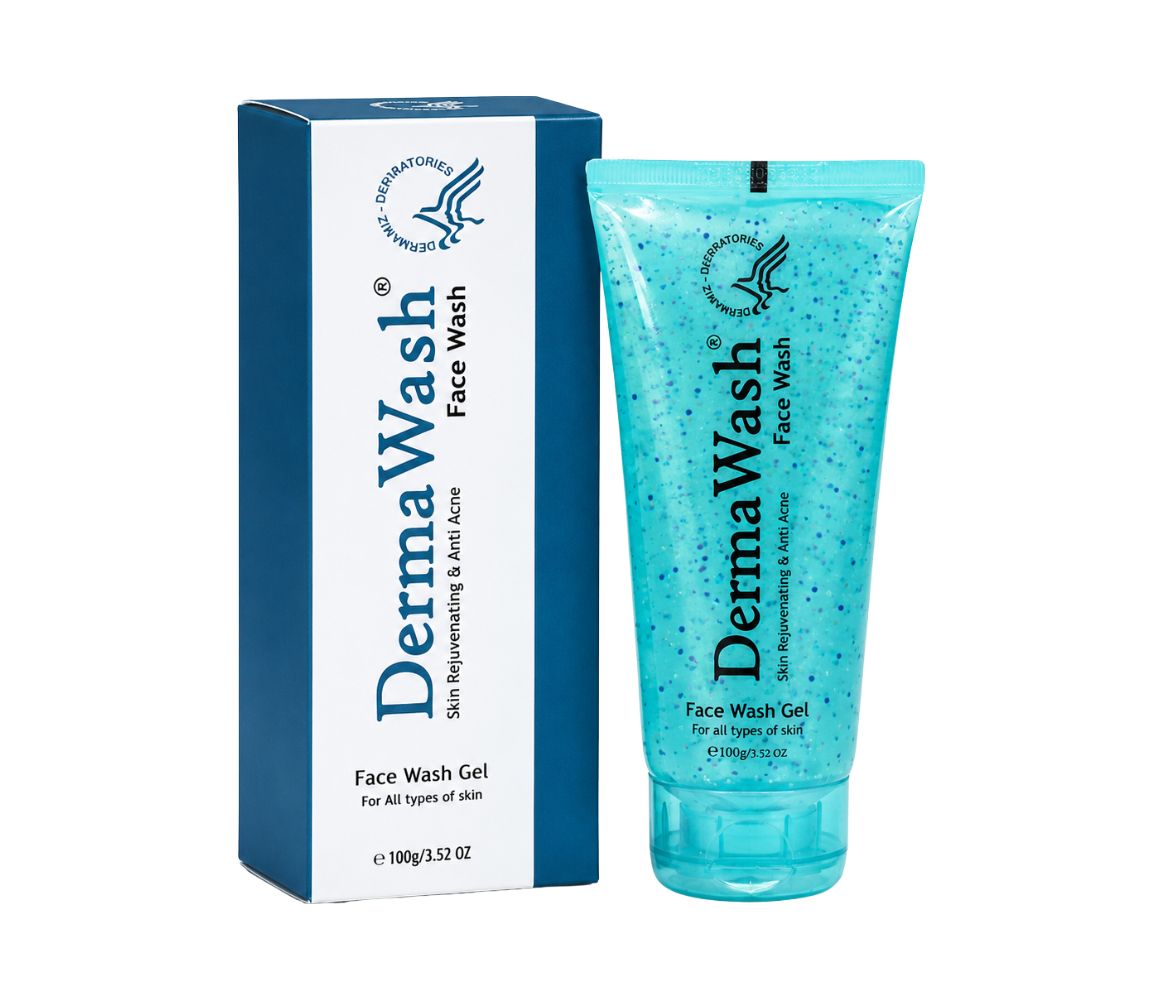
For acne-prone skin, a gentle cleanser, lightweight moisturiser, non-comedogenic sunscreen, and dermatologist-guided acne ingredients are usually more useful than a complicated routine. If you need simple daily cleansing support, you can explore options like DermaWash Face Wash, depending on your skin type and tolerance.
Supplements should not be the first step for everyone. Many people buy probiotics, digestive enzymes, zinc, omega-3, biotin, collagen, liver detox capsules, and gut powders without knowing whether they need them. This can become expensive and confusing.
If you want to improve gut health, start with food, sleep, hydration, movement, and stress management. Supplements may be helpful for selected people, but they should be chosen carefully.
If acne is severe or digestion is disturbed, consult a doctor. If you have chronic bloating, diarrhoea, constipation, blood in stool, unexplained weight loss, severe acidity, or persistent abdominal pain, medical evaluation is important.
Detox drinks are heavily marketed for acne and glowing skin. But your body already has detox systems, mainly the liver, kidneys, gut, lungs, and skin. Drinking lemon water, green juice, or herbal water cannot “flush out acne” overnight.
Some detox drinks may be harmless if they are simply water with fruit or herbs. But extreme detoxes, laxative teas, very low-calorie plans, or unverified herbal powders can disturb digestion, cause weakness, worsen acidity, or affect health.
Do not damage your body trying to clear acne quickly. Acne care needs consistency, not punishment.
Tracking can help if you suspect digestion affects your acne. Note your meals, sugar intake, dairy intake, whey protein, fried foods, bowel habits, bloating, sleep, stress, period cycle, skincare changes, and acne flare timing. Do this for at least four to six weeks.
Do not change everything at once. If you remove dairy, sugar, gluten, fried food, and all skincare together, you will not know what helped. Make one change at a time.
If you find a pattern, discuss it with a dermatologist or dietitian. Self-diagnosing food intolerance can lead to unnecessary restrictions.
A practical routine starts with regular meals, enough water, more fibre, enough protein, and fewer daily high-sugar snacks. Add vegetables, fruits, dal, curd if tolerated, nuts, seeds, and whole grains. Reduce frequent fried foods, sugary drinks, and ultra-processed snacks.
Sleep well and move daily. Even walking can help stress, digestion, and insulin sensitivity. Avoid crash dieting because sudden weight loss and low nutrition can affect skin and hair.
For skincare, keep it simple. Cleanse gently, moisturise if needed, and use sunscreen. Add acne actives slowly and preferably under guidance.
See a dermatologist if your acne is painful, cystic, recurring, leaving scars, leaving dark marks, or not improving after basic care. Also consult if acne is linked with irregular periods, facial hair growth, scalp hair thinning, sudden weight changes, or suspected PCOS.
Acne should not be ignored just because you are working on gut health. Gut care may support your skin, but active acne often needs targeted skincare or medical care.
See a physician or gastroenterologist if you have long-term digestive symptoms like persistent bloating, severe constipation, chronic diarrhoea, blood in stool, unexplained weight loss, severe acidity, vomiting, or abdominal pain. These are not acne problems. They need proper medical assessment.
Do not self-treat serious digestive symptoms with probiotics or detox products.
Yes, gut health may affect acne in some people through inflammation, diet, blood sugar changes, stress, hormones, and microbiome balance. But acne has many causes, so gut health is only one part of the picture.
Constipation is not considered a direct standard cause of acne, but it may reflect low fibre intake, low water intake, stress, poor sleep, or an imbalanced lifestyle, which can indirectly affect skin health.
Probiotics may support acne care in some people as a complementary approach, but they are not guaranteed to clear acne alone. A recent review suggests prebiotics, probiotics, and postbiotics may support acne management alongside traditional therapies.
High-glycemic foods that raise blood sugar quickly may worsen acne in some people. Examples include sugary foods, white bread, fries, sweet drinks, and refined carbohydrates.
Dairy may trigger acne in some people, but not everyone. If you suspect dairy, track your skin response and avoid cutting major foods without nutritional planning.
Yes. Stress can affect digestion, sleep, cravings, hormones, and acne. AAD says stress can worsen acne and may increase oil production that contributes to clogged pores.
No, acne should not be simplified as toxins coming out of the skin. Acne is linked with oil, clogged pores, inflammation, bacteria, hormones, genetics, skincare, and sometimes diet.
Dal, vegetables, fruits, curd if tolerated, buttermilk, chana, rajma, sprouts, whole grains, nuts, seeds, eggs, fish, paneer, tofu, and enough water can support overall gut and skin health.
Gut health may help reduce future breakouts in some people, but it will not directly remove existing acne marks. Acne marks need sunscreen, time, gentle skincare, and sometimes dermatologist-guided ingredients.
If acne is painful, cystic, recurring, leaving marks, or linked with hormonal symptoms, see a dermatologist. You can improve gut-friendly habits at the same time.
Gut health can affect acne in some people through diet, blood sugar spikes, inflammation, stress, hormones, and the gut-skin axis. High-glycemic foods may worsen acne for some people, and probiotics or prebiotics may support acne management as a complementary approach, but they are not magic cures. Acne is not just a digestion problem. It is linked with oil production, clogged pores, inflammation, bacteria, hormones, genetics, skincare habits, and lifestyle. For Indian skin, the best approach is balanced food, fibre, protein, hydration, sleep, stress control, gentle skincare, non-comedogenic sunscreen, and dermatologist advice when acne is severe or persistent.
Digestion can affect your skin, but acne should not be blamed only on the gut. The gut-skin connection is real, but it is only one part of a larger picture. Your acne may be influenced by diet, stress, sleep, hormones, oil production, skincare mistakes, makeup, sunscreen residue, PCOS, medication, or genetics.
Improving gut health can support acne-prone skin, especially if your routine currently includes too much sugar, refined carbs, fried food, poor fibre, poor sleep, and high stress. But gut health alone may not clear acne if the skin also needs proper acne care.
The smartest approach is balanced. Eat better, support digestion, sleep well, manage stress, move daily, cleanse gently, use sunscreen, and avoid harsh skincare. If acne is painful, leaving marks, or not improving, consult a dermatologist instead of depending only on probiotics or detox drinks.
Healthy skin often starts inside the body, but it still needs the right care on the outside.
DISCLAIMER : This website provides general information for educational purposes only and should not be considered a substitute for professional medical advice, diagnosis, or treatment. Always seek the guidance of a qualified healthcare professional with any questions you may have regarding a medical condition. Do not disregard professional medical advice or delay seeking it because of information you've read on this website. Your health is important – when in doubt, consult a doctor.