Your shopping cart
😊 Product added to cart successfully
Product removed to cart successfully

For most of our lives, we feel like we understand how our bodies work. We learn how our face reacts to stress, which seasons cause dry patches, and how to manage the occasional breakout. But when the menopausal transition begins, many women feel like their face has suddenly been replaced by someone else's. It is a profound shift that happens almost overnight, and it can feel incredibly frustrating when your trusted beauty routine suddenly stops working.
I remember talking to a close friend, a respected clinical researcher who had spent years studying cellular health. She called me one morning, visibly distressed. Despite her deep scientific background, she was completely unprepared for what was happening to her face. She described feeling like her skin was losing its bounce, becoming paper-thin, and reacting to products she had used for decades with intense redness and burning. It was a classic demonstration of how hormonal shifts reshape our physical canvas.
To navigate this transition successfully, we have to look past the surface level. We must understand the profound physiological changes happening deep within the dermal layers and learn how to adapt our daily routines to support a changing body.
To understand why your skin is behaving differently, we have to look at the primary hormone driving these changes: estrogen. Estrogen is not just responsible for reproductive health. It is a master regulator of your body's structural integrity.
In the dermal layers, estrogen acts as an activator. It stimulates fibroblast cells, which are the factories responsible for producing collagen, elastin, and hyaluronic acid. Collagen provides the scaffolding that keeps everything firm, elastin allows your face to bounce back when you smile, and hyaluronic acid acts as a natural sponge, holding onto water to keep everything plump.
When you enter perimenopause and transition into menopause, estrogen levels drop precipitously. Studies show that women lose up to 30% of their skin's dermal collagen during the first five years of menopause alone. After that, the decline continues at a rate of about 2% every single year. This rapid depletion of structural proteins is why you might suddenly notice deeper folds, a loss of definition along the jawline, and a dry, crepe-like texture that does not seem to respond to regular moisturisers.
At the same time, the natural rate of cell turnover slows down. When you are younger, your cells renew themselves every 28 days. By the time you reach menopause, this cycle can take upwards of 50 to 60 days. This means dead, dull cells linger on the surface much longer, creating a rough texture and preventing active topical ingredients from penetrating effectively.
As estrogen levels fall, your body's production of natural sebum decreases. Sebum is the protective oil that coats your face and seals in moisture. Without adequate oil production, your protective outer barrier becomes compromised, leading to a condition known as transepidermal water loss. Water literally evaporates out of your body into the dry air around you.
When this protective layer is weakened, irritating substances can easily penetrate the surface, causing burning, itching, and redness. Many women make the mistake of using harsh scrubs to peel away dry flakes, but this only damages the fragile surface further. Instead, you must focus on rebuilding this natural shield.
To restore balance, incorporate rich, lipid-replenishing formulations that mimic your natural lipid barrier. Look for ingredients like ceramides, fatty acids, and cholesterol that seal in moisture. Using advanced Skin Barrier Repair & Intensive Hydrators will help soothe irritation, lock in vital water molecules, and prevent the stinging sensation that often accompanies everyday activities.
With the rapid loss of collagen and elastin, gravity starts to take a visible toll. The cheek areas may begin to deflate, and the skin around the lower face and neck can start to sag. This loss of structural integrity is often accompanied by fine lines that deepen into permanent wrinkles.
While you cannot stop the passage of time, you can signal your cells to behave like younger cells. Cellular communication is key here. By introducing active molecules that encourage collagen synthesis, you can help offset the hormonal decline.
Retinoids are the gold standard for this issue. They travel deep into the dermis to stimulate collagen production and speed up cellular turnover. However, traditional retinoids can be too harsh for menopausal skin, which is already prone to dryness. Opting for gentler, highly effective alternatives like retinaldehyde or targeted peptides found in Retinal & Botox-Alternative Anti-Ageing Serums can deliver the firming benefits you need without causing unwanted irritation.
Without the protective influence of estrogen, your melanocytes (the cells responsible for producing pigment) can become highly erratic. Years of cumulative sun exposure that were previously hidden under the surface begin to show up as dark patches, age spots, and uneven patches of skin tone.
These dark spots are notoriously difficult to fade because they originate deep within the pigment-producing layers. To address them, you need a multi-targeted approach that blocks the chemical pathways of pigment production while gently exfoliating existing discolouration.
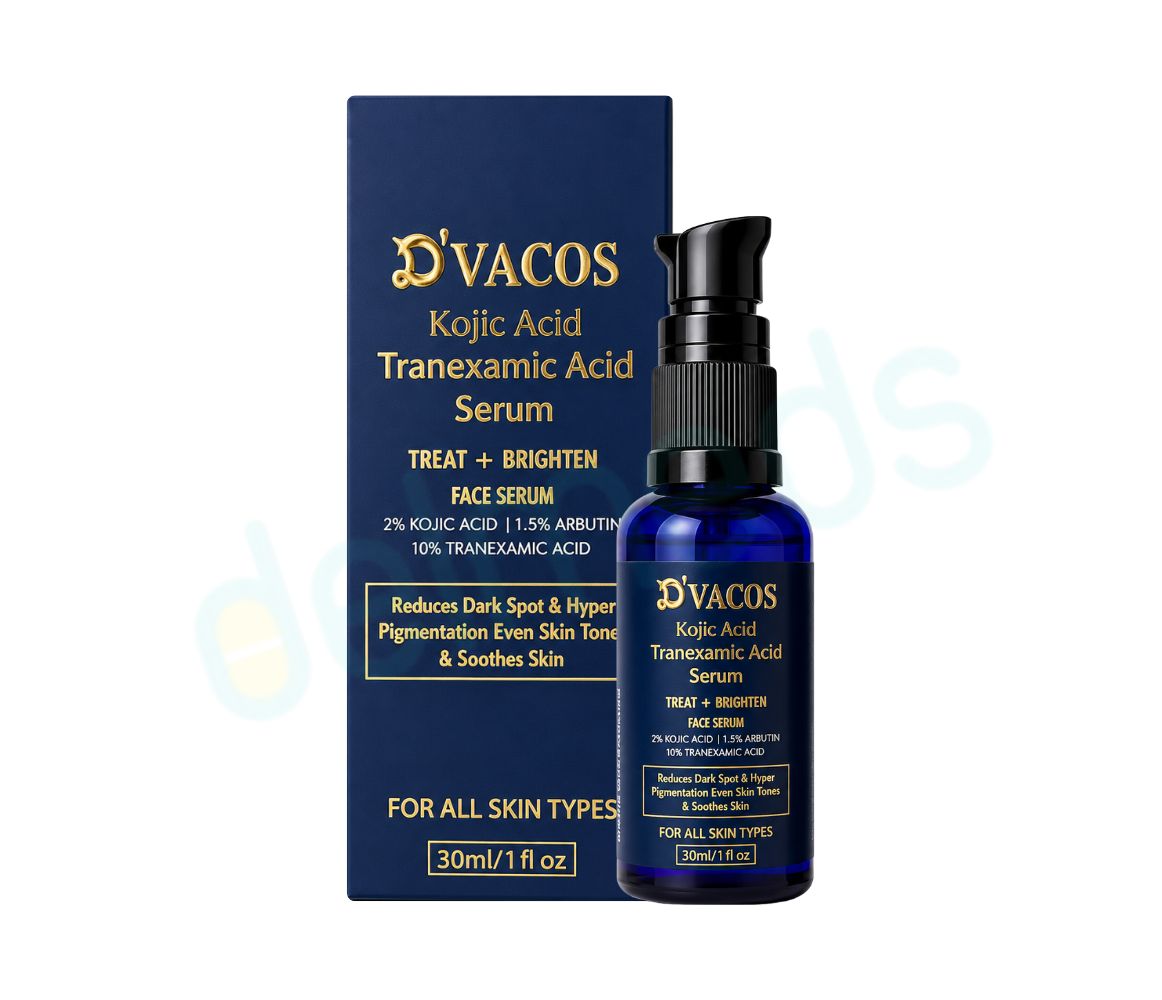
Utilising advanced brighteners can make a massive difference. Highly effective compounds like kojic acid and tranexamic acid work synergistically to quiet down overactive pigment cells. By incorporating specialised Kojic & Tranexamic Acid Hyperpigmentation Serums into your morning and evening skincare routines, you can gradually fade existing spots and prevent new ones from taking root.
As your skin becomes thinner during menopause, its natural defense mechanism against the elements begins to fail. UV rays and blue light from electronic screens can penetrate deeper into the tissue, accelerating the breakdown of what little collagen remains. This can leave your face feeling hot, flushed, and prone to sun damage.
Traditional chemical sunscreens can sometimes cause a burning sensation on sensitised, menopausal skin. This is why switching to physical blockers is so critical. Physical mineral blocks sit on top of the surface, reflecting harmful rays away like a shield rather than absorbing them into the tissue.
To protect your delicate surface from daily environmental damage, apply gentle Mineral & Tinted Sunscreens every single day, regardless of whether you are indoors or outdoors. Tinted versions offer the added benefit of iron oxides, which are highly effective at blocking the visible blue light emitted by phones and computers, while also helping to even out redness.
It is impossible to talk about the physical changes of menopause without mentioning the scalp. Just like the skin on your face, your scalp undergoes significant changes. As estrogen declines, the relative ratio of male hormones like testosterone increases, which can shrink hair follicles and shorten the hair growth cycle.
This hormonal imbalance often leads to diffuse thinning, especially along the part line and temple areas. The scalp itself can also become incredibly dry, itchy, and irritated, creating an unhealthy environment for hair to grow.
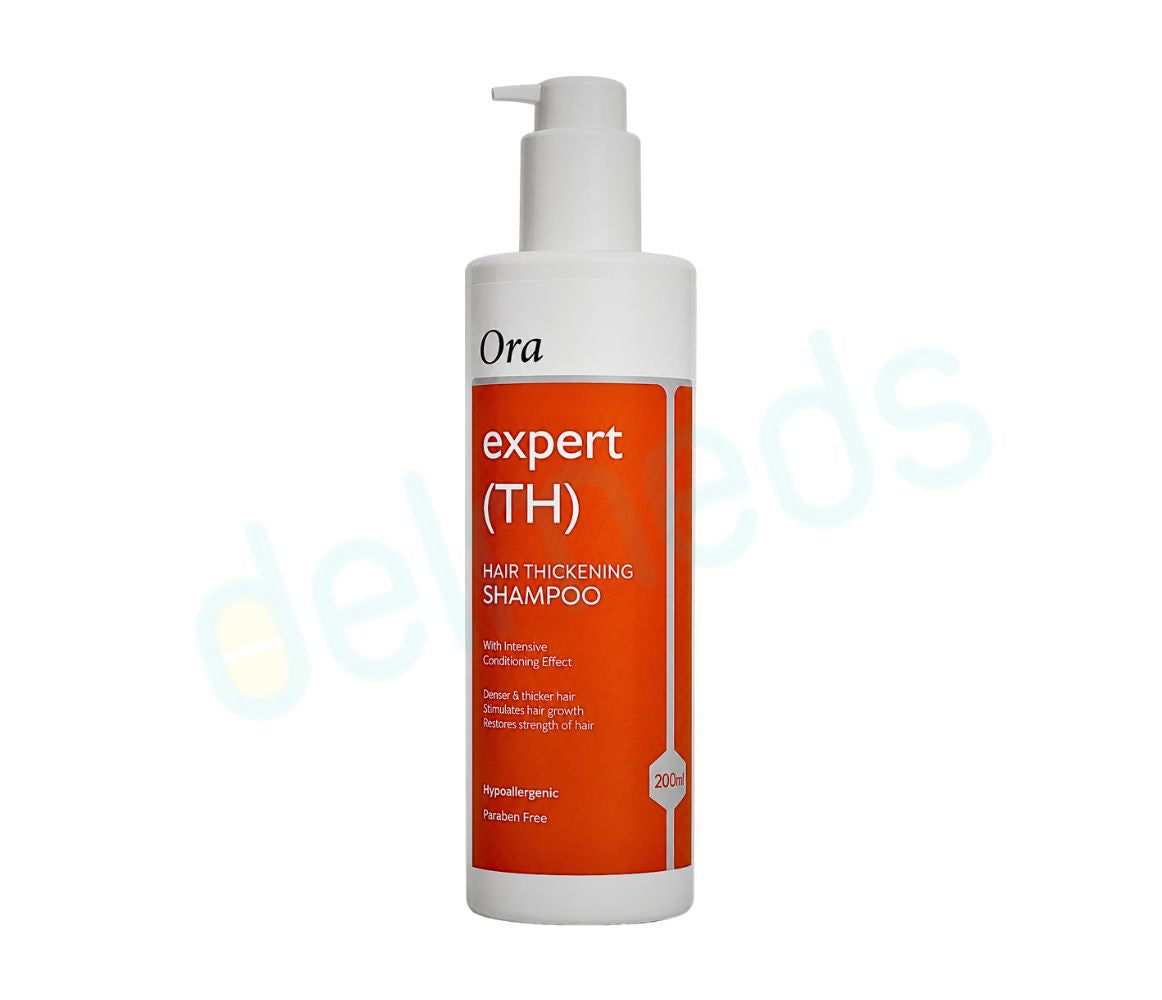
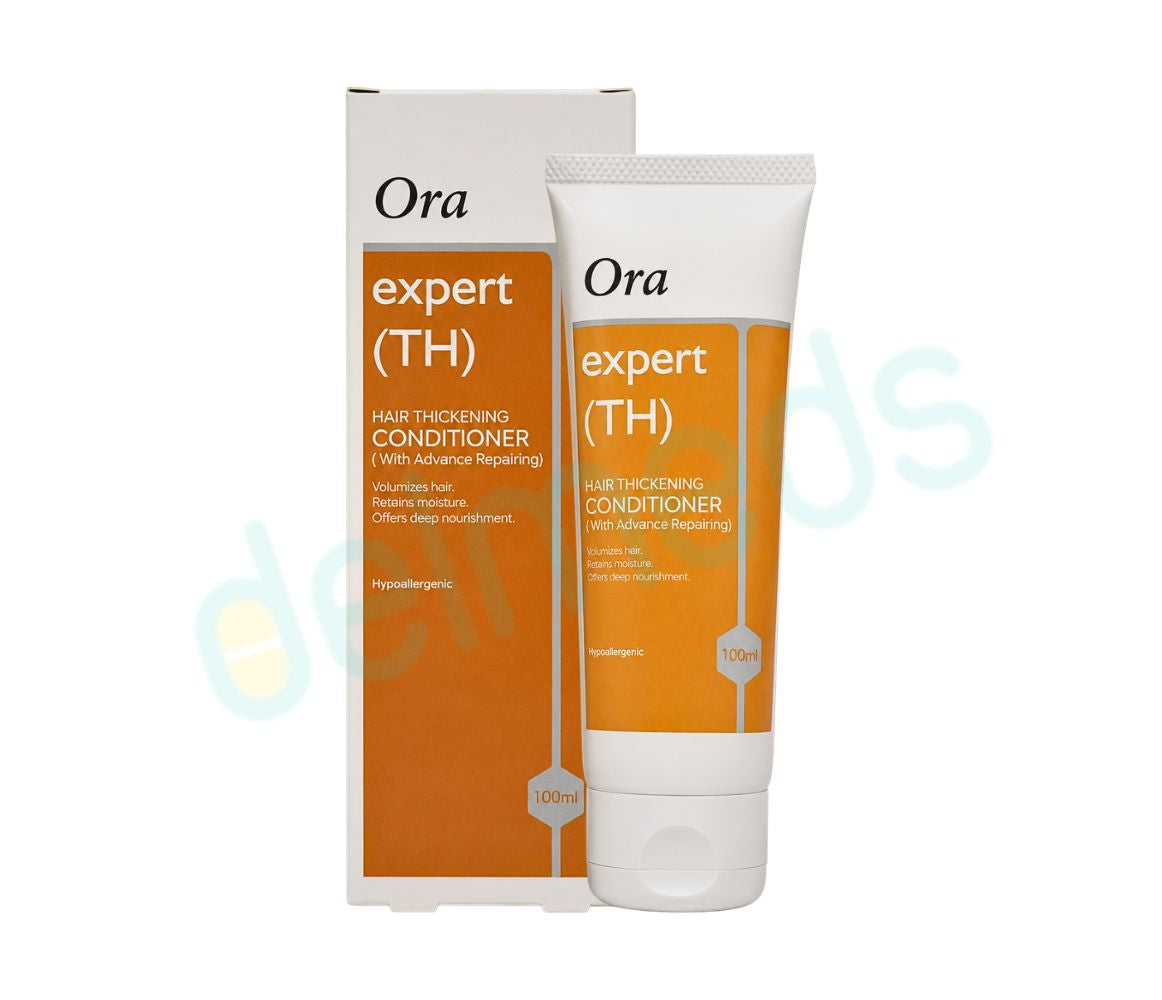
To combat this, you must treat your scalp with the same level of care you show your face. Nourishing the hair roots with targeted nutrients and growth factors is essential for maintaining volume and density. Applying high-performance Clinical Hair Growth Serums & Kits can revitalize dormant follicles, reduce shedding, and provide the deep nourishment needed to restore hair to its natural strength.
Managing these transitions does not require a complex twenty-step routine. In fact, when your surface barrier is fragile, less is almost always more. The goal is to select highly effective, concentrated products that work in harmony with your biology.
In the morning, focus on protection and hydration. Start with a gentle, non-foaming cleanser that does not strip your natural oils. Follow up with a hydrating serum rich in hyaluronic acid, then apply a targeted brightening treatment to address any hyperpigmentation. Always finish with a generous layer of mineral sun protection to block both UV rays and blue light.
In the evening, focus on repair and renewal. After a thorough but gentle cleanse, apply your cellular-stimulating treatment, such as a retinal or peptide serum, to encourage collagen production while you sleep. Follow this with a rich barrier-repair cream designed to lock in moisture and support the skin through its overnight healing cycle.
As estrogen levels drop, oil production slows down, causing extreme dryness. This compromise to your natural moisture barrier allows irritants to penetrate easily, triggering a localised inflammatory response that leads to chronic itching and sensitivity.
Yes, the drop in estrogen shifts the hormonal balance, leaving a higher ratio of testosterone active in the body. This can cause sebum to become thicker, leading to clogged pores and deep, painful hormonal breakouts along the jawline and chin.
Research shows that women lose approximately 30% of their skin's collagen in the first five years after menopause. After this initial drop, the decline continues at a steady rate of about 2% each year.
Because the protective moisture barrier is compromised during menopause, ingredients that once worked perfectly can now penetrate too deeply and quickly, triggering irritation, redness, and burning.
Look for products containing ingredients like kojic acid and tranexamic acid. These active ingredients help regulate melanocyte activity, reducing the overproduction of pigment and evening out stubborn dark spots.
Physical or mineral sunscreens are much better because they sit on top of the skin and reflect light, minimizing the risk of irritation and heat buildup that can occur with chemical filters.
The drop in estrogen allows male hormones to exert more influence on the scalp, which can shrink hair follicles and lead to diffuse thinning and a wider part line.
Yes, staying hydrated, eating a diet rich in healthy fats and antioxidants, managing stress, and getting adequate sleep can support your body's natural repair processes and improve your overall appearance.
You should avoid harsh physical scrubs, which can tear the fragile surface barrier. Instead, use gentle chemical exfoliants like lactic acid once or twice a week to encourage cell turnover without causing damage.
Focus on products that restore hydration deep within the tissues and rebuild the outer barrier. Look for rich creams with ceramides and cholesterol alongside serums that boost natural collagen production.
Understanding the changes that happen during menopause is the first step toward reclaiming your skin's health. While the physiological shifts are real and fast-paced, modern dermatological science has given us the tools to support our bodies beautifully through this transition.
By focusing on deep hydration, protecting your moisture barrier, stimulating collagen production, and defending against environmental stress, you can keep your face looking healthy, vibrant, and resilient for years to come.
DISCLAIMER : This website provides general information for educational purposes only and should not be considered a substitute for professional medical advice, diagnosis, or treatment. Always seek the guidance of a qualified healthcare professional with any questions you may have regarding a medical condition. Do not disregard professional medical advice or delay seeking it because of information you've read on this website. Your health is important – when in doubt, consult a doctor.