Your shopping cart
😊 Product added to cart successfully
Product removed to cart successfully

The modern skincare landscape has given us unprecedented access to highly concentrated active ingredients. From advanced peeling acids to cellular-rejuvenating molecules, the choices are vast. Yet, more is not always better. Many individuals seeking radiant skin end up facing redness, burning, and sudden breakouts. This phenomenon, known as ingredient overload or cosmetic dermatitis, occurs when the skin is subjected to a chaotic cocktail of incompatible products.
Understanding how your skin interacts with various formulations is key to achieving a healthy complexion. When you layer too many potent actives, you risk stripping away the natural lipids that protect your face from environmental aggressors. Recognising the signs of an overwhelmed epidermis and knowing how to safely recalibrate your regimen will help you restore balance and achieve long-term vitality.
It is easy to fall into the trap of over-complicating your daily habits. Imagine waking up to find a minor blemish. In response, you apply a salicylic acid cleanser, followed by a glycolic acid toner, a vitamin C serum, a high-strength retinoid, and perhaps a heavy botanical cream. While each of these items has merit when used individually, combining them in a single session is a recipe for disaster.
My own journey with skincare minimalism began after a week of intense experimentation. I decided to combine three different highly recommended products in a bid to accelerate my results. Within forty-eight hours, my face felt like it was on fire. Simple water application stung. This painful lesson taught me that the biological limits of our skin must be respected. The epidermal barrier is highly resilient, but it is not indestructible. When we bombard it with complex chemical formulations, it loses its ability to retain moisture and defend against external irritants.
Recognizing the distress signals of your face is the first step toward recovery. Here are five unmistakable indicators that your current routine is doing more harm than good.
If your daily application of basic creams causes a stinging or burning sensation, your lipid barrier is compromised. Healthy skin should not sting when hydrated. This reaction indicates that microscopic cracks have formed in the outer layer of the stratum corneum, allowing standard ingredients to penetrate too deeply and irritate sensory nerves.
Many people mistake a shiny forehead for a healthy glow. However, if that shine is accompanied by tightness, flakiness, or a papery texture, it is likely a sign of over-exfoliation. This occurs when harsh acids strip away the protective lipids, leaving the face vulnerable to rapid moisture loss, a process known as transepidermal water loss.
While some active ingredients cause temporary purging, persistent inflammatory acne in areas where you do not usually break out is a sign of irritation. When the skin barrier is damaged, opportunistic bacteria find it much easier to colonise the pores, leading to localised infections and stubborn blemishes that resist standard acne treatments.
If stepping into cold air, sitting near a heater, or exposing your face to sunlight causes instant flushing and discomfort, your skin defenses are down. A healthy lipid layer acts as an insulating shield against thermal and environmental fluctuations. Without it, your blood vessels dilate rapidly in response to minor changes.
When cellular turnover is artificially accelerated by too many exfoliating agents, the newly formed cells reach the surface before they are fully mature. These delicate cells shed unevenly, resulting in rough, dry patches that make cosmetic application difficult and ruin the natural texture of your face.
To understand why your face reacts this way, we must look at the underlying science. The stratum corneum is often described using a brick-and-mortar model. The bricks are the skin cells, called corneocytes, and the mortar is a rich lipid matrix composed of ceramides, cholesterol, and free fatty acids. This structure keeps essential moisture locked in while keeping irritants, pollutants, and microbes out.
When you apply multiple harsh chemicals, you dissolve this lipid mortar. The cells become loose, moisture escapes, and external irritants easily slip through the cracks. This triggers an inflammatory response deeper within the dermis, leading to vasodilation, itching, and swelling. Interestingly, this inflammatory cycle does not just affect your face. The health of your scalp barrier is equally crucial. Issues like thinning and follicle weakness are often tied to similar inflammatory pathways on the scalp, which is why utilising targeted Clinical Hair Growth Serums & Kits can help restore vitality to the hair follicles by maintaining a balanced, nourished microenvironment.
If you suspect you are dealing with ingredient overload, you must act swiftly to halt the damage. Continuing with your active products will only prolong the healing process. Follow this structured protocol to return your face to its natural, healthy state.
Immediately pause the use of all retinoids, exfoliating acids, vitamin C serums, and complex anti-ageing formulations. For the next ten to fourteen days, your goal is survival and recovery. Avoid introducing any new products during this time, even if they claim to be soothing, as your sensitized state makes you highly reactive to unfamiliar ingredients.
Wash your face once or twice a day with a fragrance-free, non-foaming cleanser. Follow this immediately with targeted Skin Barrier Repair & Intensive Hydrators. These formulations are designed to mimic your natural lipid matrix, supplying the essential ceramides and humectants needed to rebuild the cellular mortar and seal in precious hydration.
Inflamed, sensitised skin is highly susceptible to UV damage and hyperpigmentation. Chemical sunscreens can sometimes cause a stinging sensation on a damaged barrier. Instead, rely on physical blockers. Opting for high-quality Mineral & Tinted Sunscreens provides broad-spectrum physical protection without triggering chemical irritation, while the tint helps neutralize visible redness.
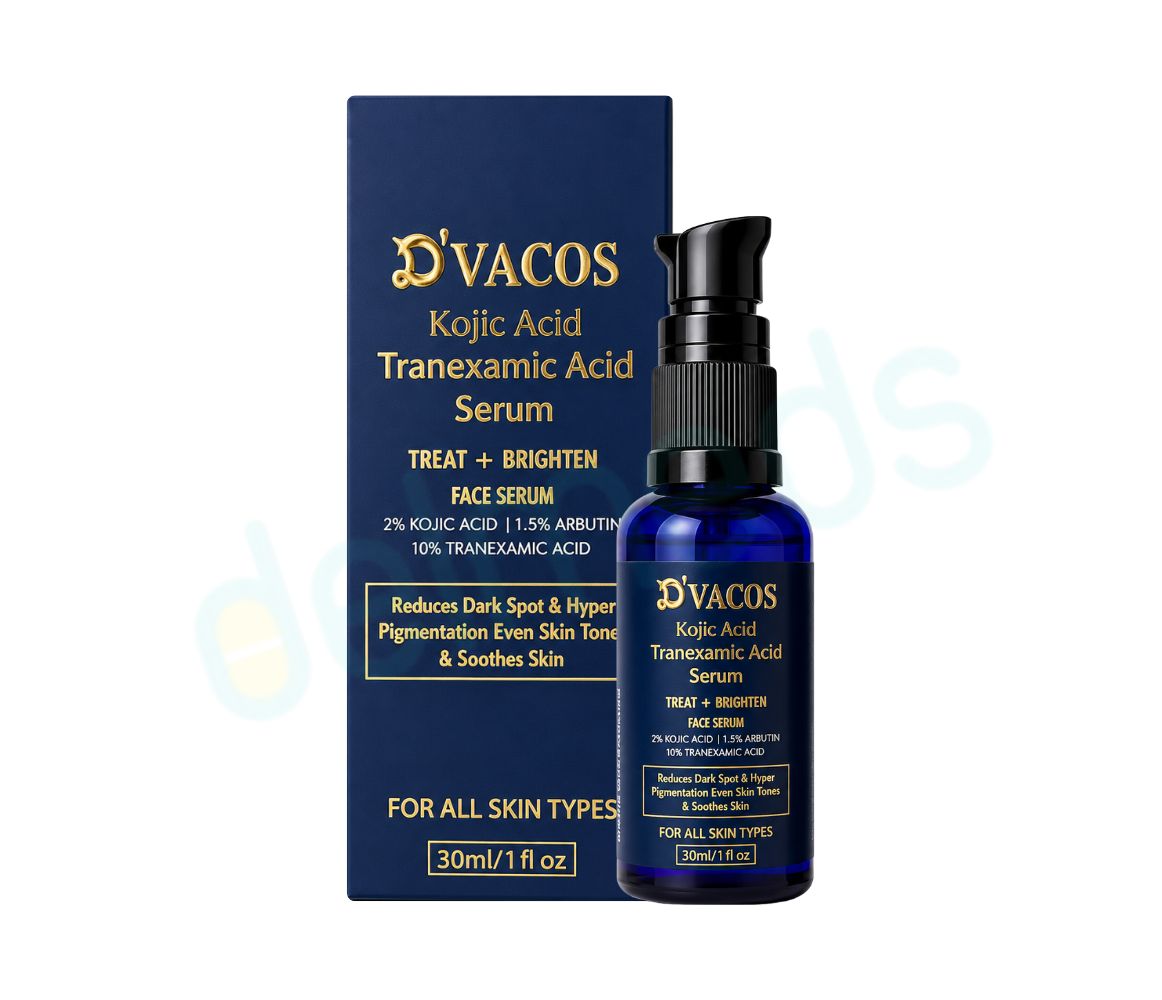
Once your face no longer stings when washing or moisturising, you can slowly reintroduce active treatments. Do not start them all at once. If your primary concern is dark spots, begin by introducing mild Kojic & Tranexamic Acid Hyperpigmentation Serums twice a week, monitoring closely for any signs of regression. If your goal is rejuvenation, wait another two weeks before carefully incorporating gentle Retinal & Botox-Alternative Anti-Ageing Serums to support collagen production without disrupting your newly healed barrier.
How do I know if my skin barrier is damaged? A damaged barrier typically manifests as persistent redness, burning when applying gentle moisturisers, flakiness, unexplained breakouts, and an uncomfortable, tight feeling even after hydrating.
What is skincare ingredient overload? Ingredient overload happens when you apply too many active cosmetic products, such as acids, retinoids, and vitamin C, simultaneously. This destabilizes the natural lipid barrier and triggers irritation.
How long does it take to repair a damaged skin barrier? Depending on the severity of the irritation, it typically takes between two to four weeks of a simplified routine to restore the protective lipid layer and calm underlying inflammation.
Can too many skincare products cause acne? Yes. When the protective barrier is compromised, bacteria can easily enter the pores, leading to inflammatory acne. Overly heavy layers of conflicting products can also clog pores.
Should I stop using all skincare products if my face is burning? You should stop using all active treatments and exfoliants. However, do not stop moisturizing or cleansing. Use a very gentle, basic cleanser and a rich barrier-repair cream to aid recovery.
Can I use hyaluronic acid with a damaged skin barrier? Yes, pure hyaluronic acid is generally safe as it acts as a humectant to draw moisture into the tissue. Ensure you seal it with an occlusive moisturiser to prevent the moisture from evaporating.
What is the difference between skin purging and skin irritation? Purging occurs in areas where you normally break out and resolves relatively quickly as cellular turnover increases. Irritation causes redness, burning, peeling, and breakouts in completely new areas.
How do I simplify my daily skincare routine? Focus on a three-step routine consisting of a gentle cleanser, a nourishing barrier moisturiser, and a reliable physical sunscreen during the day.
Why is my face suddenly sensitive to everything? This sudden hypersensitivity is a classic sign of a depleted lipid barrier. When the protective outer layer is worn down, substances that normally cause no reaction can penetrate deep enough to irritate raw nerve endings.
Is mineral sunscreen better for damaged skin than chemical sunscreen? Yes, mineral sunscreens containing zinc oxide or titanium dioxide sit on top of the skin to reflect light and are much less likely to cause irritation or burning on sensitive, compromised barriers.
Skincare is a marathon, not a sprint. The temptation to achieve rapid results by piling on multiple high-strength formulas is understandable, but it often leads to setbacks. By adopting a thoughtful, minimalist approach, you allow your skin to do what it does best: protect, heal, and regenerate. Listen to the subtle feedback your face provides, prioritize barrier integrity, and remember that healthy skin is balanced skin.
DISCLAIMER : This website provides general information for educational purposes only and should not be considered a substitute for professional medical advice, diagnosis, or treatment. Always seek the guidance of a qualified healthcare professional with any questions you may have regarding a medical condition. Do not disregard professional medical advice or delay seeking it because of information you've read on this website. Your health is important – when in doubt, consult a doctor.