Your shopping cart
😊 Product added to cart successfully
Product removed to cart successfully

Waxing can make the skin feel smooth, clean, and hair-free for a few weeks, but for many people it also creates another problem: ingrown hairs and dark marks. You wax your legs, arms, underarms, bikini line, stomach, chest, or face, and after a few days or weeks, small bumps start appearing. Some look red. Some look like tiny pimples. Some feel painful or itchy. Some have trapped hair inside. After they settle, they leave brown or dark spots that last for weeks or months.
This is especially common on Indian skin because Indian skin is often more prone to post-inflammatory hyperpigmentation. That means even a small bump, scratch, inflamed follicle, or waxing injury can leave a darker mark after healing.
Ingrown hair marks after waxing are not only a beauty concern. They can affect confidence, make the skin look uneven, and sometimes become painful if the hair follicle gets inflamed or infected. The problem becomes worse in humid weather, tight clothing, friction, sweating, poor waxing technique, dry skin, and repeated picking.
The good news is that ingrown hairs can often be reduced with better waxing preparation, correct aftercare, gentle exfoliation, moisturising, loose clothing, and avoiding picking. But if ingrown hairs are painful, infected, recurring, or leaving deep scars, it is better to see a dermatologist.
An ingrown hair happens when a hair grows back into the skin instead of growing outward. It can also happen when a hair gets trapped under the skin surface. This can lead to tiny bumps, swelling, pain, itching, pus-filled bumps, or dark marks.
Mayo Clinic explains that an ingrown hair can cause tiny swollen bumps on the skin that may hurt, and the hair may grow back into the skin after hair removal. Cleveland Clinic also describes ingrown hair as a strand that grows back into the skin after shaving, tweezing, or waxing.
This is why waxing can trigger ingrown hairs even though it removes hair from the root. When the new hair grows back, it may not come out smoothly through the follicle opening. If the skin surface is dry, thick, clogged, or inflamed, the hair can get trapped.
Waxing removes hair from the root, but it can also irritate the skin and follicle. If the hair breaks instead of being removed cleanly, the broken tip may grow in the wrong direction. If the follicle opening becomes blocked by dead skin cells, sweat, oil, or product buildup, the new hair may not come out properly.
Waxing can also cause small trauma to the skin. The skin may become red, sensitive, warm, or inflamed after waxing. In some people, this inflammation can increase the chance of bumps and marks.
Cleveland Clinic notes that removing hair by shaving, waxing, or tweezing can cause ingrown hairs. Mayo Clinic also says that to help prevent ingrown hair, avoiding shaving, tweezing, and waxing is the most direct prevention method. But since many people still prefer waxing, the practical goal is to reduce risk as much as possible.
Dark marks after ingrown hairs are usually a type of post-inflammatory hyperpigmentation. This happens when the skin produces extra pigment after inflammation or injury. The trigger can be a bump, pimple, ingrown hair, infected follicle, waxing burn, friction, scratching, or picking.
Cleveland Clinic explains that hyperpigmentation can happen after injury to the skin, such as acne, cuts, or burns. Cleveland Clinic also notes that ingrown pubic hair may lead to scarring or skin discoloration after it heals.
For Indian skin, this is very important because the mark can remain long after the bump is gone. The original ingrown hair may heal in a few days, but the brown spot can stay for months, especially on legs, bikini line, underarms, inner thighs, stomach, beard area, or arms.
Picking makes this worse. If you dig out ingrown hairs with nails, tweezers, pins, or blades, the skin gets more injured and the mark becomes darker.
Ingrown hair and folliculitis can look similar, but they are not always the same.
Ingrown hair happens when hair grows back into the skin or gets trapped. Folliculitis is inflammation or infection of the hair follicle. It can appear as red bumps, pus-filled bumps, tenderness, itching, or burning. Cleveland Clinic explains that folliculitis happens when a hair follicle becomes infected or inflamed.
Waxing can sometimes trigger both. A hair may become ingrown, and the follicle may also become inflamed. This is why some waxing bumps look like pimples.
If the bumps are painful, filled with pus, spreading, warm, or recurring, do not assume they are simple ingrown hairs. A dermatologist can check whether it is folliculitis, bacterial infection, fungal folliculitis, acne, or another skin issue.
Ingrown hair marks can happen anywhere hair is removed, but some areas are more prone. The legs are common because the skin can be dry and hair may be coarse. The bikini line is common because hair is thicker, skin is sensitive, and friction from tight clothing is frequent. Underarms are common because of sweat, deodorant, shaving or waxing irritation, and friction. The beard area and upper lip are common because hair can be coarse and skin can be sensitive. Arms, stomach, chest, and inner thighs can also develop marks after repeated waxing or plucking.
Areas with coarse or curly hair are more likely to develop ingrown hairs. Friction and humidity make it worse because sweat and tight clothing can irritate follicles.
Humidity can make ingrown hairs worse because sweat stays on the skin longer. Sweat mixes with oil, dead skin cells, body lotion, sunscreen, deodorant, dust, and fabric friction. This can clog follicle openings and irritate the skin after waxing.
After waxing, the skin is temporarily more sensitive. If you wear tight jeans, leggings, synthetic innerwear, tight sportswear, or damp clothes immediately after waxing, friction and sweat can trigger more bumps. In monsoon or summer, this is very common.
Humidity also makes people sweat more after waxing, and sweat can sting or irritate freshly waxed skin. This can increase scratching, rubbing, and inflammation, which can later become dark marks.
One major mistake is waxing over dry, rough, or bumpy skin. When dead skin cells build up, hair may not grow out properly. Another mistake is poor waxing technique. If the wax is pulled incorrectly or the hair breaks instead of coming out from the root, ingrown hair risk can increase.
Cleveland Clinic’s dermatologist-reviewed guidance says that when waxing, wax should be applied in the direction of hair growth. Incorrect technique, repeated waxing over the same area, and harsh pulling can irritate the skin.
Another mistake is waxing too frequently. If the hair is too short, wax may not grip properly and may break the hair. If you wax irritated or inflamed skin, the skin barrier can get worse.
Do not wax over sunburn, cuts, active rash, acne, infected bumps, fresh chemical exfoliation irritation, or skin that is already peeling.
Preparation matters. Before waxing, the skin should be clean, dry, and calm. Avoid heavy body lotion, oil, or greasy products right before waxing because they can interfere with wax grip.
A few days before waxing, gentle exfoliation can help remove dead skin buildup. This does not mean harsh scrubbing. Rough scrubs can cause micro-injury and irritation. Gentle exfoliation with a mild exfoliating body wash or body lotion may help some people, but avoid strong exfoliation immediately before waxing.
Keep the skin moisturised in the days before waxing if it is dry. Dry skin is more likely to become rough, flaky, and irritated. Hydrated skin may tolerate waxing better.
If you are using strong actives like retinoids, glycolic acid, salicylic acid, lactic acid, benzoyl peroxide, or peeling products on the area, be careful. Waxing over sensitised skin can cause irritation, peeling, burns, or dark marks.
After waxing, the skin needs calm aftercare. Avoid hot showers, steam, sauna, swimming, gym workouts, heavy sweating, tight clothes, fragrance, deodorant on freshly waxed underarms, harsh scrubs, and strong actives for at least the period advised by your waxing professional or dermatologist.
Do not touch the area repeatedly. Do not scratch. Do not pick tiny bumps. Freshly waxed skin is more vulnerable to irritation.
Wear loose cotton or breathable clothing after waxing, especially for legs, bikini line, underarms, and inner thighs. If you wax during monsoon, try not to stay in sweaty or damp clothes afterwards.
Use a gentle moisturiser if the skin feels dry or irritated. Avoid heavy oils if you are prone to folliculitis or clogged follicles.
Prevention starts after the skin has calmed. Once redness and sensitivity settle, gentle exfoliation can help reduce dead skin buildup around follicle openings. This may reduce the chance of new hair getting trapped.
Do not exfoliate immediately after waxing. Give the skin time. If the area is calm after a few days, use gentle exfoliation one to three times weekly depending on tolerance. Avoid harsh loofahs, aggressive scrubs, and rough body brushes.
Moisturising also matters. Dry, rough skin can trap hair more easily. A lightweight moisturiser can keep the skin smoother. If your skin is acne-prone or folliculitis-prone, choose non-greasy formulas.
Clothing matters too. Avoid tight clothes that constantly rub the waxed area. Friction can push growing hair sideways and irritate follicles.
Both can help, but timing matters.
Before waxing, gentle exfoliation a day or two before may help remove surface buildup. Do not exfoliate right before waxing if your skin becomes sensitive easily.
After waxing, wait until the skin is calm. Then introduce gentle exfoliation slowly. If you exfoliate too soon after waxing, the skin may burn, sting, or develop irritation.
For Indian skin, irritation can lead to pigmentation, so gentle is better than aggressive.
Ingredients that help smooth rough buildup may support ingrown hair prevention. Salicylic acid may help oily or bumpy skin because it can work around follicles. Lactic acid or glycolic acid may help rough texture, but they can irritate if overused. Urea can help dry, rough body skin. Niacinamide may support barrier comfort for some people. Panthenol, glycerin, ceramides, and soothing moisturisers can help skin recover.
But do not use all ingredients together. Body skin can still get irritated. Start with one product and use it slowly.
Avoid lemon, baking soda, toothpaste, strong DIY scrubs, and harsh bleaching creams. These can burn the skin and worsen dark marks.
The first step is preventing new ingrown hairs. If new bumps keep forming, new marks will keep appearing. Once bumps are under control, dark marks can fade gradually with time, sunscreen, gentle exfoliation, and pigment-supporting ingredients.
Cleveland Clinic says sun protection helps prevent hyperpigmentation from worsening. This matters if marks are on exposed areas like legs, arms, face, neck, or chest. Without sunscreen, marks can darken and take longer to fade.
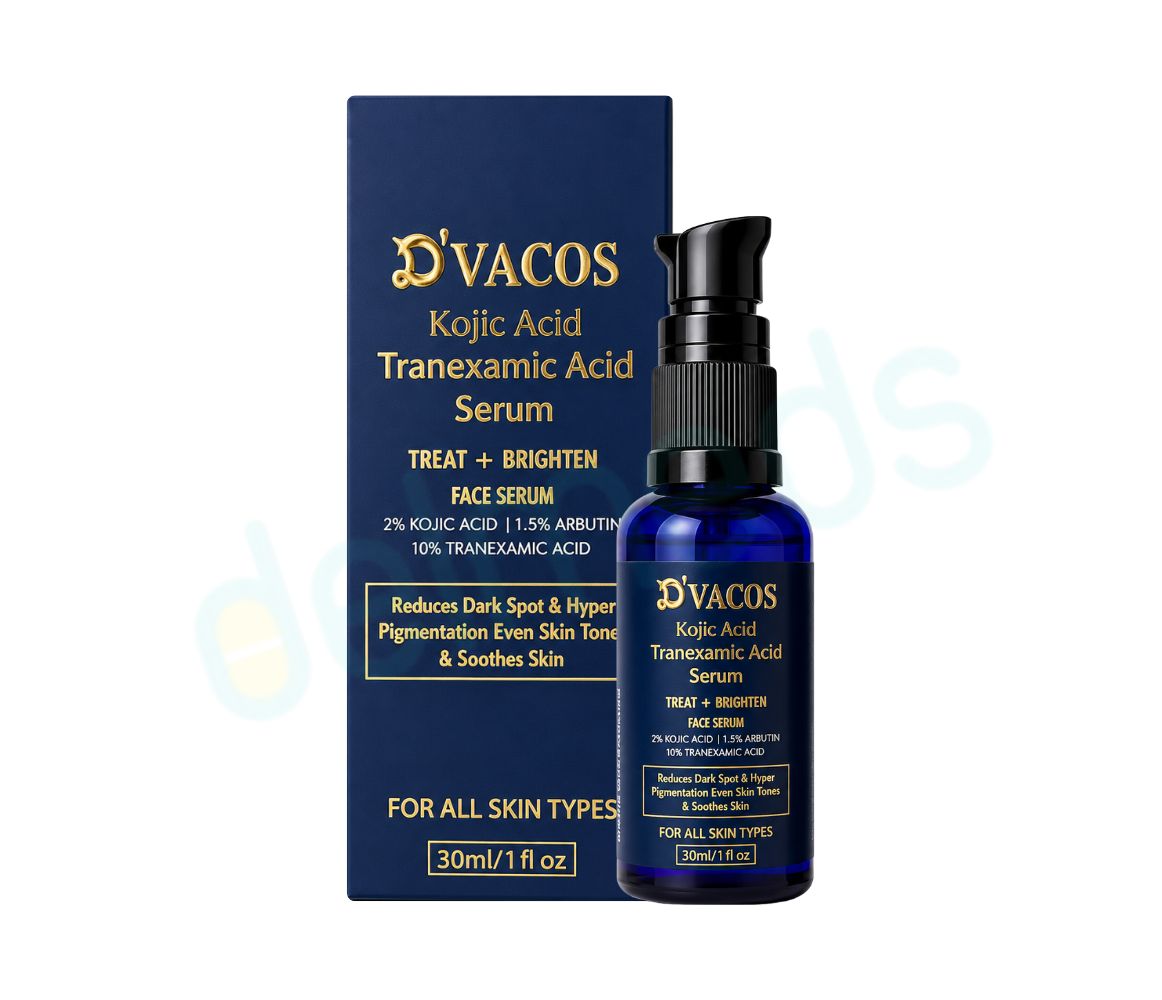
Ingredients like niacinamide, azelaic acid, gentle exfoliating acids, vitamin C, tranexamic acid, and retinoids may help some dark marks, but they should be introduced carefully. If the product irritates the skin, marks may worsen.
For body pigmentation, results take time. Do not expect marks to disappear in one week.
Sunscreen is important if the marks are on exposed skin. Dark spots from ingrown hairs can become darker with UV exposure. This is common on legs, arms, upper lip, chin, neck, and chest.
Choose broad-spectrum sunscreen with SPF 30 or higher for exposed areas. If your skin is oily or acne-prone, choose a lightweight, non-comedogenic formula. If you wear shorts, dresses, sandals, sleeveless clothes, or open footwear, body sunscreen matters too.
You can explore lightweight sunscreens based on texture, SPF, and skin type.
Picking is one of the biggest causes of marks and scars. Many people use nails, tweezers, safety pins, needles, or blades to dig out trapped hair. This can cause cuts, infection, bleeding, scabs, dark marks, and scars.
If a hair is close to the surface, warm compresses and gentle care may help. But if the bump is deep, painful, or inflamed, do not dig. See a dermatologist.
Picking may give temporary satisfaction, but it usually makes the mark worse.
If an ingrown hair becomes painful, swollen, pus-filled, warm, or red, it may be inflamed or infected. Do not squeeze it. Do not wax over it. Do not apply random steroid-mix creams.
Cleveland Clinic notes that ingrown hairs can sometimes become infected, and Mayo Clinic says a healthcare provider can diagnose ingrown hair by looking at the skin and asking about hair removal habits.
A dermatologist may recommend a suitable cream, cleanser, antibiotic, anti-inflammatory care, or a different hair removal method depending on the case.
Waxing can reduce hair for longer than shaving, but it can still cause ingrown hairs. Shaving can also trigger ingrown hairs, especially if the hair is cut too close or grows back into the skin. Tweezing can cause similar problems.
Mayo Clinic says avoiding shaving, tweezing, and waxing is the best way to prevent ingrown hairs. It also notes that laser-assisted hair removal may be recommended because it removes hair at a deeper level than shaving, waxing, tweezing, or electrolysis.
Laser hair reduction may help some people with recurring ingrown hairs because it reduces hair density over time. But for Indian skin, laser should be done carefully with the right device, settings, patch testing, and sun protection because pigmentation risk matters.
The bikini line is one of the most common areas for ingrown hair marks. Hair is coarse, skin is sensitive, and friction from underwear, leggings, jeans, pads, and sweat can worsen bumps.
After bikini waxing, avoid tight clothing, heavy exercise, hot showers, swimming, and friction for at least the advised period. Keep the area clean and dry. Do not apply perfume, harsh intimate washes, or strong actives immediately after waxing.
If bumps are painful, pus-filled, itchy, or recurring, see a dermatologist. Also consult if there are dark marks, boils, or repeated folliculitis.
Legs often develop ingrown hair because the skin can become dry and rough. If you wax over dry legs repeatedly without moisturising or gentle exfoliation, hair may get trapped under dead skin.
To prevent this, moisturise regularly between waxing sessions. Exfoliate gently once or twice a week if tolerated. Do not scratch or pick black dots. Use sunscreen if your legs are exposed outdoors because marks can darken.
Underarms are prone to sweat, friction, deodorant irritation, and pigmentation. After waxing, avoid deodorant for the period advised if the skin is sensitive. Do not use strong acids or brightening creams immediately after waxing.
Wear loose clothing and keep the area dry. If underarm bumps keep coming back, check whether waxing technique, hair breakage, deodorant irritation, or folliculitis is involved.
Facial waxing, especially upper lip, chin, sideburns, and cheeks, can cause bumps and dark marks in sensitive skin. Facial skin is more visible, so irritation matters more. If you use retinoids, exfoliating acids, acne creams, or prescription products, waxing can irritate the skin or cause peeling.
Avoid facial waxing over active acne, irritated skin, sunburn, or retinoid-sensitised skin. If you get repeated bumps and marks after facial waxing, consider threading carefully, trimming, dermatologist-guided hair removal, or laser if suitable.
Most dark marks after ingrown hair are temporary but can last for months. However, repeated inflammation, picking, deep infection, and aggressive hair removal can sometimes lead to scars or texture changes.
Cleveland Clinic notes that ingrown pubic hair may lead to scarring or hyperpigmentation after healing. This is why prevention is better than trying to fix marks later.
If you have raised scars, pits, thick dark patches, or recurring boils, see a dermatologist.
The first mistake is picking or digging out ingrown hairs. The second is waxing over active bumps. The third is wearing tight clothes immediately after waxing. The fourth is using harsh scrubs or loofahs. The fifth is applying strong acids too soon after waxing.
Another mistake is using random fairness creams or steroid-mix creams on marks. These can irritate the skin, worsen pigmentation, or cause other side effects.
A common Indian home remedy mistake is applying lemon, baking soda, toothpaste, or undiluted essential oils. These can burn the skin and create darker marks.
A simple prevention routine starts before waxing. Keep the skin moisturised and avoid waxing irritated skin. Gently exfoliate one or two days before waxing if your skin tolerates it. On waxing day, keep skin clean and dry.
After waxing, keep the skin calm. Avoid heat, sweat, friction, tight clothes, perfume, deodorant on sensitive underarms, and strong actives for a short period. Once the skin settles, moisturise regularly and exfoliate gently one to three times weekly.
Use sunscreen on exposed areas. Do not pick bumps. If a bump becomes painful or infected, get it checked.
For body texture and daily care, you can explore body care options based on dryness, roughness, bumps, and sensitivity.
See a dermatologist if ingrown hairs are painful, pus-filled, spreading, recurring, leaving scars, or causing severe dark marks. Also consult if you get boils, repeated folliculitis, thick scars, or bumps that do not improve.
If hair growth is suddenly increasing on the face, chin, chest, or stomach, especially with acne, irregular periods, weight changes, or scalp thinning, hormonal evaluation may be needed.
Do not keep waxing over inflamed skin. Repeated trauma can make marks worse.
Ingrown hair can happen after waxing when the new hair grows back into the skin or gets trapped under dead skin buildup. Waxing can also irritate follicles or break hair, increasing the risk.
Dark marks happen because inflammation from bumps, picking, waxing injury, or folliculitis can trigger post-inflammatory hyperpigmentation. This is more noticeable in Indian skin.
Keep skin moisturised, gently exfoliate before waxing, avoid waxing irritated skin, wear loose clothes after waxing, avoid heat and sweat immediately after waxing, and exfoliate gently after the skin calms.
Yes, but not immediately. Wait until redness and sensitivity settle. Then exfoliate gently one to three times weekly depending on tolerance.
It is better not to wax over active bumps, pus-filled lesions, cuts, rashes, or inflamed skin. This can worsen irritation and marks.
Prevent new bumps first. Then use sunscreen on exposed areas, gentle exfoliation, moisturising, and pigment-supporting ingredients if tolerated. Dark marks take time to fade.
Both waxing and shaving can cause ingrown hairs. Mayo Clinic says avoiding shaving, tweezing, and waxing is the most direct way to prevent ingrown hairs.
Laser hair reduction may help recurring ingrown hairs by reducing hair density, but it should be done carefully, especially on Indian skin, because pigmentation risk matters.
Avoid hot showers, steam, swimming, gym sweating, tight clothes, perfumes, deodorant on sensitive underarms, harsh scrubs, and strong actives until the skin calms.
See a dermatologist if bumps are painful, pus-filled, recurring, spreading, leaving scars, or not improving. Also consult if there are boils, infection signs, or severe pigmentation.
Ingrown hair marks after waxing happen when new hair grows back into the skin or gets trapped under dead skin buildup, causing bumps, inflammation, folliculitis, and dark marks. Indian skin can be more prone to post-inflammatory hyperpigmentation, so even small waxing bumps can leave brown spots for weeks or months. To prevent them, keep skin moisturised, gently exfoliate before waxing, avoid waxing irritated skin, wear loose clothes after waxing, avoid heat and sweat immediately after waxing, start gentle exfoliation only after the skin calms, use sunscreen on exposed areas, and do not pick or dig out trapped hairs. If bumps are painful, pus-filled, recurring, or leaving scars, see a dermatologist.
Ingrown hair marks after waxing are common, but they are not something you should ignore or keep irritating. The mark usually begins with a small trapped hair or inflamed follicle. If you pick it, wax over it, scrub it harshly, or expose it to friction and sweat, the bump can become darker and take longer to fade.
For Indian skin, prevention is the most important step. Prepare the skin before waxing, choose proper technique, avoid waxing irritated areas, follow calm aftercare, moisturise regularly, exfoliate gently, and protect exposed marks from the sun.
Waxing should make the skin feel smoother, not leave repeated bumps and pigmentation. If it keeps causing painful ingrown hairs or stubborn dark marks, it may be time to change your hair removal method or get dermatologist advice.
DISCLAIMER : This website provides general information for educational purposes only and should not be considered a substitute for professional medical advice, diagnosis, or treatment. Always seek the guidance of a qualified healthcare professional with any questions you may have regarding a medical condition. Do not disregard professional medical advice or delay seeking it because of information you've read on this website. Your health is important – when in doubt, consult a doctor.