Your shopping cart
😊 Product added to cart successfully
Product removed to cart successfully

We have all been there. You look in the mirror after a beautiful summer or a highly stressful month and notice your complexion looks tired, uneven, and patchy. Dark spots from sun exposure or stubborn red marks from old breakouts seem to linger forever. When you start searching online for how to fade hyperpigmentation, you are immediately bombarded with two heavy hitters: Vitamin C and Niacinamide.
It is easy to get overwhelmed by the skincare hype. Every brand claims to have the magic skin radiance serum that will transform your face overnight. But the truth is, these two ingredients work in completely different ways. If you want a truly luminous complexion, you need to understand which active fits your skin type, your daily routine, and your specific concerns. Let us break down the science, explore some real skin experiences, and help you choose the best serum for even skin tone.
I remember my own battle with dark spots a few years ago. After a beach vacation, I woke up with patches of dark pigment on my forehead and upper lip, a common condition called melasma. Desperate for a quick fix, I ordered the strongest acid peels I could find online. I applied them with reckless abandon, thinking more strength meant faster results.
Instead of bright skin, I got a severely damaged skin barrier. My face was constantly red, burning, and peeling, and the dark spots actually looked darker because of the intense inflammation. That was my wake up call. Skincare is not about using the most aggressive products. It is about understanding skin biology and using targeted, supportive formulations.
To fade dark marks, you must understand how melanin works. Melanin is the pigment that gives our skin its color. When your skin is injured, inflamed, or exposed to UV rays, melanocytes, the cells deep in your skin, go into overdrive and produce excess pigment. To stop this process, you need ingredients that can either stop the pigment from forming in the first place or prevent it from traveling to the surface of your skin. This is where our two contenders shine.
Vitamin C is widely regarded as one of the gold standards in modern dermatology. It is a highly potent antioxidant that neutralizes free radicals caused by environmental stressors, such as UV radiation and air pollution. When left unchecked, these free radicals damage skin cells, accelerate aging, and trigger inflammatory pigment production.
How does vitamin c for dark spots actually work? It functions as a tyrosinase inhibitor. Tyrosinase is the key enzyme your skin uses to manufacture melanin. By blocking this enzyme, Vitamin C prevents the dark pigment from being created. This makes it an incredibly effective tool for fading existing sun spots and stopping new ones from forming.
Topically applied Vitamin C significantly improves skin radiance and reduces visible pigmentation within several weeks of consistent use. However, Vitamin C, especially in its pure form as L-ascorbic acid, is notoriously unstable. It degrades quickly when exposed to light and air, turning a dark amber color that can stain the skin. For those with highly delicate skin, pure Vitamin C can also cause slight tingling or irritation.
If Vitamin C is a targeted, high-intensity specialist, Niacinamide, also known as Vitamin B3, is the ultimate multi-tasking diplomat. While Vitamin C works by stopping the production of pigment, Niacinamide works by preventing the transfer of pigment. Once melanin is created, it is packaged into tiny spheres called melanosomes, which are then transferred to your outer skin cells. Niacinamide steps in and blocks this transfer, keeping the pigment from showing up on the surface of your skin.
This makes a niacinamide brightening serum an exceptional option for anyone struggling with uneven skin tone. But Niacinamide does not stop there. It is a legendary ingredient for skin barrier repair. It stimulates the natural production of ceramides and fatty acids, which lock in moisture and protect your skin from external irritants.
For anyone searching for Sensitive Skin Solutions, Niacinamide is usually the preferred choice. It is incredibly stable, highly tolerated by all skin types, and plays well with almost every other active ingredient in your routine. It calms redness, regulates oil production, and helps smooth out rough, uneven texture, making it a stellar candidate for the best serum for even skin tone.
Let us compare these two powerhouses directly across different performance metrics:
Target Mechanism: Vitamin C stops the production of pigment by blocking tyrosinase. Niacinamide stops the transfer of pigment to outer skin cells.
Stability and Shelf Life: Vitamin C is highly sensitive to light, heat, and air, requiring dark packaging and quick usage. Niacinamide is incredibly stable and does not degrade easily under normal bathroom conditions.
Skin Barrier Interaction: Vitamin C is acidic and can occasionally cause dryness or irritation in sensitive individuals. Niacinamide actively strengthens the skin barrier and reduces redness.
Auxiliary Benefits: Vitamin C boosts collagen synthesis and offers robust antioxidant protection against UV damage. Niacinamide regulates sebum production, refines the appearance of enlarged pores, and hydrates the skin.
If your main goal is to protect your skin from sun damage during the day while fading stubborn sun spots, Vitamin C is an excellent choice. If you have sensitive, red, or breakout-prone skin and want to build a resilient, smooth complexion while evening out your tone, Niacinamide is your go to ingredient.
There is an old, outdated skincare myth that you cannot use Vitamin C and Niacinamide together. This myth originated from early laboratory studies in the 1960s that used highly unstable, non-clinical forms of these ingredients at extremely high temperatures. In modern cosmetic chemistry, these two ingredients can absolutely co-exist.
Using them together can actually provide a powerful double action effect against dark spots. By combining them, you are attacking hyperpigmentation from two distinct angles: Vitamin C prevents the pigment from forming, while Niacinamide prevents whatever pigment is made from rising to the surface.
You can layer them in the same routine, starting with the thinnest, most acidic product, which is usually Vitamin C, and following with Niacinamide. Alternatively, you can split them up by using Vitamin C in the morning to maximize its antioxidant protection, and Niacinamide at night to support skin barrier recovery while you sleep.
If you want real, visible changes in your skin tone, consistency is key. Here is how you can naturally structure an effective daily routine that incorporates these ingredients safely:
Step One: Cleansing. Start with a fresh canvas. For those with oily or acne prone skin, using a specialized cleanser like Banzit Acne Treatment Cleanser Gel is a fantastic way to gently clear away excess sebum and dead skin cells, ensuring your active serums can penetrate deeply and work effectively.
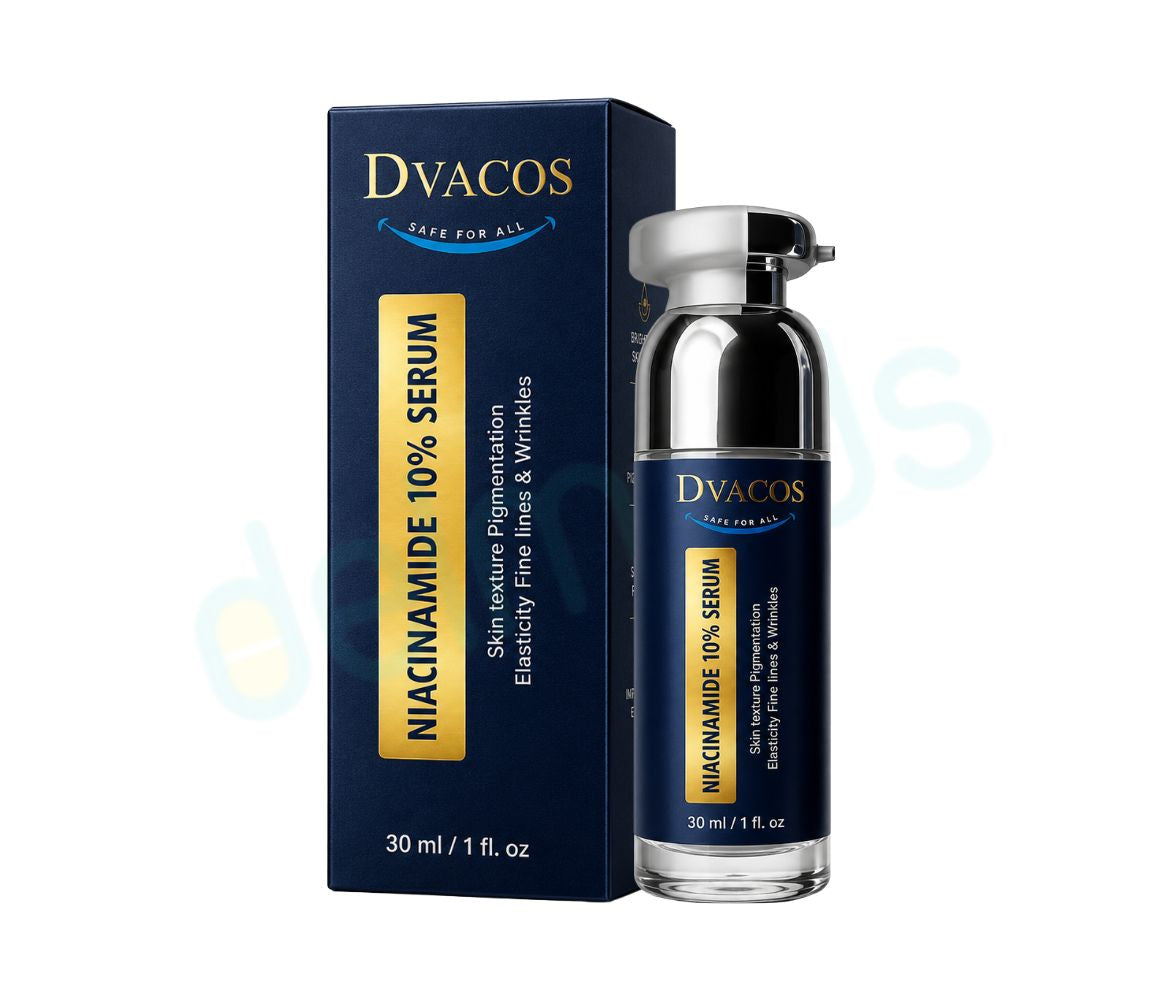
Step Two: Active Serums. Apply your chosen active formulas. You can use high-quality Niacinamide & Vitamin C Brightening Serums to target dark patches, restore radiance, and keep your skin plump and hydrated.
Step Three: Moisturizer. Apply a nourishing cream or gel to seal in the moisture and reinforce your natural protective barrier.
Step Four: Sun Protection. This step is absolutely non-negotiable. UV rays are the number one cause of dark spots. If you do not wear sun protection daily, any progress you make with your serums will be completely undone in a single afternoon. Opt for light, non-greasy Broad-Spectrum Sunscreen Gels that shield your skin from both UVA and UVB rays without clogging your pores.
Step Five: Internal Nourishment. Do not forget that beautiful skin starts from within. To support your skin structural integrity, cellular renewal, and natural elasticity, consider adding a high-grade collagen supplement like SORG Collastren Collagen Powder to your morning smoothie or water. This provides your body with the vital building blocks it needs to repair skin tissue and maintain a youthful glow.
Yes, you can absolutely use them together. Modern formulations are designed to be stable and compatible. You can layer them by applying the Vitamin C serum first, letting it absorb for a few minutes, and then applying your Niacinamide serum on top.
Both are highly effective, but they work differently. Vitamin C is excellent for fading spots caused by sun damage and aging because it stops melanin production. Niacinamide is fantastic for fading post-inflammatory hyperpigmentation, such as the dark marks left behind by acne, while soothing redness.
Skin cells take about twenty-eight to forty days to fully renew. You will likely begin to see a subtle improvement in your skin radiance within three to four weeks of daily use, but significant fading of stubborn dark spots usually takes twelve weeks of consistent application.
Niacinamide is generally very soothing and helps regulate oil production, making it great for acne prone skin. However, if you use a formula with an excessively high concentration, such as fifteen percent or higher, it can cause mild irritation or breakouts in sensitive skin types. A concentration of two to five percent is highly effective and gentle.
Pure Vitamin C, or L-ascorbic acid, can sometimes cause redness or irritation in sensitive individuals due to its low, acidic pH. If you have easily irritated skin, look for gentle Vitamin C derivatives like sodium ascorbyl phosphate or ascorbyl glucoside, which are highly stable and much gentler.
For Vitamin C, it is usually best to apply it to clean, dry skin to ensure maximum absorption and minimize irritation. Niacinamide is highly hydrating and can easily be applied to slightly damp skin after toning.
Vitamin C is highly prone to oxidation. When it is exposed to air, light, and heat, it slowly breaks down into dehydroascorbic acid, which turns the liquid yellow, orange, or brown. If your serum has turned a dark orange or brown color, it has oxidized, lost its effectiveness, and should be replaced.
Yes, Niacinamide is highly effective at regulating sebum production. By keeping your oil levels balanced, it prevents pores from stretching out with excess oil, which makes them appear visibly smaller and refines your overall skin texture.
Yes. Vitamin C is highly recommended for morning use because its antioxidant properties boost your sunscreen protection against UV rays. Niacinamide can be used both morning and night to maintain continuous skin barrier support and hydration.
Absolutely. Sunscreen is the most important step in any hyperpigmentation routine. Without daily sun protection, UV light will instantly trigger your melanocytes to produce more pigment, reversing all the brightening progress made by your active serums.
DISCLAIMER : This website provides general information for educational purposes only and should not be considered a substitute for professional medical advice, diagnosis, or treatment. Always seek the guidance of a qualified healthcare professional with any questions you may have regarding a medical condition. Do not disregard professional medical advice or delay seeking it because of information you've read on this website. Your health is important – when in doubt, consult a doctor.