Your shopping cart
😊 Product added to cart successfully
Product removed to cart successfully

Exfoliation is one of those skincare steps that sounds simple and harmless. You use a scrub, an AHA toner, a BHA serum, a peeling solution, or an exfoliating cleanser, and the skin feels smoother for a while. Because of this instant smooth feeling, many people start thinking that more exfoliation means better skin.
But that is where the problem begins.
When exfoliation is done too often or with products that are too strong for your skin, it can damage the skin barrier. Instead of looking fresh and glowing, the skin may start looking dull, red, rough, sensitive, flaky, tight, or irritated. Some people also notice burning after applying moisturiser, sudden breakouts, small bumps, dark patches, or a shiny but uncomfortable texture.
This is called over-exfoliation.
Over-exfoliation is very common today because many routines include too many active ingredients at once. A person may use salicylic acid face wash, vitamin C serum, glycolic acid toner, retinol at night, peeling solution on weekends, and still use a scrub because the skin feels rough. Instead of helping the skin, this overload can weaken the barrier and make the face look worse.
The goal of exfoliation is not to force the skin to peel every day. The goal is to gently support natural skin renewal while keeping the skin barrier healthy.
Over-exfoliation happens when you remove too many surface skin cells or irritate the outer skin layer faster than the skin can recover. The outermost layer of the skin plays an important role in keeping moisture inside and irritants outside. When this layer is disturbed again and again, the skin becomes less protected.
Cleveland Clinic explains that the skin barrier helps protect the body from environmental threats and helps keep water in the body. It also lists over-exfoliating or scrubbing as one of the reasons the skin barrier can get damaged.
This is why over-exfoliated skin does not simply look dry. It can also become reactive. Products that were comfortable earlier may suddenly start burning. Sunscreen may sting. Moisturiser may feel irritating. Even washing the face may make the skin feel tight.
Over-exfoliation can happen with physical scrubs, exfoliating brushes, rough towels, chemical exfoliants like glycolic acid and lactic acid, BHA ingredients like salicylic acid, peeling solutions, exfoliating cleansers, or a combination of too many active products.
Many people exfoliate because they want glowing skin, but over-exfoliation can actually make the skin look dull. This happens because the skin barrier becomes weak and loses moisture. When the skin is dehydrated and irritated, it does not reflect light evenly. Instead of looking smooth, it can look tired, patchy, rough, and uneven.
Dullness after exfoliation is often misunderstood. People think, “My skin is still dull, so I need more exfoliation.” But sometimes the dullness is not from dead skin buildup. It is from barrier damage.
If your skin looks dull but also feels tight, sensitive, red, flaky, or burning, more exfoliation is usually not the answer. Your skin may need rest, moisturiser, sunscreen, and a simpler routine.
Mayo Clinic notes that dry skin can be caused by harsh soaps, too much bathing, sun damage, and dry weather, and that moisturiser helps seal water to support the protective barrier. This same idea applies when exfoliation makes the skin dry and weak. The skin needs support, not more stripping.
Redness is one of the biggest signs that your skin is irritated. When exfoliation is too frequent, the skin can become inflamed. This may show as redness, burning, stinging, itching, warmth, or sensitivity.
For Indian skin, redness may not always look bright red. It may appear as darkness, patchiness, uneven tone, brown marks, or irritation-related pigmentation. This is important because many people with Indian skin keep using strong exfoliating products to remove pigmentation, but irritation can make pigmentation worse.
The American Academy of Dermatology says exfoliation should be done safely because it can damage the skin or lead to increased redness or acne breakouts if done incorrectly. AAD also notes that people using retinoids, retinol, or benzoyl peroxide may have skin that is more sensitive or peeling, so exfoliation needs extra care.
This means exfoliation should not be treated like a daily cleaning step. It is an active skincare step, and the skin needs recovery time.
It sounds confusing, but over-exfoliation can make skin feel rough. When the barrier becomes damaged, the skin may become dry, flaky, uneven, and irritated. This roughness is not always dead skin that needs removal. It can be dryness and inflammation.
That is why scrubbing rough skin again and again can make the problem worse. The skin may feel temporarily smooth right after exfoliation, but after a few hours it becomes tight, flaky, and rough again. This cycle makes people exfoliate even more, which creates more damage.
Healthy skin should feel comfortable after cleansing and moisturising. If your skin constantly needs exfoliation to feel smooth, your routine may be too harsh or your moisturiser may not be supporting the barrier properly.
A barrier-supporting routine with ingredients like ceramides, glycerin, hyaluronic acid, panthenol, fatty acids, and soothing moisturisers can help the skin feel smoother over time. For people dealing with dryness and barrier weakness, choosing the right moisturisers can be more useful than adding another exfoliant.
Over-exfoliation can look different for different people. Some people get redness and peeling. Some get bumps and breakouts. Some feel burning but see no major visible rash. Some notice the skin looks shiny, thin, rough, or darker than before.
The most common signs are tightness after washing, burning when applying skincare, redness, dryness, flaking, rough patches, sudden sensitivity, itching, small bumps, acne flare-ups, increased oiliness, and dullness. Your sunscreen may sting, your moisturiser may burn, and your usual cleanser may suddenly feel too strong.
Cleveland Clinic describes damaged skin barrier signs as dryness, itchiness, sensitivity, acne, rough or discoloured patches, and inflamed areas. It also recommends looking for barrier-supporting ingredients such as ceramides, fatty acids, and lipids.
If your skin was normal earlier but suddenly reacts to everything after using acids, scrubs, peeling products, or retinoids, over-exfoliation may be one of the reasons.
Most people do not over-exfoliate intentionally. It usually happens because they use multiple products that exfoliate in different ways. A face wash may contain salicylic acid. A toner may contain glycolic acid. A serum may contain lactic acid. A night cream may contain retinol. A weekly mask may contain peeling acids. Individually, each product may look normal, but together they can become too much.
Another reason is social media. People see glowing skin routines and start copying them without considering skin type, climate, sensitivity, acne, pigmentation, or barrier health. Indian skin may also react differently because heat, sweat, humidity, pollution, and strong sun exposure can make irritated skin more prone to pigmentation.
Many people also confuse tingling with effectiveness. Mild tingling can happen with some products, but burning, stinging, and repeated redness are not signs that a product is working. They are signs that your skin may be irritated.
Physical scrubs use particles or tools to manually remove surface buildup. They can include walnut scrubs, apricot scrubs, sugar scrubs, cleansing brushes, rough towels, or exfoliating gloves. The problem is that rough scrubbing can create tiny irritation, especially on acne-prone, sensitive, dry, or pigmentation-prone skin.
Chemical exfoliants use acids or enzymes to loosen dead skin cells. AHAs like glycolic acid and lactic acid are often used for dullness and texture. BHA like salicylic acid is often used for oily and acne-prone skin. These can be useful when used correctly, but they can irritate the skin if used too often or combined with too many actives.
Cleveland Clinic notes that facial acids can be helpful, but it is easy to overdo them, especially when people buy several active products and apply them together.
Neither physical nor chemical exfoliation is automatically bad. The issue is overuse, wrong product choice, and not respecting your skin’s tolerance.
Acne-prone skin often leads people toward exfoliation because they want to clear clogged pores, blackheads, whiteheads, and bumps. Salicylic acid can be helpful for oily and acne-prone skin, but using it too often can dry the skin and increase irritation.
When acne-prone skin becomes irritated, breakouts may look worse. The skin can become red, painful, rough, and more reactive. Acne marks may also become darker if inflammation increases. This is why acne-prone skin needs controlled exfoliation, not aggressive exfoliation.
AAD says people with dry, sensitive, or acne-prone skin may prefer a washcloth and a mild chemical exfoliator because mechanical exfoliation can be too irritating for this skin type. It also advises choosing exfoliation methods according to skin type and being careful if using products that can make skin sensitive or peel.
For acne-prone users, the smarter approach is to use a gentle cleanser, a lightweight moisturiser, sunscreen, and only one acne-supporting active at a time. If you are already using retinoids, benzoyl peroxide, or dermatologist-prescribed acne care, do not add exfoliating acids without guidance.
Indian skin is often more prone to post-inflammatory hyperpigmentation. This means irritation, acne, scratching, burns, and harsh products can leave dark marks. Over-exfoliation can trigger the same problem.
Many people use exfoliation for pigmentation because they want faster brightening. But if the product is too strong, used too often, or layered with retinol and vitamin C without care, the skin can become inflamed. This inflammation may make pigmentation look deeper.
This is especially common around the mouth, cheeks, chin, and forehead. Skin may look darker, patchy, dull, or uneven after using too many actives.
For pigmentation-prone skin, sunscreen is more important than aggressive exfoliation. Without sunscreen, dark marks and tanning can keep returning. A gentle routine with daily sunscreens, barrier support, and slow introduction of actives is usually safer than strong peeling.
The first step is to stop exfoliation for some time. Do not switch from glycolic acid to salicylic acid immediately. Do not replace a scrub with a peeling mask. Do not add another active because the skin looks dull. Give the skin a break.
For a few weeks, keep the routine simple. Use a gentle cleanser, moisturiser, and sunscreen. Avoid scrubs, peeling solutions, exfoliating toners, strong vitamin C, retinoids, benzoyl peroxide, waxing, bleaching, and harsh salon procedures until the skin feels calm again.
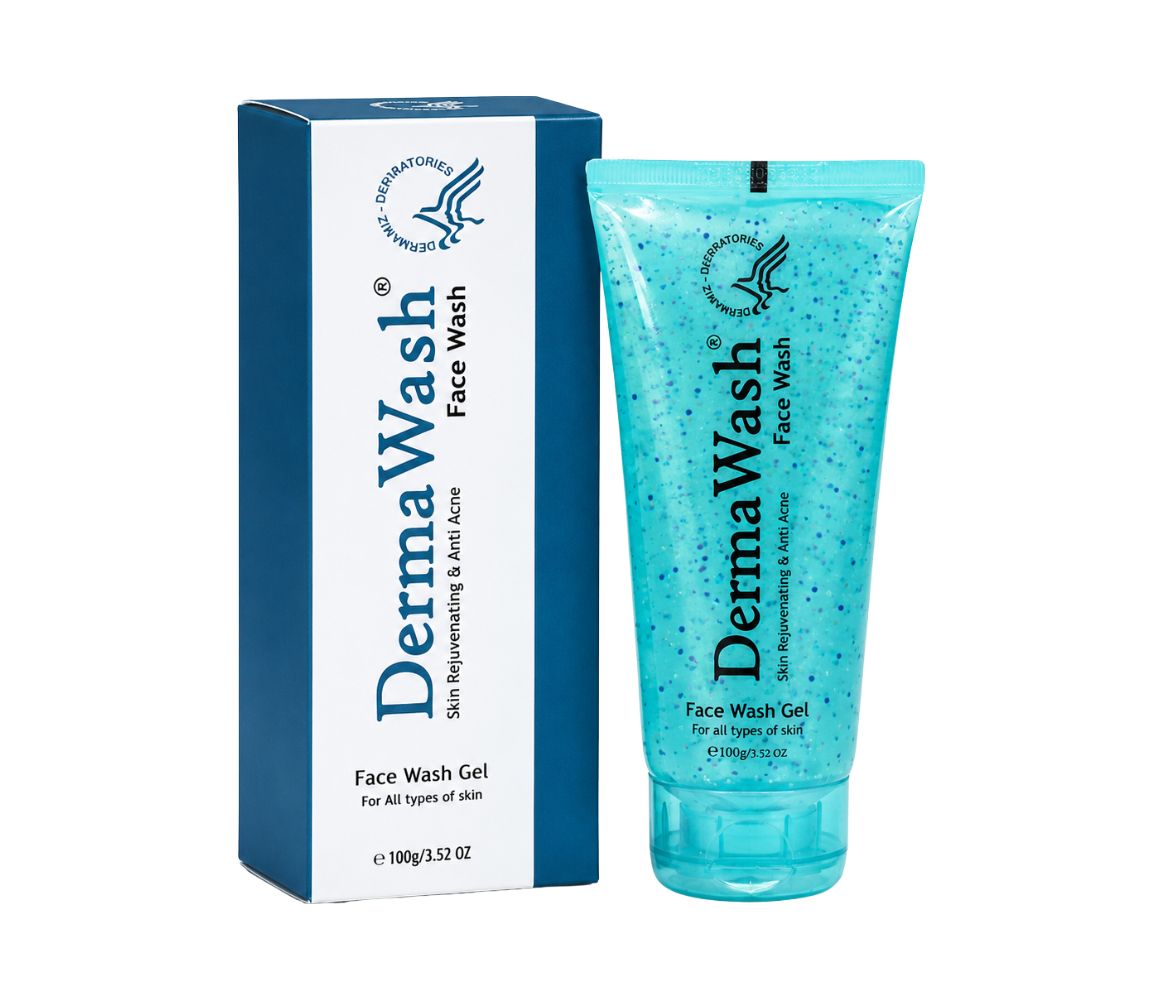
Cleansing should be mild. A gentle face wash such as DermaWash Face Wash can support daily cleansing without turning the routine too aggressive, depending on your skin type and tolerance.
Moisturiser is important because the barrier needs support. Look for formulas with barrier-friendly ingredients like ceramides, glycerin, hyaluronic acid, panthenol, squalane, fatty acids, or soothing ingredients. Mayo Clinic also recommends fragrance-free moisturisers for dry skin support and avoiding harsh products when the skin is dry or irritated.
Sunscreen is also important because irritated skin can be more vulnerable to sun-related darkening. Choose a comfortable sunscreen and avoid direct sun exposure as much as possible while the skin recovers.
Mild over-exfoliation may improve in a few days to two weeks if you stop the irritating products and support the barrier. More severe irritation can take longer. If your skin is burning, cracked, oozing, swollen, very painful, or not improving, you should see a dermatologist.
The recovery time depends on how damaged your skin barrier is, what products you were using, your skin type, and whether you stop the triggers. If you keep exfoliating while trying to repair your skin, healing will take longer.
Do not judge recovery only by glow. First, look for comfort. Your skin should stop burning. Tightness should reduce. Moisturiser should not sting. Redness and flaking should calm down. Once your skin feels normal again, then you can think about slowly reintroducing actives.
Once your skin has recovered, you do not need to avoid exfoliation forever. You just need to use it more carefully.
Start with one exfoliating product only. Do not restart with a full active routine. Use it once a week at first and watch how your skin responds. If your skin feels comfortable, you may increase slowly depending on your skin type. Dry and sensitive skin may need exfoliation less often. Oily and acne-prone skin may tolerate it more often, but even oily skin can get damaged.
Do not use exfoliating acids on the same night as retinoids unless your dermatologist has specifically planned that routine for you. Do not use strong exfoliation before or after waxing, shaving irritation, sunburn, or barrier damage. Do not use peeling products just because the skin feels slightly dull.
Exfoliation should fit into the routine quietly. It should not make your skin burn every week.
There is no perfect frequency for everyone. Some people may tolerate exfoliation two or three times a week. Some should do it once a week. Some with very sensitive, rosacea-prone, eczema-prone, or barrier-damaged skin may need to avoid exfoliation for long periods or use only dermatologist-guided products.
AAD recommends considering skin type before exfoliating and being careful because exfoliation can damage the skin when done incorrectly. It also explains that people with dry, sensitive, or acne-prone skin may need gentler methods.
Instead of following a fixed influencer routine, follow your skin’s response. If your skin becomes tight, red, flaky, shiny, burning, or rough, reduce exfoliation immediately.
Barrier repair is not about using ten products. It is about using the right simple products consistently. Ingredients like ceramides, glycerin, hyaluronic acid, panthenol, squalane, cholesterol, fatty acids, colloidal oatmeal, and gentle emollients can support dryness and irritation.
Cleveland Clinic suggests looking for ingredients such as ceramides, fatty acids, and lipids because these naturally make up a large part of the skin barrier.
A gentle moisturiser can make a big difference. If your skin is oily but irritated, choose a lightweight barrier moisturiser. If your skin is dry and flaky, choose a richer cream. If your skin is burning from almost everything, avoid fragrance and keep the ingredient list simple.
During recovery, avoid strong exfoliating acids, peeling solutions, physical scrubs, rough cleansing brushes, fragrance-heavy products, strong vitamin C, retinoids, benzoyl peroxide, harsh acne face washes, and alcohol-heavy toners. You should also avoid home remedies like lemon juice, baking soda, toothpaste, or harsh DIY scrubs because they can irritate the skin further.
Do not keep changing products every two days. Damaged skin needs consistency. A simple routine used calmly for two to four weeks can often help more than constantly searching for a new “repair hack.”
You should see a dermatologist if your skin is severely red, swollen, painful, cracked, oozing, bleeding, or burning for many days. You should also get help if pigmentation worsens, acne becomes painful, rashes appear, or your skin reacts to almost every product.
Sometimes what looks like over-exfoliation may actually be eczema, rosacea, allergic contact dermatitis, fungal infection, acne flare, or another skin condition. In that case, simply applying moisturiser may not be enough.
Professional guidance is especially important if you are using prescription retinoids, acne medicines, steroid creams, or strong peels.
Over-exfoliated skin may look dull, red, rough, flaky, shiny, irritated, or patchy. It may also feel tight, burning, sensitive, itchy, or uncomfortable after applying normal skincare products.
Your skin may look dull after exfoliating because the barrier has become dry or irritated. Dullness is not always dead skin buildup. Sometimes it is dehydration and barrier damage.
Yes, over-exfoliation can irritate the skin and may trigger acne-like bumps or worsen existing acne. AAD warns that exfoliation done incorrectly can increase redness or acne breakouts.
Yes, moisturiser is important. Choose a gentle, fragrance-free, barrier-supporting moisturiser with ingredients like ceramides, glycerin, panthenol, hyaluronic acid, or fatty acids.
Yes, sunscreen is important, but choose a gentle formula that does not sting. Irritated skin can be more vulnerable to sun-related darkening and discomfort.
For mild irritation, stop exfoliation until the skin feels normal again. This may take a few days to a few weeks. If symptoms are severe or not improving, see a dermatologist.
Be careful. Retinol and exfoliating acids can both make skin more sensitive. Using them together without building tolerance can increase dryness, peeling, and irritation.
Not always. Mild flaking may happen with some actives, but burning, painful peeling, redness, and tightness are signs of irritation, not healthy progress.
Physical scrubs are not suitable for everyone. Rough scrubs can irritate acne-prone, dry, sensitive, or pigmentation-prone skin. Gentle chemical exfoliation may be better for some people, but it should still be used carefully.
Use a gentle cleanser, simple moisturiser, and sunscreen. Stop scrubs, acids, retinoids, and strong actives until your skin barrier feels calm again.
Over-exfoliation happens when scrubs, acids, peeling solutions, active cleansers, or too many strong products damage the skin barrier. Instead of glowing, the skin may become dull, red, rough, flaky, tight, burning, sensitive, or breakout-prone. Indian skin may also develop darker patches after irritation. The best fix is to pause exfoliation, simplify the routine, use a gentle cleanser, moisturise well, apply sunscreen, and avoid strong actives until the skin feels normal again. Exfoliation can be useful, but only when used slowly and according to your skin type.
Exfoliation can make skin smoother and brighter when done correctly, but over-exfoliation can do the opposite. If your skin looks dull, red, rough, flaky, tight, or irritated, it may not need more acid or more scrubbing. It may need rest.
Healthy skin depends on a strong skin barrier. When the barrier is damaged, even good skincare products can start feeling uncomfortable. That is why the smartest routine is not always the strongest routine. Sometimes the best routine is a gentle cleanser, a good moisturiser, sunscreen, and patience.
For Indian skin, this matters even more because irritation can lead to dark marks and uneven tone. Do not chase instant glow by damaging your barrier. Use exfoliation carefully, avoid mixing too many actives, and give your skin time to recover.
Glowing skin does not come from overdoing skincare. It comes from balanced skincare.
DISCLAIMER : This website provides general information for educational purposes only and should not be considered a substitute for professional medical advice, diagnosis, or treatment. Always seek the guidance of a qualified healthcare professional with any questions you may have regarding a medical condition. Do not disregard professional medical advice or delay seeking it because of information you've read on this website. Your health is important – when in doubt, consult a doctor.