Your shopping cart
😊 Product added to cart successfully
Product removed to cart successfully

The modern skincare landscape is saturated with promising molecules and ingredients that claim to turn back the clock. Among the most discussed compounds in clinical aesthetic medicine are hyaluronic acid and Polydeoxyribonucleotide, commonly known as PDRN. While both of these ingredients are celebrated for their ability to transform tired, ageing, or dry skin, they operate on completely different biological levels. Choosing the right one for your routine requires understanding how they interact with cellular pathways to rescue compromised tissue.
To make an informed choice, we must look beyond superficial marketing claims. Let us dive deep into the clinical science, mechanical functions, and real-world performance of both PDRN and hyaluronic acid so you can design a regimen that truly delivers results.
To understand hyaluronic acid, it is helpful to look at it as the ultimate biological sponge. Hyaluronic acid is a naturally occurring glycosaminoglycan found throughout the connective tissues of the body, with more than half of its total concentration located in the skin. Its primary characteristic is an unparalleled capacity to attract and hold water molecules, binding up to one thousand times its physical weight in moisture.
When applied topically, hyaluronic acid acts as a powerful humectant. It draws moisture from the surrounding environment and from the deeper layers of the dermis up into the stratum corneum, the outermost layer of the skin. This process creates an immediate plumping effect, smoothing out fine lines caused by dehydration and restoring a healthy, bouncy texture.
However, hyaluronic acid does have limitations. Because many topical formulations use high molecular weight molecules, the ingredient often sits on top of the skin barrier rather than penetrating deeply. While this is excellent for preventing trans-epidermal water loss, it does not repair underlying structural damage or change how your cells behave over time. If your skin barrier is compromised, topical hyaluronic acid can actually draw moisture out of the deeper skin layers, leaving you drier than before. This is why incorporating targeted solutions like Skin Barrier Repair & Intensive Hydrators is essential to seal that hydration into the deeper tissues.
If hyaluronic acid is the skin's hydrator, PDRN is its genetic repair technician. Polydeoxyribonucleotide is a mixture of deoxyribonucleotides derived from the controlled purification of salmon DNA. This source is highly biocompatible with human DNA, meaning our skin cells can easily recognize and utilize these molecules without triggering an adverse immune response.
Rather than simply coating the skin or pulling in external moisture, PDRN works at a cellular level. It acts as an agonist for the adenosine A2A receptors located on the surface of your skin cells. When these receptors are activated, they trigger a cascade of regenerative processes:
This makes PDRN incredibly effective for wound healing, fading deep acne scars, and reversing structural thinning. Instead of just masking dryness, it structurally remodels the tissue from within.
Choosing between these two powerhouses comes down to identifying your primary skin goals. Are you looking for immediate surface-level glow, or are you trying to repair deep-seated cellular damage?
Hyaluronic acid works primarily on the surface and within the upper layers of the epidermis to regulate water balance. It does not alter cellular function or repair damaged genes. PDRN, on the other hand, penetrates deep into the dermis to communicate directly with fibroblasts and immune cells, altering how the tissue repairs itself.
Hyaluronic acid delivers almost instantaneous gratification. Within minutes of application, the skin looks plumper, softer, and more hydrated. However, these effects are temporary and will wash away once the product is discontinued. PDRN requires patience. Because it relies on cellular division and collagen synthesis, visible changes in skin density, elasticity, and scar reduction typically take four to six weeks to manifest. The benefit of PDRN is that these structural improvements are long-lasting and cumulative.
Hyaluronic acid is ideal for anyone suffering from acute dehydration, rough texture, or temporary flakiness. PDRN is the superior choice for those dealing with chronic loss of elasticity, deep wrinkles, sun damage, persistent redness, or stubborn post-acne scarring.
While comparing PDRN and hyaluronic acid is highly educational, the truth is that you do not have to choose just one. In fact, combining their mechanisms of action can produce dramatic, synergistic improvements in overall skin quality.
When we look at comprehensive anti-aging, addressing structural laxity is paramount. Combining the cellular renewal properties of PDRN with advanced topical retinoids or peptide complexes, such as Retinal & Botox-Alternative Anti-Ageing Serums, provides a complete multi-layered approach to lifting and smoothing mature skin.
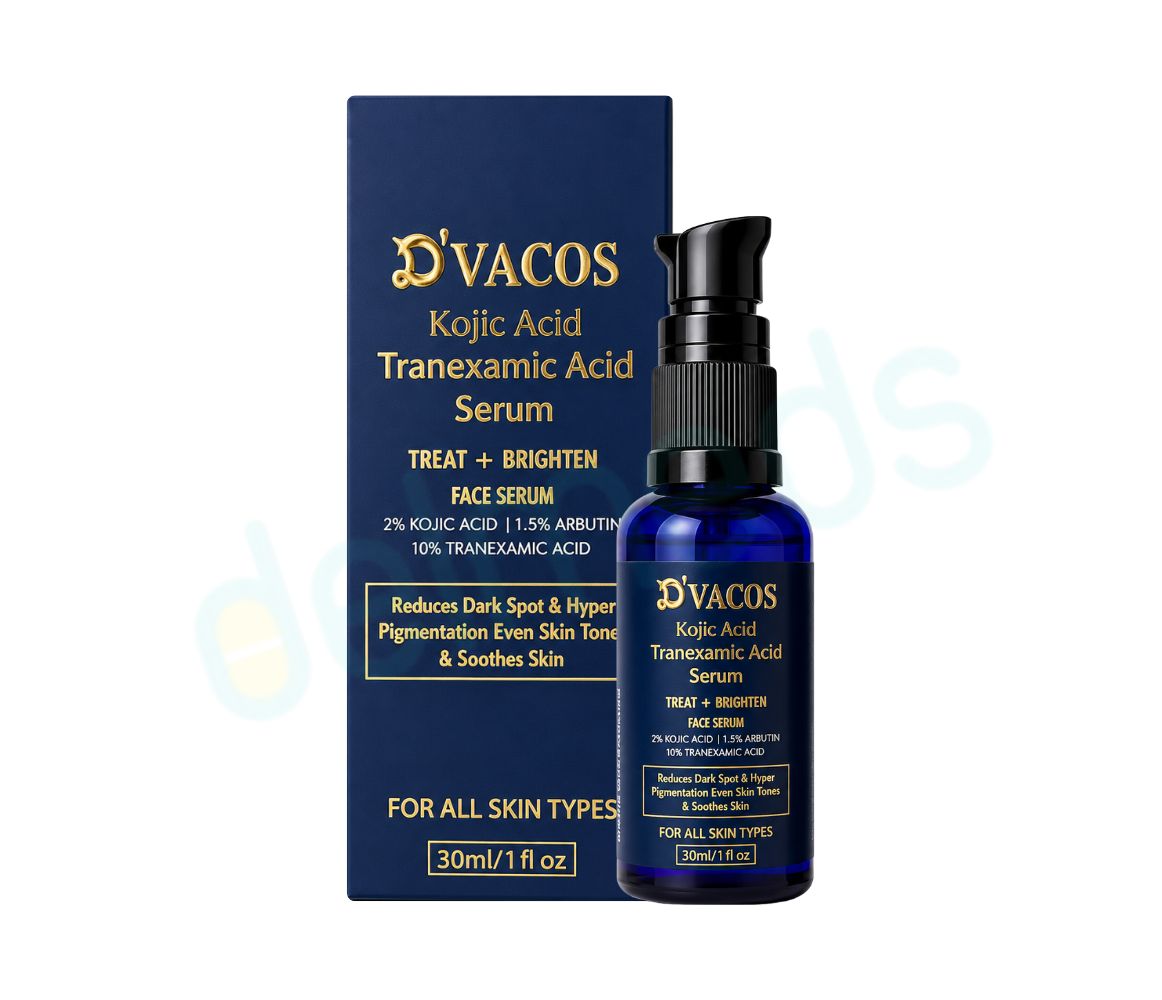
For those struggling with the visual aftermath of inflammatory damage, such as dark spots or melasma, pairing PDRN with targeted brightening agents is highly effective. Utilizing PDRN to rebuild damaged dermal structures while integrating Kojic & Tranexamic Acid Hyperpigmentation Serums helps clear stubborn discoloration much faster than using exfoliating acids alone.
Of course, no amount of cellular repair will protect your skin if you neglect daily defence. UV radiation is the primary driver of both collagen degradation and hyaluronic acid depletion. Applying broad-spectrum protection, particularly high-quality Mineral & Tinted Sunscreens, prevents future environmental breakdown and allows your active ingredients to perform their restorative work undisturbed.
It is also worth noting that cellular regeneration concepts are not restricted to the face. The very same principles of micro-vascular support and tissue nourishment are highly successful when applied to the scalp. If you are experiencing structural thinning or hair shedding, integrating dedicated treatments like Clinical Hair Growth Serums & Kits can help revitalize sluggish follicles using similar biological principles.
To maximise the efficacy of both ingredients without overwhelming your skin barrier, structure your routine with a logical progression.
Start by cleansing with a gentle, non-stripping wash. On damp skin, apply your hyaluronic acid serum to lock in immediate moisture. Follow this with a barrier-supportive moisturizer to prevent trans-epidermal water loss. Finish your routine with a generous layer of physical photoprotection to shield your cells from UV-induced degradation.
After thoroughly cleansing to remove dirt and environmental pollutants, apply your PDRN serum directly to clean skin. Because PDRN works on cellular receptors, you want it as close to the skin as possible without any barrier blocking its absorption. Allow it to sink in for a few minutes. Next, apply your chosen targeted anti-ageing or brightening treatments, and seal everything in with a nourishing, lipid-rich moisturiser.
Hyaluronic acid is a molecular humectant that excels at attracting and retaining water in the skin layers, providing temporary plumping. PDRN is a cellular regenerator derived from DNA fragments that actively signals fibroblasts to produce new collagen, repair DNA damage, and reduce inflammation at a deep biological level.
Yes, they complement each other perfectly. Hyaluronic acid supplies the immediate moisture and volume needed for the extracellular matrix, while PDRN works behind the scenes to rebuild the structural framework and heal damaged cells.
While hyaluronic acid shows results almost instantly, PDRN requires time to stimulate cellular pathways. Most users begin to see noticeable improvements in skin elasticity, scar healing, and overall texture after four to six weeks of consistent daily use.
PDRN is highly biocompatible and possess strong anti-inflammatory properties, making it excellent for sensitive, reactive, or acne-prone skin. It helps calm active redness and accelerates the healing of blemishes without clogging pores.
Cosmetic PDRN is typically sourced and purified from salmon trout germ cells. This source is chosen because its DNA structure is highly stable and incredibly similar to human DNA, ensuring high safety profiles with virtually no risk of allergic reactions.
Yes, if hyaluronic acid is applied to completely dry skin in a very dry environment, it can pull water from the deeper layers of your dermis to hydrate the surface. To prevent this, always apply it to damp skin and seal it immediately with an occlusive moisturizer.
They work differently and can be used together. Retinol accelerates cellular turnover on the surface to clear away dull skin, whereas PDRN repairs the deeper dermal structures and stimulates collagen production through purinergic receptor activation.
Acne scars are the result of damaged dermal tissue and disorganised collagen. PDRN promotes angiogenesis, bringing fresh oxygen and nutrients to the scarred area, while signalling fibroblasts to lay down healthy, organised collagen fibres to smooth out the skin texture.
Yes, clinical studies show that applying PDRN post-procedure, such as after microneedling, laser resurfacing, or chemical peels, significantly reduces downtime, calms erythema, and enhances the overall regenerative outcome of the treatment.
Younger skin looking to maintain simple hydration and preventative care will benefit greatly from hyaluronic acid. Mature skin experiencing structural sagging, thinning, fine lines, or sun damage will benefit more from the regenerative capabilities of PDRN.
To simplify your decision, here is a quick reference guide:
DISCLAIMER : This website provides general information for educational purposes only and should not be considered a substitute for professional medical advice, diagnosis, or treatment. Always seek the guidance of a qualified healthcare professional with any questions you may have regarding a medical condition. Do not disregard professional medical advice or delay seeking it because of information you've read on this website. Your health is important – when in doubt, consult a doctor.