Your shopping cart
😊 Product added to cart successfully
Product removed to cart successfully

I remember the morning I woke up with my face feeling like it was literally on fire. It was not a sunburn. It was a completely self inflicted chemical burn from my very own skincare routine. In my relentless quest for flawless skin, I had applied a potent glycolic acid toner, followed immediately by a high strength retinol, and capped it off with a pure vitamin C serum. Within twenty four hours, my cheeks were raw, red, flaky, and weeping. I had completely stripped my skin barrier.
That painful experience taught me that skincare is not just about choosing high quality ingredients. It is about understanding how these ingredients interact on a biological level. Today, we are going to dive deep into the science of cosmetic chemistry so you can avoid making these same devastating mixing mistakes.
Your skin barrier, known scientifically as the stratum corneum, is your body's first line of defence against the outside world. Think of it as a brick wall. The skin cells are the bricks, and lipids like ceramides, cholesterol, and fatty acids are the mortar. When this lipid mortar is intact, moisture stays locked in, and external irritants, bacteria, and allergens stay locked out.
When we misuse active ingredients, we strip away this vital mortar. Overusing harsh acids, combining incompatible pH levels, or layering too many potent serums at once forces the skin into a state of chronic inflammation. This not only causes immediate redness and peeling, but it also accelerates premature aging, worsens acne, and makes your skin incredibly sensitive to almost everything you apply.
To keep your skin healthy and glowing, you must understand which ingredients are natural enemies when applied at the same time.
Retinoids, including retinol and retinal, are the gold standard for accelerating cellular turnover and boosting collagen production. On the other hand, Alpha Hydroxy Acids like glycolic acid and Beta Hydroxy Acids like salicylic acid work by dissolving the bonds between dead skin cells to exfoliate the surface.
When you use these together in the same routine, you are essentially doubling down on exfoliation. The combination completely strips the lipid barrier, leading to immediate flaking, redness, and deep sensitivity. Instead of layering them, use your acids in the morning or on alternate nights, and reserve your Retinal and Botox-Alternative Serums exclusively for your evening routine to allow your skin cells to renew without irritation.
This is a classic debate in the dermatology world. Vitamin C is a highly unstable antioxidant that typically requires a low, acidic pH of around 3 to 3.5 to penetrate the skin effectively. Niacinamide, a form of vitamin B3, works best at a neutral pH of around 5 to 6.
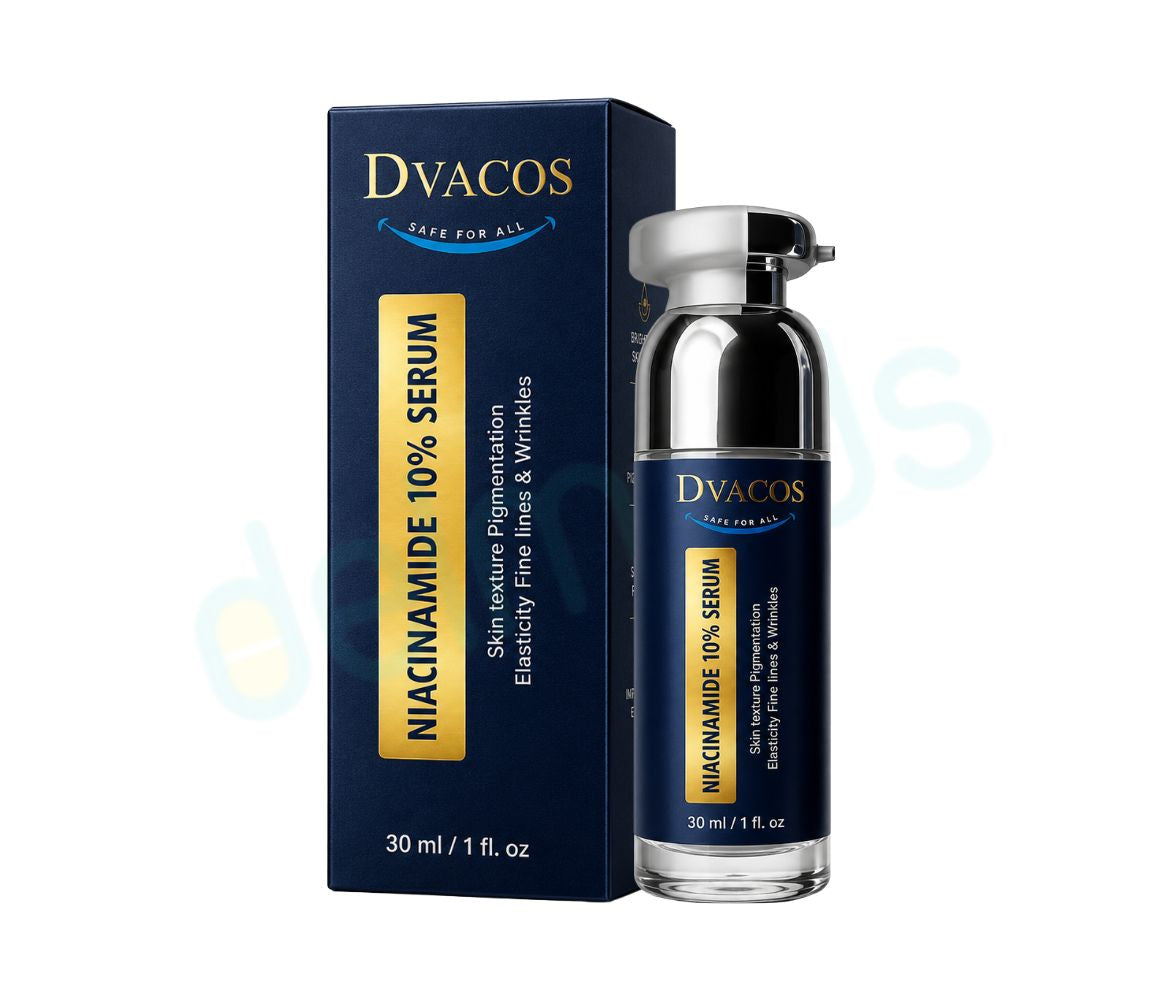
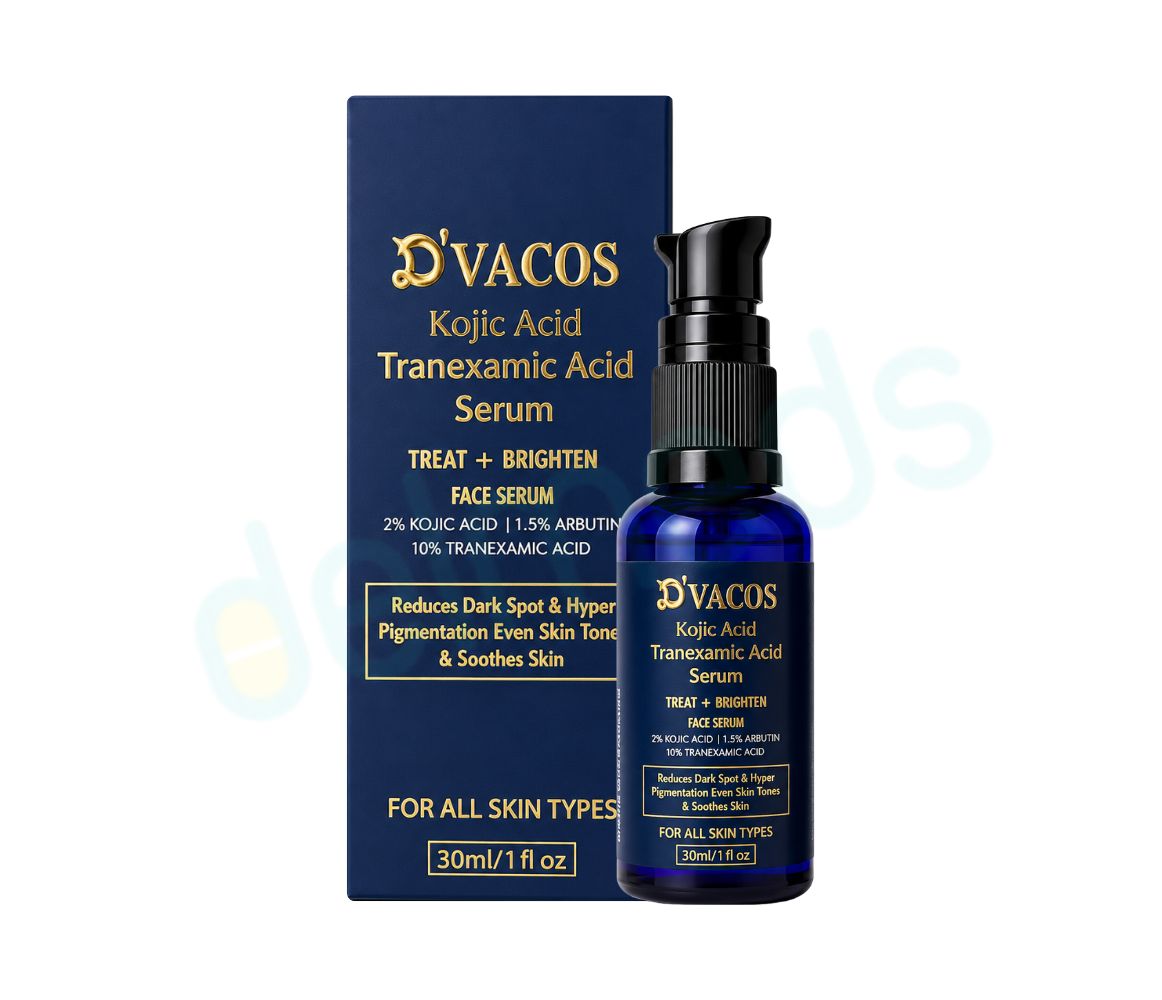
When you mix these two ingredients directly, the niacinamide can raise the pH of the vitamin C, making both ingredients far less effective. Furthermore, this combination can trigger a chemical reaction that produces nicotinic acid, which causes temporary yet intense skin flushing, heat, and redness. If you want the benefits of both, apply your vitamin C in the morning to fight environmental damage, and use dedicated Pigmentation Correctors & Brightening Serums containing niacinamide in your nighttime routine.
If you struggle with breakouts, you have probably reached for both of these ingredients. However, using them together is a major mistake. Benzoyl peroxide is an oxidizing agent designed to kill acne causing bacteria. Retinol, conversely, is an antioxidant that is highly sensitive to oxidation.
When applied together, the benzoyl peroxide literally oxidizes and deactivates the retinol, rendering both products completely useless while simultaneously dry-heaving your skin into extreme dehydration and flakiness. Use benzoyl peroxide as a spot treatment in the morning and save your retinoids for the evening.
It is easy to fall into the trap of thinking that if glycolic acid is good, adding lactic acid and salicylic acid to the mix will make it even better. This is a fast track to a damaged skin barrier. Each acid targets different layers of the skin. Combining too many acids at once completely strips your natural oils, leaving your skin raw, highly vulnerable to bacteria, and incredibly shiny but dry, which is a classic sign of over exfoliation.
Whenever you use active ingredients like exfoliating acids, retinoids, or skin brighteners, your skin becomes significantly more sensitive to ultraviolet radiation. The fresh, new skin cells brought to the surface are easily damaged by UVA and UVB rays, leading to rapid hyperpigmentation, collagen degradation, and a weakened immunity barrier.
This is why daily sun protection is absolutely non negotiable. To protect your recovering skin without clogging pores or causing further irritation, you must rely on advanced, lightweight Broad-Spectrum Sunscreen Gels that provide robust physical and chemical shields while soothing dry, sensitive skin types.
External skincare is only half the battle. When your skin barrier is compromised, your body needs the right internal building blocks to rebuild and repair. Incorporating specialised Nutraceuticals & Skin-Hair Supplements into your daily wellness routine helps supply essential antioxidants, vitamins, and cellular support that accelerate barrier repair from within, resulting in a healthier, more resilient complexion.
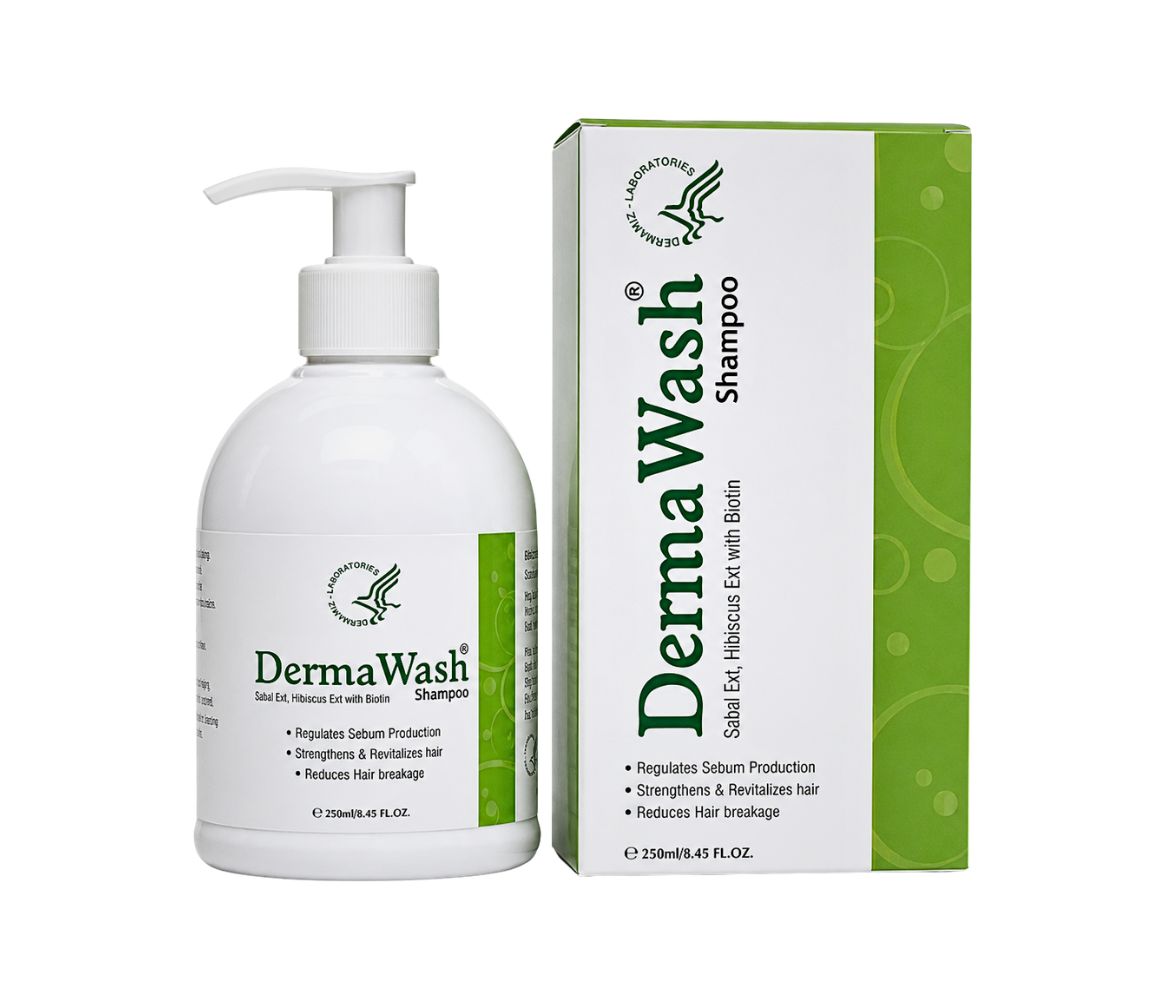
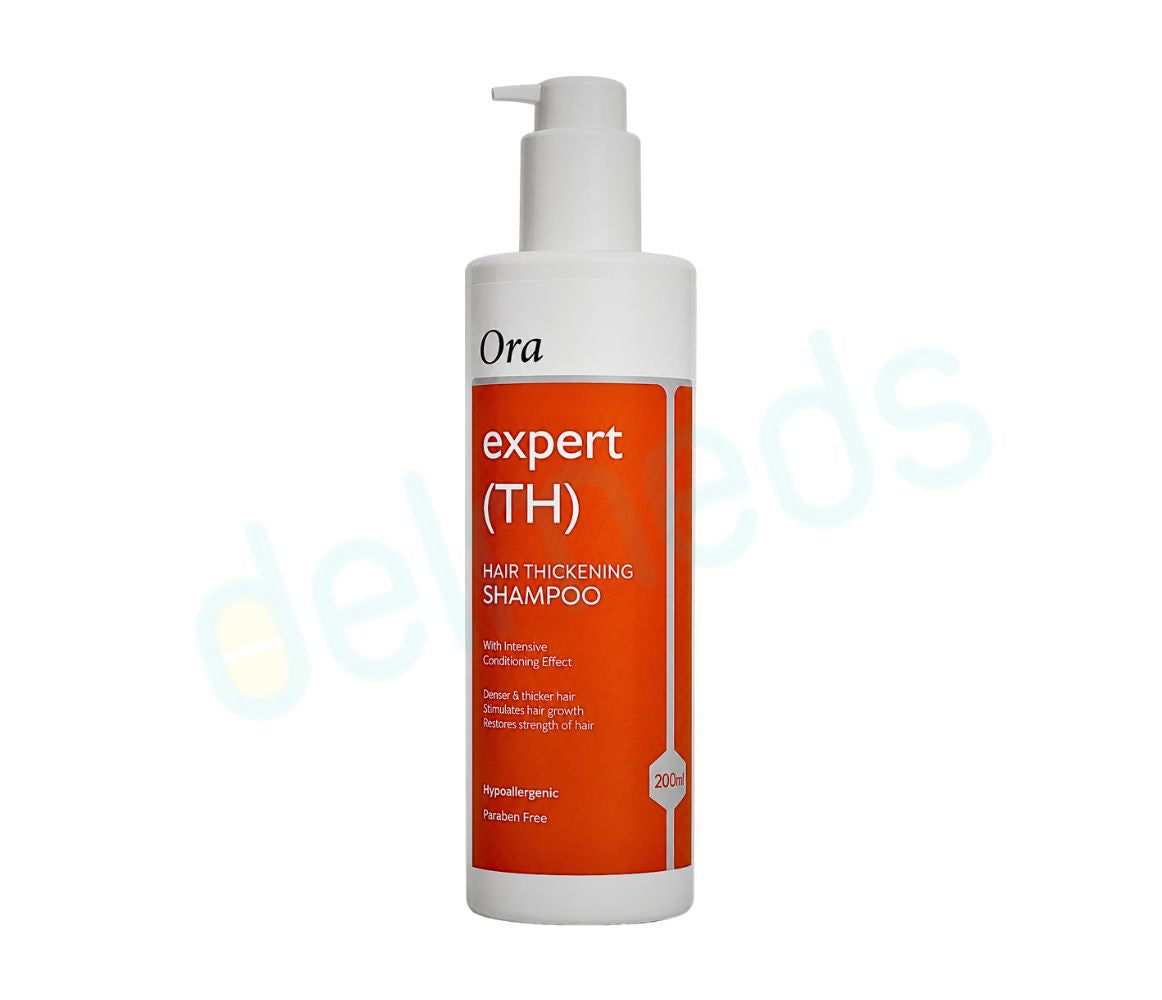
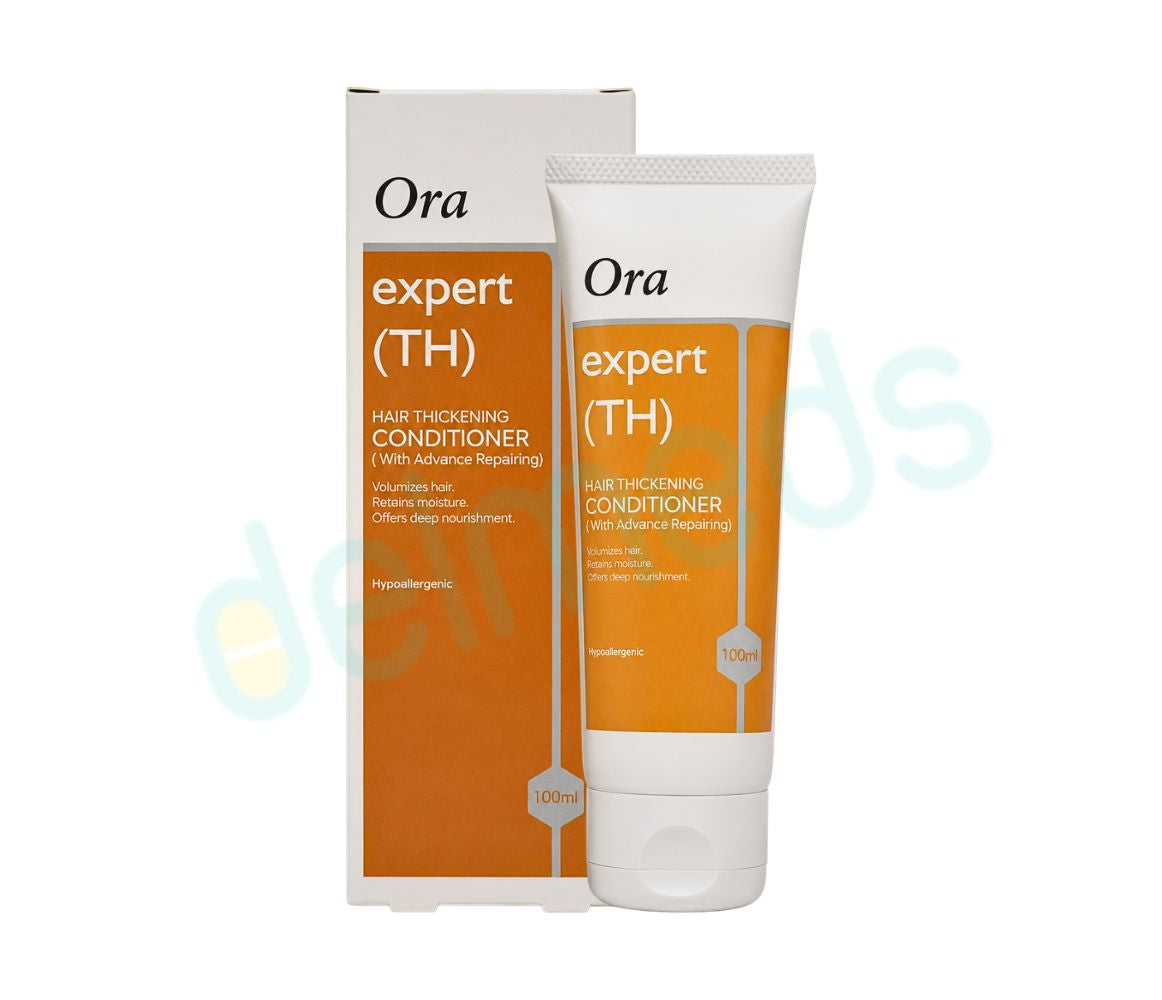
Additionally, do not forget that your scalp is an extension of your face. Often, harsh facial treatments can migrate to the hairline, causing dryness and irritation. Keeping your scalp healthy and hydrated with Targeted Hair Growth and Thickening Solutions ensures that your entire head and face barrier remains perfectly balanced and nourished.
No, it is highly recommended to separate them. Vitamin C requires an acidic environment to absorb, while retinol works best at a higher pH. Using them together reduces their efficacy and causes extreme skin irritation. Use vitamin C in the morning and retinol at night.
Never mix retinoids with exfoliating acids (AHAs/BHAs), benzoyl peroxide with retinol, or high concentrations of vitamin C with niacinamide. These combinations cause severe barrier damage and product deactivation.
Yes, absolutely. Hyaluronic acid and niacinamide are a fantastic combination. They work together to deeply hydrate and soothe the skin, helping to reinforce your natural moisture barrier without any risk of irritation.
Mixing these two ingredients causes intense drying, redness, and peeling. Salicylic acid removes surface lipids, making the skin highly sensitive, which causes the retinol to penetrate too deeply and cause chemical irritation.
Common signs of a damaged skin barrier include persistent redness, burning sensations when applying basic moisturizers, unusual flakiness, tightness, sudden breakouts, and a strangely shiny but dry appearance.
While some pre formulated products blend these safely at low percentages, layering separate glycolic and salicylic acid products can easily lead to over exfoliation and barrier damage.
Depending on the severity of the damage, it typically takes anywhere from two to four weeks of a minimal, hydrating routine to fully restore your skin barrier.
No, you should never mix sunscreen with your moisturiser. Doing so dilutes the UV filters and leaves your skin unprotected. Always apply your moisturizer first, let it absorb fully, and then apply standalone Broad-Spectrum Sunscreen Gels as your final skincare step.
No, copper peptides can oxidise vitamin C, making both ingredients completely ineffective and potentially causing skin discolouration and irritation.
Using them together can be extremely drying. It is best to use salicylic acid as an all-over treatment and benzoyl peroxide strictly as a localised spot treatment to avoid stripping the skin.
DISCLAIMER : This website provides general information for educational purposes only and should not be considered a substitute for professional medical advice, diagnosis, or treatment. Always seek the guidance of a qualified healthcare professional with any questions you may have regarding a medical condition. Do not disregard professional medical advice or delay seeking it because of information you've read on this website. Your health is important – when in doubt, consult a doctor.