Your shopping cart
😊 Product added to cart successfully
Product removed to cart successfully

The search for clear skin often leads us down a path of trying countless products, from clinical formulations to raw, natural remedies. Among the most popular natural alternatives is tea tree oil, a botanical extract celebrated for its remarkable ability to fight blemishes. But does this potent essential oil actually work, or is it just another overhyped trend? To understand its true clinical efficacy, we must examine the science behind this botanical extract, explore the proper ways to integrate it into your skincare routine, and learn how to protect your skin barrier during the recovery process.
Let me share a personal experience that taught me a valuable lesson about the power of natural ingredients. Years ago, before I understood the complexities of skincare formulation, I woke up with a painful, deep cyst right on my chin. Desperate for a quick fix, I reached for a bottle of pure tea tree oil. I poured a generous amount onto a cotton swab and applied it directly to the bump, skipping any form of dilution or patch testing.
Within hours, my skin began to feel incredibly tight and hot. By the next morning, I did not have a cleared breakout, instead, I had a painful, red chemical burn right on top of the pimple. The raw patch of skin eventually healed, but it left behind a dark, stubborn mark that took months of intensive care to fade. This experience taught me that while natural remedies can be highly effective, they must be treated with the same respect and scientific understanding as any clinical prescription.
To understand why tea tree oil is so highly regarded for acne care, we must look at its chemical composition. Extracted from the leaves of the Melaleuca alternifolia plant, which is native to Australia, this essential oil contains over one hundred organic compounds. The primary active component responsible for its therapeutic properties is terpinen 4 ol.
In the world of dermatology, the main bacterium responsible for inflammatory breakouts is Cutibacterium acnes. When excess sebum and dead skin cells clog a pore, this bacterium multiplies rapidly, triggering an immune response that leads to redness, swelling, and pus. Terpinen 4 ol acts as a powerful antimicrobial agent. It penetrates the pore lining and destabilizes the cell membrane of the bacteria, effectively neutralizing the infection before it can spread.
Acne is fundamentally an inflammatory skin condition. Even after the bacteria are addressed, the body continuing immune response can keep the skin red, swollen, and painful. Scientific research indicates that tea tree oil suppresses the production of inflammatory cytokines, which are the signaling molecules that trigger swelling and redness in the skin tissue. By calming this inflammatory response, the oil helps reduce the size and discomfort of angry, cystic lesions.
When evaluating any natural acne treatment, it is essential to compare its performance against established dermatological standards. For decades, benzoyl peroxide has been the gold standard for over the counter acne treatments due to its ability to introduce oxygen into the pore and kill anaerobic bacteria.
In a landmark clinical study, researchers compared the efficacy of a five percent tea tree oil gel with a five percent benzoyl peroxide lotion. The findings revealed that both treatments significantly reduced the number of active acne lesions over the course of the study. While benzoyl peroxide showed slightly faster results in the initial weeks, the tea tree oil group achieved comparable clearing by the end of the trial. More importantly, the participants using tea tree oil experienced significantly fewer side effects, reporting far less dryness, peeling, and irritation than those using the synthetic alternative.
Because pure essential oils are highly concentrated, they must never be applied directly to the skin. Doing so can disrupt the delicate lipid barrier, leading to contact dermatitis, increased sensitivity, and severe peeling. To safely utilize tea tree oil, you must dilute it using a non comedogenic carrier medium.
For acne prone skin, you must select a lightweight carrier oil that has a low comedogenic rating to avoid clogging your pores. Jojoba oil is the gold standard because its chemical structure closely mimics human sebum, allowing it to balance oil production without causing congestion. Other excellent options include squalane oil, which is highly stable and biomimetic, or rosehip seed oil, which contains beneficial fatty acids that aid in skin repair.
For general acne application, aim for a concentration of one percent to five percent.
To create a one percent dilution: Mix three drops of pure tea tree oil with one tablespoon of your chosen carrier oil.
To create a five percent dilution: Mix fifteen drops of pure tea tree oil with one tablespoon of your carrier oil.
Before applying the mixture to your face, apply a small drop of the diluted oil to your inner forearm. Wait twenty four hours to ensure your skin does not develop any redness, itching, or swelling. If your skin remains calm, you can proceed with facial application.
Using a clean cotton swab, gently dab the diluted mixture directly onto active blemishes after cleansing your skin. For best results, incorporate this step into your nighttime skincare routine, allowing the active compounds to work overnight while your skin is in its natural regenerative cycle.
As active acne lesions begin to heal, the skin enters a critical recovery phase. The newly formed skin tissue is thin, delicate, and highly susceptible to damage. Exposure to ultraviolet radiation during this period triggers an overproduction of melanin, turning temporary red marks into long lasting dark spots. This concern makes proper sun protection an essential part of acne recovery.
To prevent this darkening and support the barrier, incorporating Mineral Sunscreens & Post-Acne Healing protocols is non negotiable. Physical sunscreens containing zinc oxide are highly recommended during this phase because they do not chemical heat the skin, instead, they form a physical barrier that reflects UV rays while actively soothing inflammation.
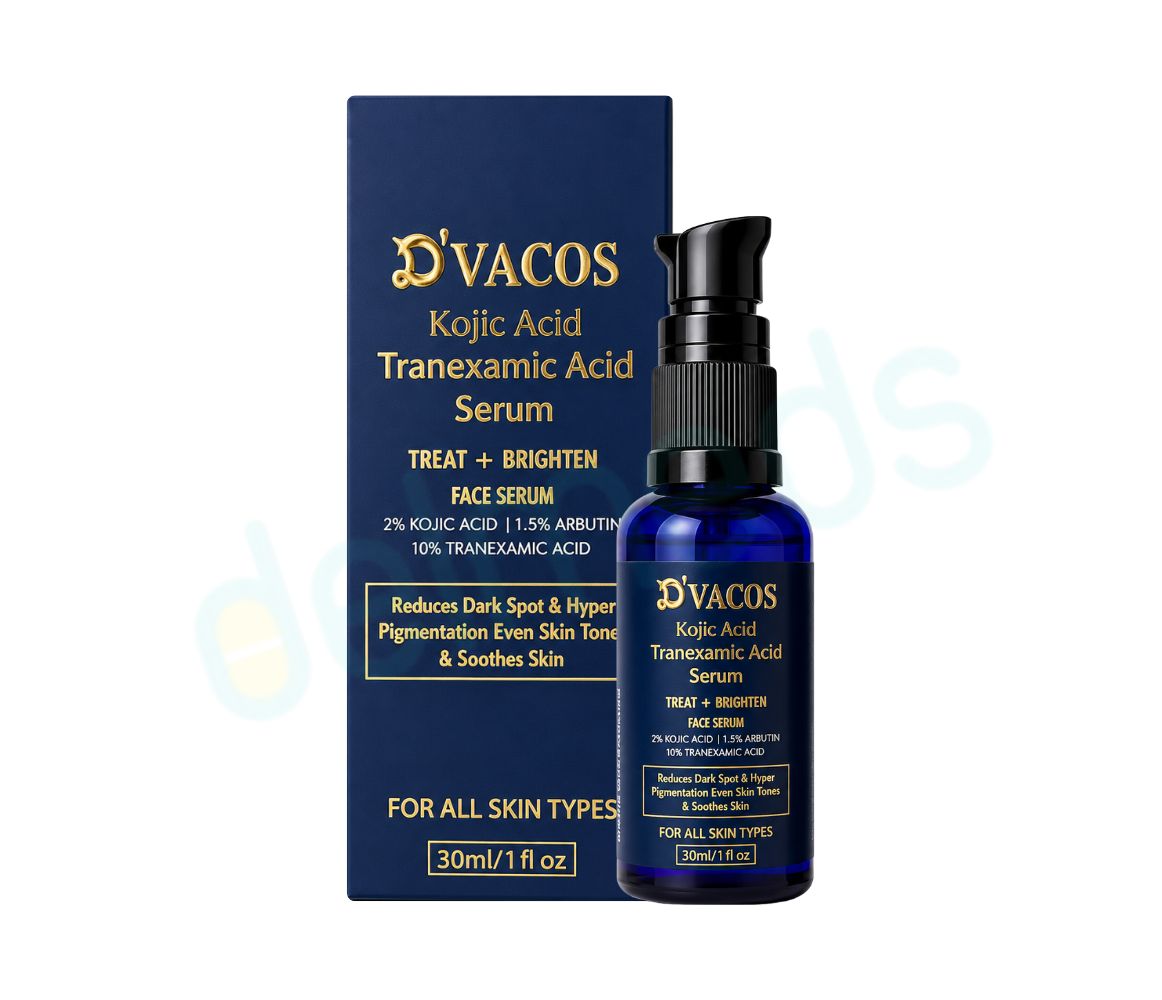
If you are already dealing with stubborn pigmentation left behind by past breakouts, relying solely on natural oils may not yield the desired results. To effectively fade these dark marks, you must target the chemical pathways of melanin production. Combining botanical acne care with a specialized treatment like the D'Vacos Kojic & Tranexamic Acid Face Serum can dramatically speed up your recovery. This clinical formulation utilizes active ingredients that work synergistically to lighten hyperpigmentation and even out your skin tone without causing irritation.
For a truly holistic approach, you must also support your skin health from within. Systemic oxidative stress can slow down skin repair and make breakouts more frequent. Utilizing oral antioxidant support, such as Glutasip & Ega Glow Nutraceutical Tablets, helps neutralize free radicals, promoting a brighter complexion and supporting cell regeneration from the inside out.
Skin behavior is deeply influenced by internal hormonal shifts. As we age, or during major biological transitions like menopause, a decline in estrogen can lead to a significant loss of skin density, intense dryness, and slower healing times. If your skin is struggling to recover from breakouts during these life stages, utilizing specialized Menopause & Collagen-Boosting Skincare strategies will help rebuild lost structural collagen, reinforcing your skin defenses against both aging and inflammatory flares.
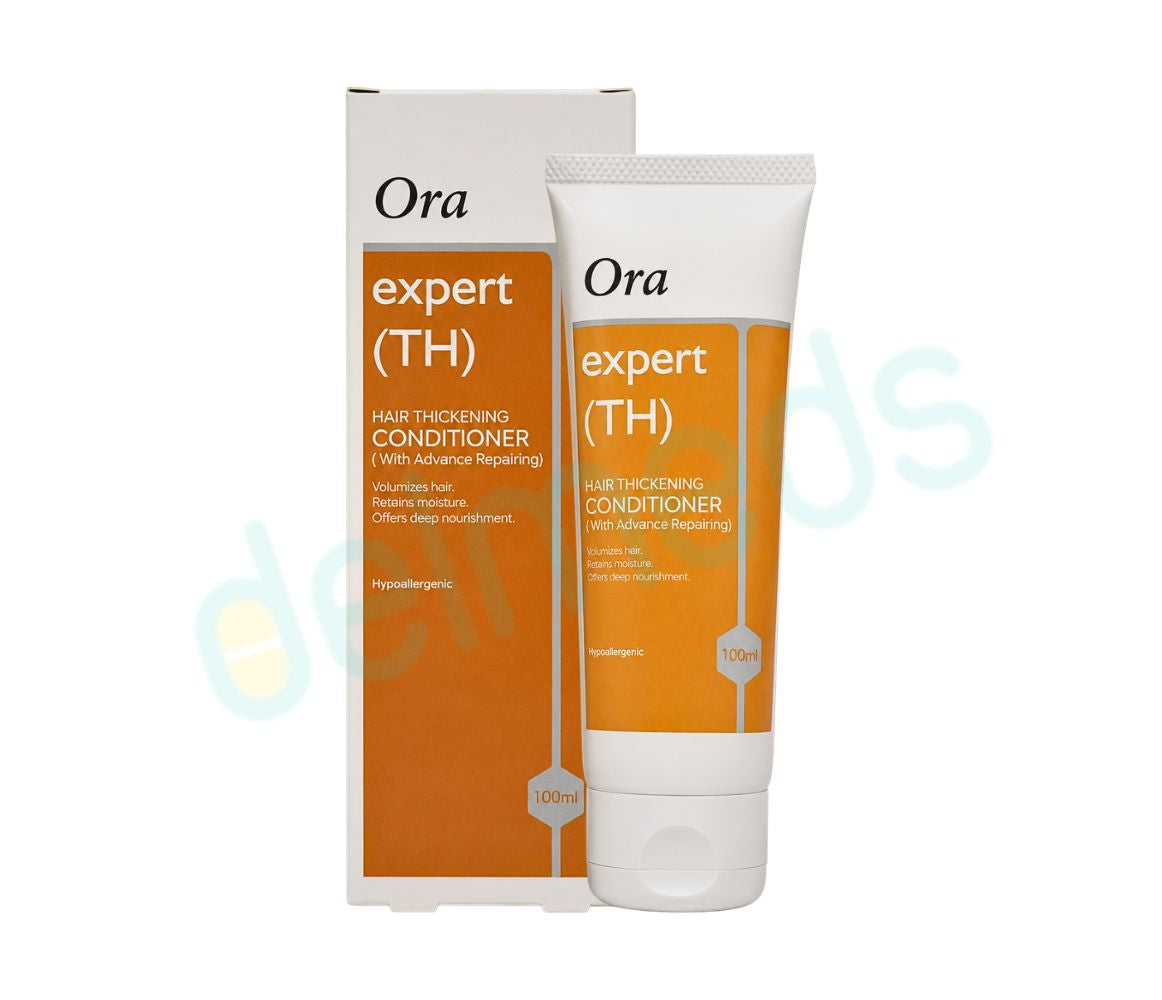
Additionally, hormonal fluctuations can affect the health of your scalp, sometimes leading to irritation, excess sebum production, or hair thinning. For comprehensive wellness, addressing follicle health is key. A clinical scalp solution like Recapro Hair Growth Serum & Scalp Therapy can optimize microcirculation and strengthen hair follicles, ensuring your scalp microbiome remains healthy and balanced.
No, you should never apply pure, undiluted tea tree oil directly to your skin. It is highly concentrated and can cause contact dermatitis, chemical burns, and severe peeling. Always dilute it with a non comedogenic carrier oil like jojoba oil before application.
Consistency is essential when using botanical remedies. While some reduction in swelling can occur within days, clinical studies show that significant clearing of acne lesions typically requires four to six weeks of daily, consistent application.
Yes, if used incorrectly. Applying it undiluted can damage your skin barrier, making it easier for bacteria to penetrate. Furthermore, diluting it with heavy, pore clogging oils like coconut oil can trigger new breakouts. Always use lightweight, non comedogenic carrier oils.
They serve different purposes. Salicylic acid is a chemical exfoliant that dissolves pore clogging debris, making it excellent for blackheads. Tea tree oil is a powerful antimicrobial and anti inflammatory agent, making it ideal for targeting active, swollen pustules.
It is best to apply it during your nighttime routine. This allows the oil to work alongside your body natural healing cycle. If you apply it during the day, ensure you follow it with a broad spectrum mineral sunscreen to protect your skin from UV damage.
No, tea tree oil cannot repair deep, pitted acne scars or long standing hyperpigmentation. While it helps prevent new scars by reducing active inflammation, fading older dark marks requires advanced clinical formulations that target pigment production directly.
Jojoba oil is the absolute best carrier oil because its composition is nearly identical to human sebum, meaning it will not clog your pores. Squalane oil and rosehip seed oil are also excellent, lightweight options.
Yes, mixing one or two drops of pure tea tree oil into a single dollop of your gentle, fragrance free moisturizer in your hand is a safe, easy, and hydrating way to dilute the essential oil for application.
It can be safe, but only if heavily diluted to a low concentration of around half a percent. Sensitive skin types should perform a thorough patch test on their inner arm and discontinue use immediately if any redness or itching occurs.
An allergic reaction, or contact dermatitis, will present as intense itching, persistent redness, swelling, or small blisters at the application site. Always perform a patch test before applying any new essential oil to your face.
Tea tree oil is a clinically supported, highly effective natural remedy for acne, offering excellent antimicrobial and anti inflammatory benefits when used correctly. By taking a scientific approach, diluting it properly with non comedogenic carrier oils, and protecting your healing skin with high quality sunscreens and targeted serums, you can achieve a clear, glowing complexion without compromising your skin barrier.
DISCLAIMER : This website provides general information for educational purposes only and should not be considered a substitute for professional medical advice, diagnosis, or treatment. Always seek the guidance of a qualified healthcare professional with any questions you may have regarding a medical condition. Do not disregard professional medical advice or delay seeking it because of information you've read on this website. Your health is important – when in doubt, consult a doctor.