Your shopping cart
😊 Product added to cart successfully
Product removed to cart successfully

Large pores are one of the most common skin concerns, especially for people with oily, acne-prone, textured, or sun-damaged skin. Many people describe them as “open pores,” “tiny holes,” “orange peel texture,” or “rough skin texture,” especially around the nose, cheeks, forehead, and chin.
Tretinoin is often discussed as one of the most effective skincare ingredients for improving skin texture, clogged pores, acne, fine lines, and uneven tone. But it is also one of the most misunderstood.
Some people start tretinoin expecting their pores to disappear in two weeks. Some apply too much and damage their skin barrier. Some combine it with acids, scrubs, vitamin C, and strong cleansers, then wonder why their skin becomes red, dry, and darker. Others stop too early because of peeling or purging.
The truth is more realistic.
Tretinoin can help make pores look smaller over time by improving cell turnover, reducing clogged pores, supporting smoother texture, and improving photoaged skin. But it cannot permanently erase pores because pores are a normal part of skin structure.
The goal is not poreless skin. The goal is cleaner-looking, smoother, less congested, healthier skin.
Pores are tiny openings in the skin where oil and sweat reach the surface. Everyone has pores. They are not a skin defect.
Pores may look larger due to:
Excess oil production
Clogged pores
Blackheads and whiteheads
Acne-prone skin
Dead skin buildup
Sun damage
Loss of collagen and firmness
Ageing
Genetics
Thick skin texture
Using heavy or pore-clogging products
Aggressive scrubbing
Not removing sunscreen or makeup properly
The American Academy of Dermatology notes that clogged pores and oily skin can make pores look larger, and cleansing twice daily may help unclog pores and reduce oiliness. (AAD)
Tretinoin may help reduce the appearance of large pores, but it does not remove pores completely.
It works by increasing skin cell turnover, helping prevent clogged pores, improving rough texture, supporting collagen-related skin quality, and reducing acne-related congestion. Over time, this can make the skin surface look smoother and pores appear less obvious.
A review on oily skin treatment options mentioned a study where tretinoin 0.025% cream used once daily for 90 days showed a significant reduction in pore size measurement, though the review also noted that the relationship between sebum and pore size is complex. (PMC)
So yes, tretinoin can help with visible pores for some people, but results are gradual and depend on consistency, skin tolerance, sunscreen use, and overall routine.
Clogged pores
Blackheads and whiteheads
Rough texture
Acne-prone skin
Dullness
Sun-damaged texture
Fine lines
Uneven surface appearance
Oil-related congestion
Remove pores completely
Change your genetics
Give instant poreless skin
Replace sunscreen
Work overnight
Fix pores if your barrier is damaged
Undo years of sun damage in a few weeks
Work well if you keep irritating your skin
Pores are normal. Tretinoin can make them look better, but it cannot make skin look like a filtered photo.
Tretinoin is a strong prescription retinoid in many countries and should ideally be used with dermatologist guidance, especially if you have sensitive skin, rosacea, eczema, active irritation, pregnancy, breastfeeding, or a damaged skin barrier.
People with Indian skin should be extra careful because irritation can sometimes lead to post-inflammatory hyperpigmentation. If tretinoin causes severe burning, peeling, redness, or inflammation, it may make the skin look darker or patchier instead of smoother.
Mayo Clinic notes that tretinoin can make skin more sensitive to sunlight and may cause dryness or irritation, especially in the first few weeks. (Mayo Clinic)
Start with a mild cleanser. Do not use harsh face washes, scrubs, or strong exfoliating cleansers when starting tretinoin.
A gentle cleanser helps remove sweat, oil, and sunscreen residue without stripping the skin. If your skin feels tight after washing, your cleanser may be too harsh.
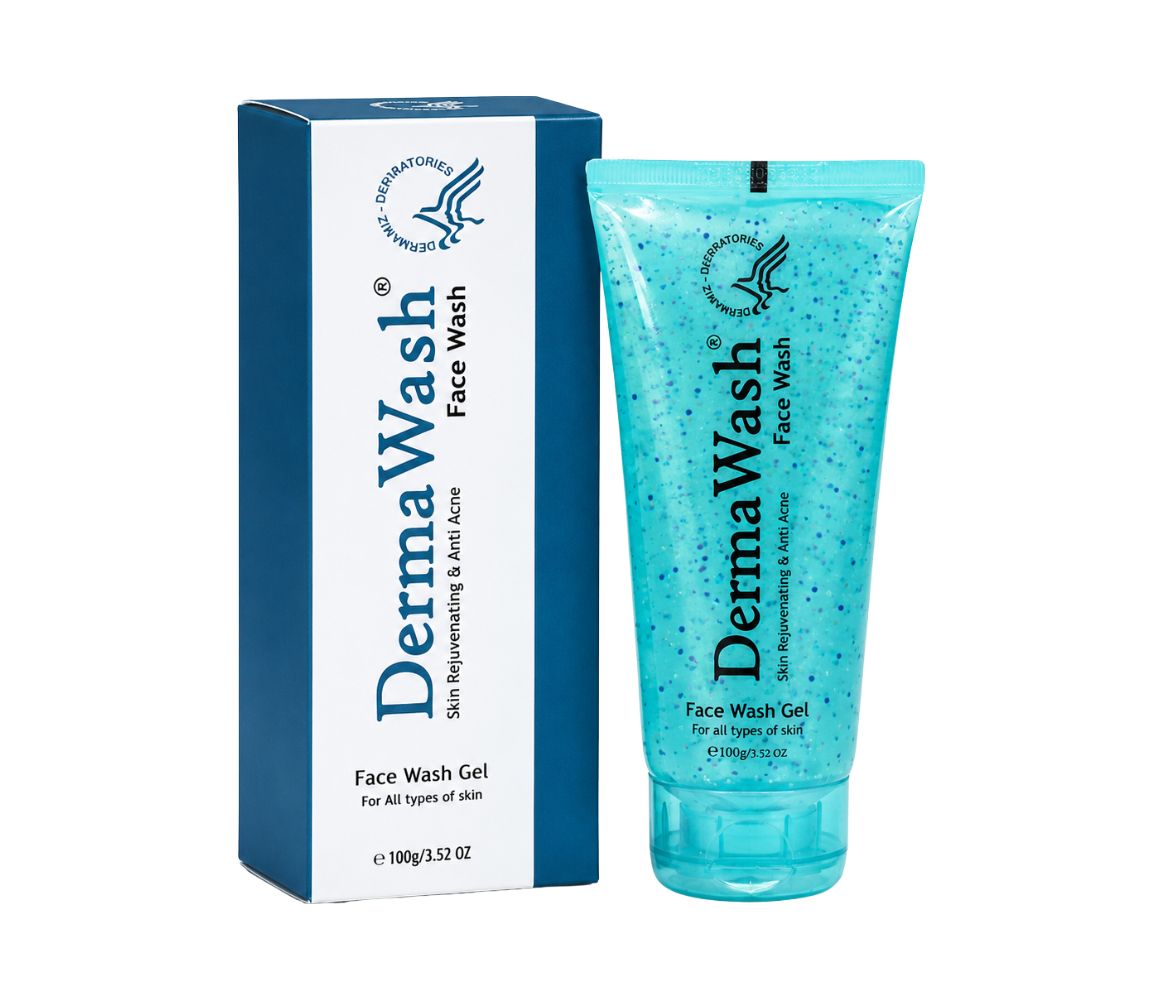
A simple face wash like DermaWash Face Wash can be considered for gentle cleansing support, depending on your skin type and tolerance.
Even oily skin needs moisturiser when using tretinoin. Skipping moisturiser is one of the biggest reasons people experience peeling, burning, and barrier damage.
Choose a non-comedogenic, lightweight moisturiser if your skin is oily. If your skin is dry or irritated, choose a barrier-supporting moisturiser.
You can explore moisturisers based on skin type, texture preference, and barrier needs.
Sunscreen is non-negotiable with tretinoin.
Tretinoin may make skin more sun-sensitive, and sun exposure can worsen pores, pigmentation, acne marks, tanning, and collagen breakdown. Without sunscreen, tretinoin results will be limited.
Use a broad-spectrum sunscreen every morning. Reapply when outdoors, sweating, travelling, or exposed to sunlight for long hours.
For daily use, choose from sunscreens that suit oily, acne-prone, dry, sensitive, or pigmentation-prone skin.
At night, cleanse your face to remove sunscreen, sweat, oil, pollution, and makeup.
If sunscreen is heavy or water-resistant, you may need double cleansing with a gentle first cleanse followed by a mild face wash. Do not scrub aggressively.
This step is very important.
Apply tretinoin only on completely dry skin. Applying it on damp skin may increase irritation because damp skin can absorb products more strongly.
After washing, wait 15 to 30 minutes before applying tretinoin, especially if you are a beginner.
More tretinoin does not mean faster results.
Use only a pea-sized amount for the entire face. Dot it on the forehead, cheeks, chin, and nose area, then spread thinly. Avoid the corners of the nose, corners of the mouth, eyelids, and under-eye area unless your dermatologist advises otherwise.
Too much tretinoin increases irritation without improving results.
Do not start tretinoin every night if you are new.
Begin with 2 nights per week for the first few weeks. If your skin tolerates it, increase to alternate nights. Some people may eventually use it nightly, while others do better with 2 to 4 nights per week long-term.
Your skin does not need daily irritation to improve.
If your skin is sensitive, try the sandwich method.
Apply moisturiser first.
Wait a few minutes.
Apply tretinoin.
Apply moisturiser again.
This can reduce dryness and peeling while still allowing tretinoin to work.
Keep the routine simple.
Do not add strong exfoliating acids in the beginning. Avoid scrubs, peels, waxing, bleaching, harsh toners, and too many serums.
A beginner weekly routine may look like this:
Monday: Tretinoin
Tuesday: Moisturiser only
Wednesday: Moisturiser only
Thursday: Tretinoin
Friday: Moisturiser only
Saturday: Moisturiser only
Sunday: Barrier repair only
After 4 to 6 weeks, if your skin is comfortable, you may increase frequency slowly.
Pores cannot disappear. They are part of normal skin anatomy.
Tretinoin can make pores look cleaner and less visible, but it cannot create poreless skin. If your expectation is filtered, glass-like skin, you may feel disappointed even if tretinoin is working well.
Using more than a pea-sized amount is one of the fastest ways to damage your barrier.
Too much tretinoin can cause burning, redness, peeling, tightness, and dark patches from irritation. More product does not mean faster pore reduction.
Tretinoin needs patience. Starting every night can overwhelm the skin, especially in Indian weather where heat, sweat, and sun exposure can already make skin more reactive.
Start low and slow.
This is the biggest mistake.
If you use tretinoin at night but skip sunscreen during the day, your skin may become irritated, tanned, or pigmented. Sun damage can also make pores and texture look worse over time.
AAD acne guidelines note that topical retinoids may cause photosensitivity and daily sunscreen can reduce sunburn risk. (jaad.org)
Do not start tretinoin with glycolic acid, salicylic acid, vitamin C, benzoyl peroxide, strong peels, scrubs, and brightening serums all at once.
Your skin barrier may not tolerate it.
If you want to use other actives, add them slowly after your skin has adjusted to tretinoin.
Peeling is common in the early phase, but scrubbing it off can worsen irritation.
Use moisturiser. Reduce tretinoin frequency. Avoid harsh towels and physical scrubs.
Let the skin adjust gently.
The corners of the nose, mouth, and eyes are more irritation-prone. Tretinoin can migrate slightly after application, so avoid applying too close to these areas.
You can apply a thin layer of moisturiser or petroleum jelly around sensitive corners before tretinoin to reduce irritation.
Tretinoin takes time.
Pores, texture, acne, and fine lines do not improve overnight. If you stop after two weeks because nothing changed, you may miss the real benefits.
Your skin may feel dry, tight, flaky, or slightly irritated. Some people may experience purging if they are acne-prone. Pores may not look better yet.
This is the adjustment phase.
Skin may begin to feel smoother if irritation is controlled. Some clogged pores may reduce. Texture may slowly improve.
Visible pore appearance may start improving more clearly, especially if pores were enlarged due to congestion, oiliness, or clogged skin. The 90-day tretinoin study mentioned in an oily skin review is a useful reminder that pore-related improvements need time. (PMC)
Long-term use may support smoother texture, improved skin quality, better acne control, and healthier-looking ageing skin. But results depend on correct use, sun protection, and barrier care.
Indian skin is often more prone to tanning, pigmentation, acne marks, and post-inflammatory hyperpigmentation.
This means irritation management is very important.
For Indian skin, the best tretinoin strategy is not aggressive use. It is controlled use.
Use a low-strength formula if starting.
Apply only at night.
Use moisturiser generously.
Use sunscreen every day.
Avoid harsh scrubs.
Avoid frequent salon peels or bleaching.
Do not combine too many brightening products.
Stop or reduce frequency if irritation becomes strong.
If your skin becomes red, burning, peeling, and dark, that is not “tretinoin working.” That is your barrier asking for help.
Ceramides
Glycerin
Hyaluronic acid
Panthenol
Niacinamide
Peptides
Sunscreen
Gentle cleanser
Barrier moisturiser
These ingredients support hydration and barrier comfort.
Vitamin C
Salicylic acid
Glycolic acid
Lactic acid
Benzoyl peroxide
AHA/BHA peels
Exfoliating toners
These may be useful for some people, but adding them too early can increase irritation.
Avoid or pause tretinoin if:
Your skin is burning severely
Your skin is cracked or raw
You have active eczema flare
You have severe rosacea flare
You are sunburned
You recently waxed or bleached the face
You are pregnant or trying to conceive unless doctor-approved
You are using other strong prescription actives without guidance
Cleveland Clinic lists possible tretinoin side effects such as mild irritation, redness, dryness, burning, peeling, and crusting, and advises reporting more serious reactions to a healthcare professional. (Cleveland Clinic)
No. Tretinoin cannot permanently remove or close pores. It can help pores look smaller by reducing clogging, improving texture, and supporting smoother skin over time.
Many people need at least 8 to 12 weeks to notice visible texture and pore improvement. Better results may take 3 to 6 months or longer.
Yes, pores may look worse temporarily if your skin becomes dry, flaky, irritated, or purging. This usually means the routine needs better moisturising or lower frequency.
Yes. Oily skin still needs moisturiser when using tretinoin. Choose lightweight, non-comedogenic moisturisers.
You can, but not at the beginning. Introduce tretinoin first and let your skin adjust. Adding salicylic acid too early may cause irritation.
Yes, tretinoin may help reduce clogged pores and blackheads over time by improving cell turnover.
Tretinoin is commonly used for acne-prone skin, but it should be used correctly to avoid irritation and purging-related frustration.
Some people can use it nightly after building tolerance. Beginners should start 2 to 3 nights per week and increase slowly.
It can be applied after cleansing on dry skin, but sensitive skin may do better with moisturiser before and after tretinoin using the sandwich method.
Tretinoin itself is not meant to darken skin, but irritation from overuse can cause post-inflammatory pigmentation, especially in pigmentation-prone skin.
Tretinoin can help large pores look smaller, but it cannot erase pores permanently.
Large pores may be caused by oiliness, clogged pores, acne, ageing, sun damage, and genetics.
Use tretinoin slowly and only at night.
Apply a pea-sized amount on dry skin.
Moisturiser is essential, even for oily skin.
Sunscreen is non-negotiable.
Avoid scrubs, peels, and too many actives when starting.
Results usually take 8 to 12 weeks, with better changes after 3 to 6 months.
Indian skin should avoid irritation because it can lead to pigmentation.
The goal is smoother, healthier skin, not poreless skin.
Tretinoin can be helpful for large pores, but only when used with patience and the right routine.
It may improve clogged pores, rough texture, acne-related congestion, and photoaged skin over time. But pores are normal and cannot be permanently erased. Realistic results mean pores look cleaner, smoother, and less noticeable, not completely invisible.
The best routine is simple: gentle cleanser, moisturiser, tretinoin at night, and sunscreen every morning.
Avoid overusing tretinoin, layering too many actives, scrubbing peeling skin, skipping sunscreen, and expecting overnight results.
For Indian skin, the safest approach is low and slow. Protect the barrier. Prevent irritation. Use sunscreen consistently. Give the skin time.
Tretinoin works best when your routine is calm, consistent, and realistic.
DISCLAIMER : This website provides general information for educational purposes only and should not be considered a substitute for professional medical advice, diagnosis, or treatment. Always seek the guidance of a qualified healthcare professional with any questions you may have regarding a medical condition. Do not disregard professional medical advice or delay seeking it because of information you've read on this website. Your health is important – when in doubt, consult a doctor.