Your shopping cart
😊 Product added to cart successfully
Product removed to cart successfully

We have all been there. You stand in front of the bathroom mirror, carefully squeezing a generous dollop of traditional mineral sunscreen onto your fingertips. You rub it in, hoping for the best, only to find yourself staring at a pale, chalky reflection. You look like a Victorian ghost who just walked out of a gothic novel. For years, this was the ultimate compromise of skin health. You could protect your skin from the sun, or you could look like a normal human being, but you rarely got to do both at the exact same time.
Then came tinted sunscreen. It promised to bridge the gap, offering high level protection while evening out your skin tone with a healthy, subtle glow. But as with any beauty breakthrough, skeptics quickly raised their hands. Does a product that feels and looks like light makeup actually keep your skin safe from intense ultraviolet radiation? Is the protection as robust as standard sunscreens, or are we sacrificing safety for a flattering cosmetic finish?
Let us dive deep into the fascinating science behind these tinted formulas. We will explore how they work, why dermatologists are obsessed with them, and how to choose the right one for your daily routine.
To understand why tinted formulations are such a major upgrade, we have to look at the ingredients list. Most tinted sunscreens are built on a physical mineral base. This means they utilize active mineral ingredients like zinc oxide and titanium dioxide to form a protective shield over the surface of your skin. These minerals act like tiny mirrors, physically reflecting and scattering solar rays before they can penetrate your delicate epidermal layers.
Traditional physical sunscreens often leave that infamous white cast because the mineral particles are white. Tinted sunscreens solve this issue by adding pigment. These pigments are usually created by blending various forms of iron oxides, which are natural minerals that come in yellow, red, and black shades. By combining these iron oxides with standard zinc oxide, skincare formulators can mimic a wide range of human skin tones.
When you use a high quality product like Broad-Spectrum and Tinted Sunscreens, you are not just hiding the white cast. You are actually adding a whole new dimension of defense. The addition of iron oxides does something incredible that standard white sunscreens simply cannot do, and that brings us to the unique science of light protection.
For a long time, dermatologists focused almost exclusively on ultraviolet light, specifically UVA and UVB rays. UVA rays penetrate deep into the dermis, breaking down collagen and causing premature aging. UVB rays target the surface layers, causing sunburns and playing a primary role in skin cancers. A quality product offering broad spectrum uv protection has always been non negotiable for preventing this damage.
However, recent clinical research has revealed another major culprit in skin damage: visible light. This is the light we can actually see, including high energy blue light emitted by the sun, our smartphones, computers, and digital tablets.
While visible light does not cause sunburns, it penetrates even deeper into the skin than UVA rays. Once there, it generates free radicals, triggers oxidative stress, and stimulates pigment producing cells called melanocytes. If you struggle with stubborn dark spots, melasma, or post acne marking, visible light is often the hidden villain keeping those areas dark.
This is where tinted sunscreens become your absolute superpower. Standard white chemical or mineral sunscreens are virtually transparent to visible light. The light passes straight through them. However, the iron oxides used to create the tint in your sunscreen act as a physical blocker for visible light. Because these pigments are visible to the eye, they have the physical capacity to absorb and reflect visible light wavelengths.
Clinical studies have repeatedly demonstrated that patients with melasma who use a tinted physical sunscreen experience significantly less darkening of their patches compared to those who use non tinted formulas. It is a massive breakthrough for anyone fighting hyperpigmentation.
When shopping for sun protection, you will frequently see two main categories: physical mineral and chemical. Chemical sunscreens work like a sponge, absorbing UV rays, converting them into heat, and releasing that heat from the body. While they are often lightweight and easy to blend, they can occasionally irritate sensitive skin types or trigger allergic reactions.
Physical mineral sunscreens, on the other hand, sit on top of the skin and are incredibly gentle. If you are choosing a product, opting for a physical mineral sunscreen spf 50 ensures you get excellent coverage against the most intense burning rays of the sun while keeping skin calm.
For families with younger children, physical formulations are highly recommended. Finding the best physical sunscreen for kids usually means searching for high percentage zinc oxide options that are free of synthetic dyes and fragrances. Children have thinner skin that absorbs topical products more readily, making the clean, reflective protection of minerals the safest choice for beach days and outdoor play.
For adults who want to protect their skin while maintaining a polished appearance, a sophisticated tinted sunscreen gel is often the perfect daily solution. A gel formula provides a lightweight, matte finish that wears beautifully under makeup or entirely on its own, eliminating the heavy, greasy feel that traditional sun products often have.
If you have oily or acne prone skin, you might feel a wave of anxiety whenever someone mentions daily sunscreen application. Many of us have experienced painful, cystic breakouts after wearing thick sun creams for a few days in a row. It feels like an unfair choice between getting a sunburn or getting a massive breakout.
To prevent this, it is essential to look for a certified non comedogenic sunscreen. Non comedogenic simply means the formula has been tested and proven not to clog pores or trap acne causing bacteria.
When you use advanced chemical treatments to clear your skin, such as AHA/BHA and Azelaic Acid Acne Treatments, your skin becomes much more sensitive to environmental damage. These exfoliating acids remove the dead, protective outer layer of your skin, leaving the fresh new cells underneath highly vulnerable to sun damage. Applying a gentle, tinted mineral shield every morning ensures that your hard work clearing your skin is not undone by dark spots and sun induced inflammation.
Similarly, if you are incorporating anti aging actives like Retinol Skin Renewal Serums into your nighttime routine, daytime sun protection is absolutely critical. Retinol works by accelerating cellular turnover, bringing delicate new skin cells to the surface. Without a robust physical shield, these fresh cells will burn easily, leading to rapid damage and counteracting the wonderful anti aging benefits of your nightly serum.
As we discuss facial protection, we must not forget the rest of our body. One of the most common areas people overlook when applying sunscreen is the hairline and scalp. We diligently rub cream onto our cheeks and nose, but we leave the very top of our head completely exposed.
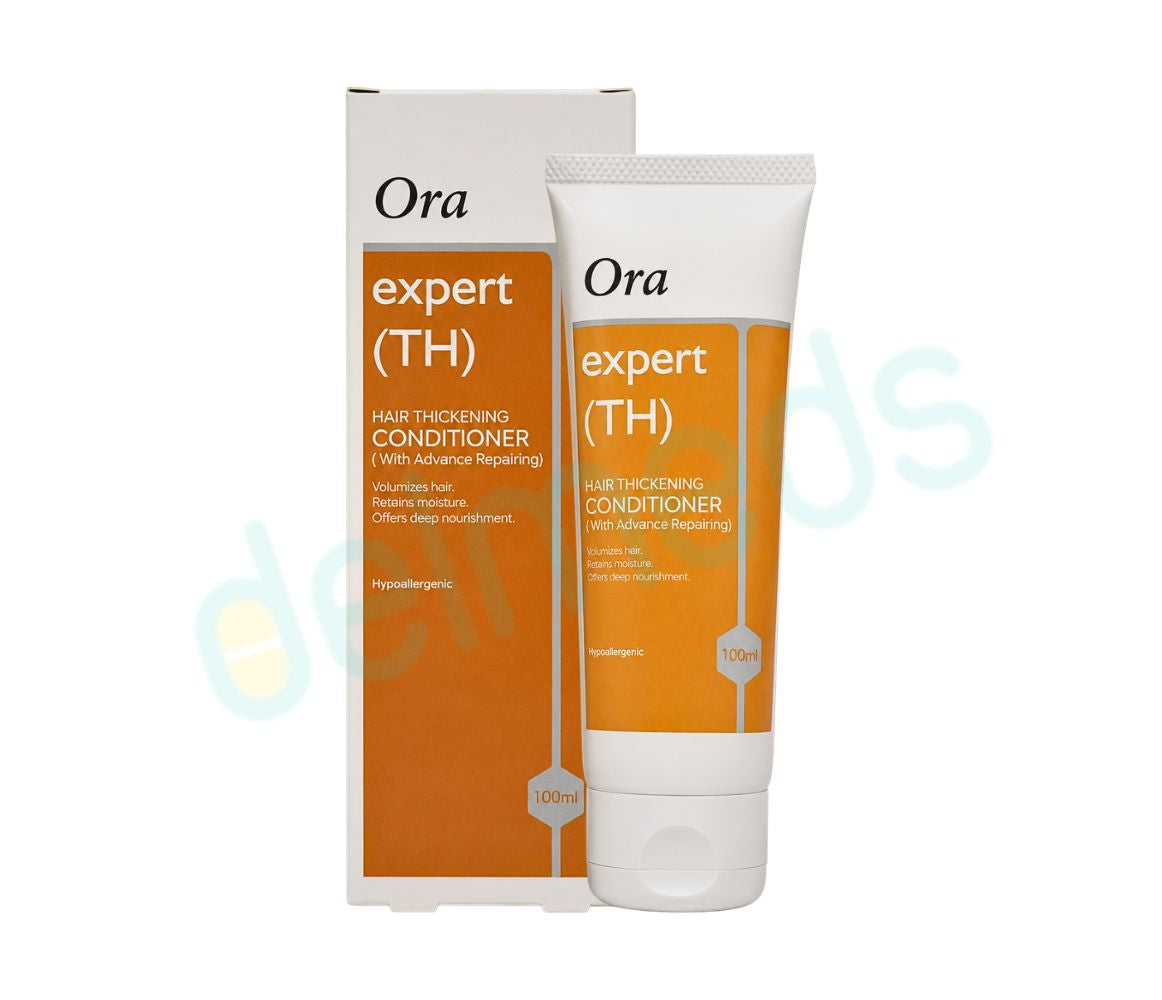
Sunburn on the scalp does more than just sting. Prolonged UV exposure damages the delicate skin of your hair follicles, which can eventually lead to localized hair thinning and inflammation. If you are currently using treatments like Minoxidil and Finasteride Hair Regrowth Solutions to revive dormant hair follicles, keeping your scalp healthy and sunburn free is a key part of your success. UV radiation can cause inflammation that hinders active hair regrowth, so wearing a hat or applying a lightweight, non greasy sun shield near your part is highly recommended.
To complement your topical daily protection, you can also support your skin from the inside out. Incorporating Oral Skin and Hair Supplements loaded with powerful antioxidants can help neutralize the free radicals generated by daily UV and blue light exposure, giving your body a double layer of defense against environmental aging.
To help you get the absolute most out of your daily sun care routine, let us answer ten of the most common questions about tinted sunscreens.
Yes, absolutely. Tinted sunscreen provides identical, and often superior, protection compared to non tinted options. It contains the exact same active mineral filters, such as zinc oxide, that block harmful ultraviolet rays. Additionally, the pigments that create the tint offer a physical barrier against visible light, which standard sunscreens cannot do.
For many people, yes. While regular sunscreen is excellent at blocking UV rays, tinted sunscreen offers the added benefit of blocking visible light, which is known to worsen melasma and hyperpigmentation. It also eliminates the white cast, making it far more wearable for daily use across all skin tones.
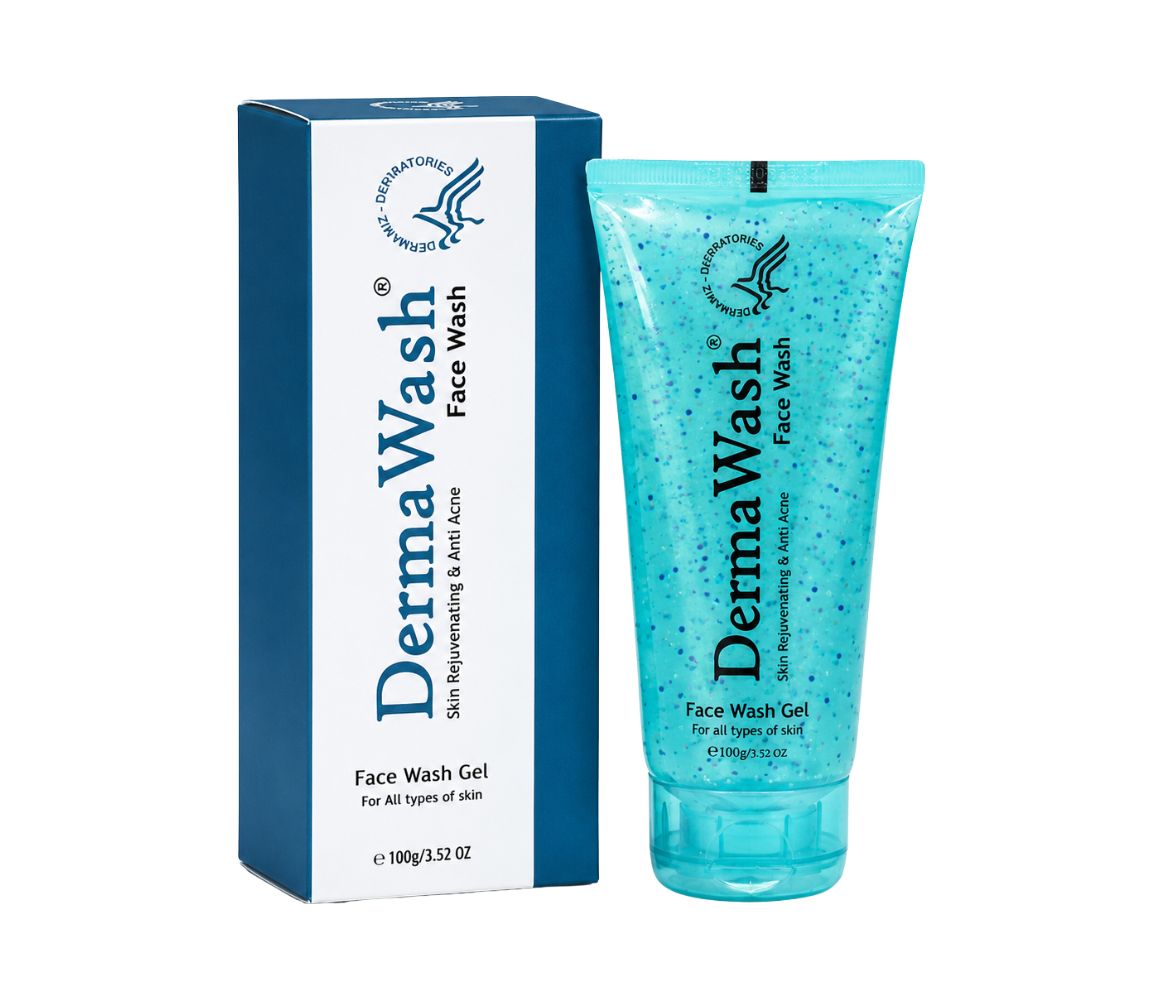
Yes, you must wash it off before bed. Because tinted sunscreens contain iron oxides and minerals that sit on the skin surface, leaving them on overnight can trap sweat, dirt, and sebum, leading to clogged pores and breakouts. A gentle double cleanse in the evening is the best way to ensure your skin is completely clean.
Yes, this is one of the main reasons people love it. Many tinted formulas offer light to medium coverage that evens out redness, blurs minor imperfections, and leaves a natural, radiant finish, allowing you to skip heavy foundations entirely during your daily routine.
Yes, it does. The iron oxides used to create the tint in these sunscreens are highly effective at absorbing and scattering high energy visible light, which includes the blue light emitted by electronic screens and the sun.
Generally, yes. Most tinted sunscreens use mineral active ingredients like zinc oxide, which are naturally soothing and far less likely to cause irritation or allergic reactions compared to chemical sunscreen ingredients.
Many modern tinted sunscreens are formulated with sheer, adaptable pigments that blend seamlessly into multiple skin tones. Look for a product line that offers a few flexible shade options, or choose a sheer formula that adapts to your natural skin tone upon application.
Yes, by providing high level defense against both UVA rays and visible light, tinted sunscreen prevents the breakdown of collagen and elastin, helping to keep your skin firm, smooth, and wrinkle free.
If you choose a heavy, oil based formula, it can. However, if you opt for a lightweight, non comedogenic sunscreen gel, it will protect your skin without blocking your pores, keeping your complexion clear and healthy.
While physical mineral sunscreen is the safest option for children, kids generally do not need the cosmetic tint. It is usually best to stick to a fragrance free physical sunscreen designed specifically for children, as their sensitive skin does not require additional color pigments.
Adopting a daily sun protection habit is the single most important thing you can do for the long term health and appearance of your skin. It is not just about avoiding sunburns on beach days. It is about protecting your skin from the subtle, constant exposure that happens during your morning commute, your afternoon walk, and even while sitting near a window working on your laptop.
By choosing a tinted mineral formula, you get the absolute best of both worlds. You get beautiful, lightweight coverage that makes you feel confident stepping out the door, combined with robust, scientifically proven protection against UVA, UVB, and visible blue light.
Take the time to find a formula that feels comfortable on your skin, whether that is a matte gel or a hydrating cream, and make it a non negotiable part of your morning ritual. Your skin will thank you for years to come.
Dual Defense: Tinted sunscreen combines traditional mineral UV blockers with iron oxides to protect against both UV rays and visible blue light.
No White Cast: The added tint eliminates the pale, chalky finish common in mineral sunscreens, making it suitable for all skin tones.
Melasma Support: Iron oxides are proven to reduce the worsening of hyperpigmentation and dark spots caused by visible light.
Gentle and Safe: Most formulas are mineral based, making them ideal for sensitive, acne prone, or newly treated skin.
DISCLAIMER : This website provides general information for educational purposes only and should not be considered a substitute for professional medical advice, diagnosis, or treatment. Always seek the guidance of a qualified healthcare professional with any questions you may have regarding a medical condition. Do not disregard professional medical advice or delay seeking it because of information you've read on this website. Your health is important – when in doubt, consult a doctor.