Your shopping cart
😊 Product added to cart successfully
Product removed to cart successfully

Monsoon skin is confusing.
One day your face feels oily and sticky. The next day it feels dull and dehydrated. You wash your face more often because of sweat, but then your skin starts feeling tight. You skip moisturiser because the weather is humid, but somehow your skin still looks tired. Acne shows up around the forehead, cheeks, jawline, or back. Sunscreen feels heavy. Makeup melts. And your usual summer routine suddenly stops working.
This happens because monsoon weather changes the way your skin behaves.
Humidity increases sweat and oiliness. Rainwater, pollution, damp clothes, and constant moisture can make the skin more prone to clogged pores, fungal irritation, body acne, and dullness. At the same time, indoor air conditioning, over cleansing, and harsh acne products can dehydrate the skin barrier.
So the answer is not to use more skincare. The answer is to use the right ingredients.
A good monsoon skincare routine should feel light, breathable, non greasy, and barrier friendly. It should help control excess oil without stripping the skin. It should support hydration without heaviness. It should reduce congestion without damaging the barrier. And yes, sunscreen still matters even when the sky is cloudy.
Let’s look at the skincare ingredients that actually make sense during monsoon, especially for Indian skin.
Indian monsoon is not just “rainy weather.” It is humidity, sweat, pollution, dampness, sudden temperature changes, indoor cooling, and frequent face wiping. This mix creates a perfect environment for skin imbalance.
Oily skin may become greasier.
Acne prone skin may break out more.
Dry skin may feel dehydrated but sticky.
Sensitive skin may react faster.
Body folds may feel itchy.
Pigmentation may still worsen because ultraviolet rays do not disappear just because clouds are present.
This is why your monsoon routine should not be copied from winter or peak summer. Heavy creams can feel suffocating. Strong exfoliation can irritate. Skipping moisturiser can weaken the skin barrier. Skipping sunscreen can worsen tanning and pigmentation.
The best ingredients for monsoon are the ones that keep the skin clear, calm, hydrated, and protected without feeling heavy.
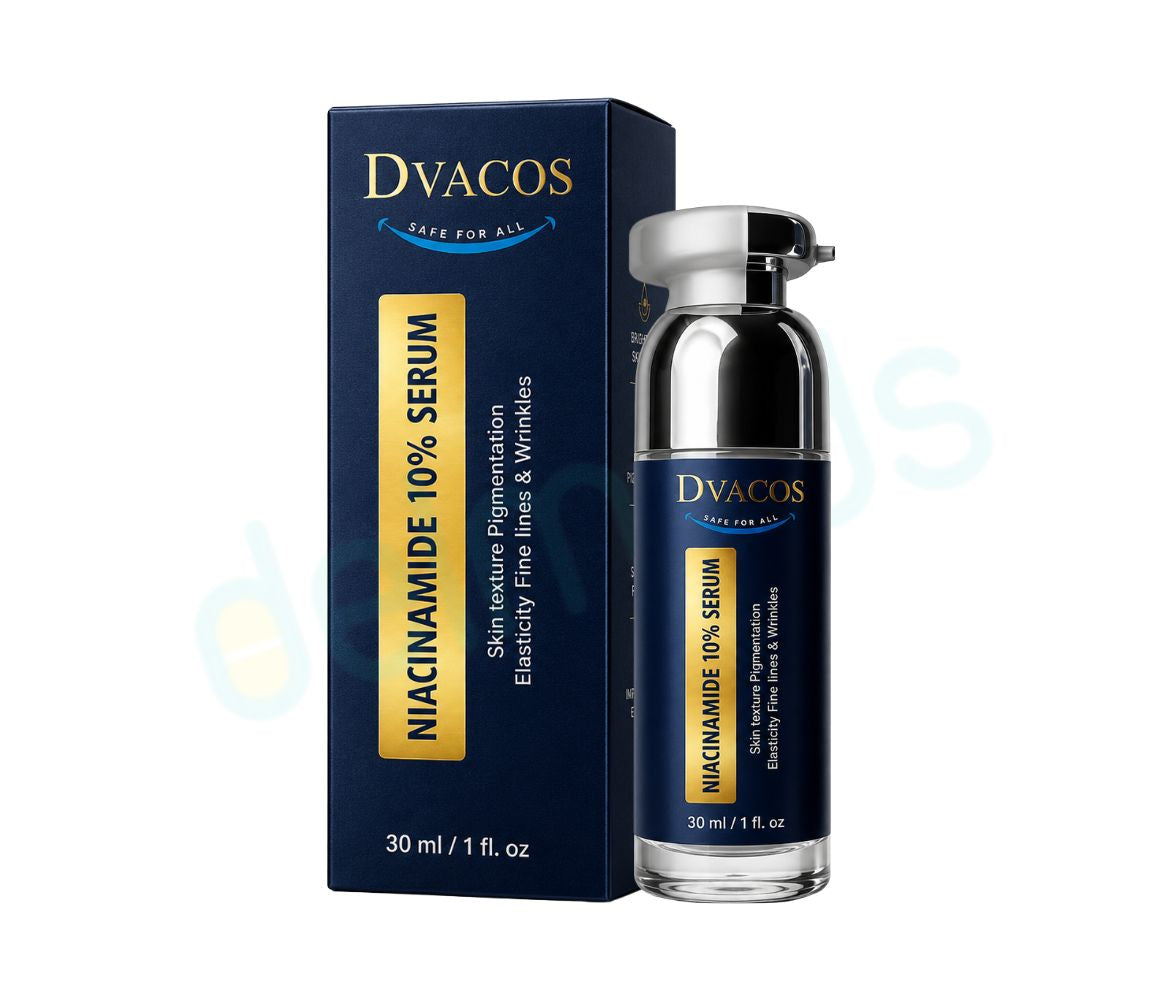
Niacinamide is one of the most useful monsoon ingredients because it supports multiple concerns at once. It can help regulate excess oil, support the skin barrier, reduce visible redness, improve uneven tone, and make the skin feel more balanced.
During monsoon, many people struggle with oily but dehydrated skin. The face looks shiny, but still feels tired or tight after washing. This is where niacinamide becomes helpful. It does not work like a harsh oil stripping ingredient. Instead, it supports skin function while helping the face look less greasy over time.
For Indian skin, niacinamide is also useful because monsoon breakouts often leave dark marks. By supporting the barrier and reducing irritation, it can make the skin more resilient. Start with a gentle formula rather than jumping to very high percentages. More is not always better. If your skin is sensitive, use it once daily or on alternate days in the beginning.
Salicylic acid is a beta hydroxy acid that is especially helpful for oily and acne prone skin. It is oil soluble, which means it can work inside oily pores and help reduce congestion, blackheads, whiteheads, and small bumps.
Monsoon humidity can trap sweat, sebum, sunscreen, dust, and pollution on the skin. This creates the perfect setup for clogged pores. Many people start washing their face repeatedly, but that can make the barrier weaker. Salicylic acid used correctly can be a smarter option.
The key is moderation. A salicylic acid cleanser a few times a week may suit some people. Others may prefer a leave on product at low strength. Do not combine it with too many exfoliating acids or retinoids if your skin is already irritated. If your face burns or peels, reduce frequency. Clear skin should not come at the cost of barrier damage.
For body acne during monsoon, salicylic acid body washes can also be helpful, especially on the back, chest, and shoulders.
Many people skip hydration in monsoon because the weather feels humid. That is a mistake.
Humidity does not always mean your skin is properly hydrated. Your skin can still lose water, especially if you cleanse too much, sit in air conditioning, use acne products, or wipe sweat repeatedly.
Hyaluronic acid is a lightweight humectant. It helps attract and hold water in the skin. It gives hydration without the heavy feeling of thick creams, which makes it ideal for monsoon routines.
Use it on slightly damp skin. Then seal it with a light moisturiser. If you apply only hyaluronic acid and skip moisturiser, your skin may still feel dry later. Think of it as a hydration step, not a complete routine.
For oily skin, a gel based hyaluronic acid product can feel comfortable. For dry skin, pair it with ceramides or glycerin. For sensitive skin, choose a simple formula without strong fragrance.
Glycerin is not trendy, but it works.
It is one of the most reliable humectants in skincare. It helps draw water into the outer skin layers and supports a soft, comfortable feel. During monsoon, glycerin is useful because it hydrates without needing a heavy oily texture.
People often chase complicated ingredients while ignoring basics. But if your skin feels tight after washing or dull by afternoon, glycerin can help. It works well in cleansers, moisturisers, lotions, and serums.
For Indian monsoon weather, choose lightweight moisturisers with glycerin rather than thick creams that sit heavily on the skin. Apply on slightly damp skin after cleansing. This helps reduce dehydration and supports barrier comfort.
If your skin is oily, do not fear glycerin. It is not the same as oil. It can hydrate the skin without making it greasy when used in the right formula.
Monsoon skin often becomes irritated because of over cleansing, sweat, friction, face wiping, acne products, and pollution. Ceramides help support the skin barrier, which is the outer protective layer that keeps moisture in and irritants out.
When the barrier is weak, skin may sting, itch, burn, flake, or break out more easily. Many people mistake this for “dirty skin” and cleanse more. That makes the problem worse.
Ceramides are especially useful if your skin feels sensitive during monsoon. They help maintain barrier strength and reduce water loss. If you use salicylic acid, retinoids, benzoyl peroxide, or exfoliating acids, ceramides become even more important because active ingredients can dry out the skin if not balanced properly.
Use ceramides in a light moisturiser or barrier repair cream. Oily skin can choose gel cream textures. Dry skin can choose a slightly richer cream at night. The goal is not heaviness. The goal is protection.
Panthenol is a calming ingredient that helps soothe and support skin comfort. It is useful during monsoon because many people experience irritation from sweat, humidity, friction, masks, helmets, and frequent cleansing.
If your skin burns after face wash or sunscreen, your barrier may be stressed. Panthenol can help support a calmer routine. It pairs well with glycerin, hyaluronic acid, ceramides, and niacinamide.
This ingredient is especially helpful for sensitive skin, acne prone skin using actives, and dry skin that feels tight despite humid weather. It can be used in moisturisers, serums, and calming creams.
One common monsoon mistake is applying strong actives on already irritated skin. If your face is red, burning, or itchy, pause exfoliation and focus on calming ingredients like panthenol, ceramides, and glycerin. Skin cannot glow when it is constantly fighting irritation.
Zinc is often used in skincare for oily, acne prone, and irritated skin. It can help support oil balance and calm the appearance of redness. During monsoon, when sweat and sebum are more noticeable, zinc based formulas can be useful.
You may find zinc in lightweight moisturisers, acne care products, mineral sunscreens, and calming formulations. Zinc oxide is also used as a mineral sunscreen filter. For sensitive skin, mineral sunscreen with zinc oxide may be better tolerated by some people, though texture and white cast can vary.
Zinc does not mean your skin will become dry or matte instantly. It is more of a supportive ingredient. If your face gets oily by noon, pair zinc with niacinamide and a lightweight non comedogenic moisturiser.
Avoid layering too many oil control products together. Monsoon skin needs balance, not punishment.
Azelaic acid is a helpful ingredient for people dealing with acne, post acne marks, redness, and uneven tone. It is often better tolerated than some stronger exfoliating acids, though irritation can still happen if overused.
Monsoon breakouts are frustrating because they do not end with the pimple. In Indian skin, acne often leaves brown marks or post inflammatory hyperpigmentation. Azelaic acid can be useful in routines focused on acne marks and uneven tone.
It can also be helpful for people who cannot tolerate harsh brightening routines. Still, start slowly. Use it at night or as advised. Do not combine it aggressively with multiple acids, retinoids, and strong vitamin C all at once.
If you have persistent acne, melasma, or severe pigmentation, professional guidance is better. Azelaic acid is useful, but not a shortcut for every concern.
Monsoon can make the skin feel congested and dull. Dead skin cells, sweat, oil, and pollution can build up, making the face look uneven. Exfoliation can help, but the wrong exfoliant can damage the barrier.
Mandelic acid is an alpha hydroxy acid with a larger molecular size than glycolic acid, so many people find it gentler. It can be a good option for sensitive or pigmentation prone Indian skin when used carefully.
Use it once or twice a week in the beginning. Do not use it on the same night as retinol or strong acne actives unless your skin is already used to that routine. If your skin tingles mildly, that may happen. If it burns, peels, or becomes red, stop and repair the barrier.
Monsoon skincare should not mean daily exfoliation. Gentle and consistent is better than aggressive and regretful.
Aloe vera is popular during humid weather because it feels light, cooling, and comfortable. It can be useful when the skin feels warm, sticky, or mildly irritated.
But not every aloe product is automatically good. Some gels contain heavy fragrance, alcohol, colour, or sticky polymers that may irritate sensitive skin. Choose a clean, simple formula if you use aloe in monsoon.
Aloe vera works best as a soothing support step, not as a replacement for moisturiser or sunscreen. If your skin is dehydrated, pair it with glycerin or hyaluronic acid. If your barrier is weak, pair it with ceramides or panthenol.
It can also be helpful after sun exposure or after sweating, but avoid applying it on broken, infected, or severely irritated skin without advice.
Green tea is often used in skincare for its antioxidant and calming benefits. During monsoon, skin faces pollution, humidity, sweat, and oxidative stress. Antioxidant support can help keep the skin looking fresher and less tired.
Green tea based toners, serums, and moisturisers can suit oily and acne prone skin because they are usually lightweight. They may also help skin that looks red or irritated.
However, do not expect green tea alone to clear acne or pigmentation. It is a supportive ingredient. It works best as part of a routine that includes gentle cleansing, light hydration, sunscreen, and targeted actives if needed.
For monsoon, green tea can be especially useful in a lightweight mist or serum, but make sure it is not overloaded with fragrance. Irritated skin needs calm formulas, not fancy smelling water.
Sunscreen is not optional during monsoon.
Clouds reduce visible sunlight, but ultraviolet exposure can still reach your skin. If you are dealing with tanning, pigmentation, melasma, acne marks, or photoageing, skipping sunscreen during cloudy weather can slow your progress.
Choose a broad spectrum sunscreen that feels comfortable in humidity. Gel, fluid, matte, or lightweight lotion textures usually work better for oily and combination skin. Dry skin may prefer hydrating sunscreen, but avoid heavy greasy layers during sticky weather.
If you sweat a lot or travel outdoors, look for water resistant formulas and reapply when needed. For pigmentation prone skin, tinted sunscreen with iron oxides may help because visible light can contribute to pigmentation in deeper skin tones.
The best sunscreen for monsoon is not the one with the fanciest label. It is the one you actually apply enough and reapply.
Monsoon dampness can make some people more prone to fungal related skin irritation, especially in body folds like underarms, groin, under breasts, between toes, and areas where sweat stays trapped. Itching, redness, scaling, ring shaped patches, or recurring irritation should not be ignored.
Skincare cannot replace medical care for fungal infections. If you suspect a fungal issue, consult a doctor. Random steroid combination creams can make fungal infections worse and more stubborn.
For prevention, keep skin folds dry, change sweaty clothes, avoid staying in wet shoes, use breathable fabrics, and keep the skin clean without harsh scrubbing. Lightweight body lotions are better than heavy sticky creams in fold areas.
Ingredients like zinc oxide may help reduce friction in some areas, while gentle cleansers and barrier support can keep the skin comfortable. But active antifungal care should be guided by a professional when symptoms are present.
A lot of people stop using moisturiser in the monsoon because the skin feels oily. Then the barrier becomes dehydrated, and the skin starts producing more oil or reacting to products.
The trick is to choose the right texture.
Look for lightweight moisturising ingredients like glycerin, hyaluronic acid, panthenol, niacinamide, squalane in small amounts, and gel cream bases. Avoid very heavy oils or thick occlusive creams during daytime if your skin clogs easily.
Non comedogenic does not guarantee that a product will never clog pores, but it is a useful label for acne prone users. Always test how your skin responds.
A moisturiser should make your skin feel comfortable, not sticky. If your face feels sweaty immediately after applying, use a smaller amount or switch texture.
Vitamin C is useful for dullness, antioxidant support, uneven tone, and pigmentation routines. During monsoon, skin can look tired because of humidity, pollution, poor sleep, and breakouts. Vitamin C may help support a brighter look.
But monsoon skin can also be sensitive. If your skin barrier is weak, strong vitamin C may sting. If you are already using salicylic acid, retinoids, or exfoliating acids, adding vitamin C carelessly can irritate the skin.
Start with a gentle form if your skin is sensitive. Use it in the morning before moisturiser and sunscreen, or at night if that suits your routine better. Sunscreen is important when using brightening ingredients because sun exposure can worsen pigmentation.
Vitamin C is not compulsory for everyone. If your skin is breaking out or burning, fix barrier health first.
Use a gentle cleanser.
Apply niacinamide or a lightweight hydrating serum if needed.
Use a light moisturiser with glycerin, panthenol, or ceramides.
Apply broad spectrum sunscreen.
Keep the routine breathable and non greasy.
Cleanse properly to remove sunscreen, sweat, and pollution.
Use salicylic acid or mandelic acid only if needed and not every night.
Apply a calming moisturiser with ceramides, panthenol, glycerin, or niacinamide.
If skin is irritated, skip actives and focus only on barrier repair.
Exfoliate gently once or twice weekly if your skin tolerates it.
Avoid scrubs if you have acne, sensitivity, or pigmentation.
Wash pillow covers and towels regularly.
Keep makeup brushes clean.
Do not sleep with sunscreen or makeup on.
Skipping moisturiser because the weather is humid.
Washing the face too many times.
Using harsh scrubs for clogged pores.
Skipping sunscreen on cloudy days.
Applying heavy creams that clog pores.
Using too many actives together.
Ignoring body acne and fungal irritation.
Wearing damp clothes for long hours.
Using random steroid creams for itching.
Not reapplying sunscreen during outdoor exposure.
Monsoon skincare is not about doing more. It is about doing less, but doing it correctly.
Use a free stock image of an Indian woman applying lightweight skincare near a window on a cloudy day.
Use an image showing rain outside with skincare products arranged on a clean bathroom counter.
Create an infographic titled Essential Monsoon Skincare Ingredients. Include niacinamide, salicylic acid, hyaluronic acid, glycerin, ceramides, panthenol, azelaic acid, mandelic acid, zinc, and sunscreen.
Create another infographic titled Monsoon Skincare Mistakes. Include over cleansing, skipping moisturiser, skipping sunscreen, heavy creams, harsh scrubs, and ignoring fungal irritation.
Use a simple routine graphic showing morning and night monsoon skincare steps.
Niacinamide, salicylic acid, hyaluronic acid, glycerin, ceramides, panthenol, zinc, azelaic acid, mandelic acid, aloe vera, green tea, and broad spectrum sunscreen are useful monsoon skincare ingredients.
Yes, niacinamide is useful during monsoon because it can support oil balance, skin barrier health, redness control, and uneven tone.
Salicylic acid can help with clogged pores, blackheads, whiteheads, and acne during humid weather. Use it carefully and avoid over exfoliation.
Yes, moisturiser is still important. Choose a lightweight gel cream or lotion instead of a heavy cream if your skin feels oily.
Yes, sunscreen is needed even on cloudy days because ultraviolet rays can still affect the skin and worsen tanning, pigmentation, and photoageing.
A lightweight moisturiser with glycerin, hyaluronic acid, panthenol, niacinamide, or ceramides works well for humid weather.
Monsoon humidity, sweat, oil, pollution, and clogged pores can contribute to acne flare ups, especially in oily and acne prone skin.
Most people can wash twice daily. If you sweat heavily, rinse with water or use a gentle cleanser when needed, but avoid harsh over cleansing.
Vitamin C can help with dullness and uneven tone, but sensitive or irritated skin should use it carefully. Always pair it with sunscreen.
Humidity itself is not always harmful, but over cleansing, sweat, friction, acne products, and dampness can irritate the skin barrier during monsoon.
Avoid heavy greasy creams, harsh scrubs, too many actives, skipping sunscreen, sleeping with makeup, and using random steroid creams for itching.
Keep skin folds dry, change sweaty or wet clothes quickly, wear breathable fabrics, and consult a doctor if you notice itching, redness, scaling, or ring like patches.
Monsoon skincare should be light, breathable, and barrier friendly.
Niacinamide helps with oil balance and barrier support.
Salicylic acid helps with clogged pores and acne.
Hyaluronic acid and glycerin provide lightweight hydration.
Ceramides and panthenol support barrier repair.
Azelaic acid may help with acne marks and uneven tone.
Mandelic acid can offer gentle exfoliation.
Sunscreen is still essential during cloudy weather.
Avoid heavy creams, harsh scrubs, over cleansing, and too many actives.
If you have itching, scaling, or fungal like patches, consult a doctor.
Monsoon skincare does not need to be complicated. It needs to be smart.
Your skin is already dealing with humidity, sweat, pollution, dampness, and changing temperatures. Loading it with heavy creams, strong exfoliants, and multiple serums can make things worse.
The essential ingredients for monsoon are the ones that support balance.
Niacinamide for oil and barrier support.
Salicylic acid for clogged pores.
Hyaluronic acid and glycerin for light hydration.
Ceramides and panthenol for repair.
Azelaic acid and mandelic acid for marks, dullness, and texture when used safely.
Sunscreen for daily protection.
The best monsoon routine is not about chasing glass skin. It is about keeping your skin calm, clear, comfortable, and protected in weather that constantly tries to disturb it.
Keep it simple. Keep it light. And listen to your skin before adding another product.
DISCLAIMER : This website provides general information for educational purposes only and should not be considered a substitute for professional medical advice, diagnosis, or treatment. Always seek the guidance of a qualified healthcare professional with any questions you may have regarding a medical condition. Do not disregard professional medical advice or delay seeking it because of information you've read on this website. Your health is important – when in doubt, consult a doctor.