Your shopping cart
😊 Product added to cart successfully
Product removed to cart successfully

For anyone who has ever stared in the mirror, frustratingly tracing the outline of a stubborn patch of hyperpigmentation, the search for a real solution can feel endless. Dark spots, whether caused by sun damage, hormonal fluctuations, or the lingering scars of past breakouts, are notoriously difficult to fade. They linger like unwanted guests, resisting standard skincare routines and leaving many to search for something deeper, more systemic, and scientifically backed.
This is where glutathione comes in. Over the last decade, this powerful molecule has transitioned from a quiet clinical insider secret to a global phenomenon among those concerned with uneven skin tone. But what exactly is this compound, and why does it command such a loyal following in modern skincare circles?
Let us dive deep into the science, the real world applications, and the clinical reality behind why glutathione has become the gold standard for managing dark spots.
To understand why glutathione is so highly regarded, we first must look at how dark spots form in the skin. Hyperpigmentation is primarily the result of excess melanin production. Melanin is the natural pigment that gives our skin, hair, and eyes their color. It is produced by specialised cells called melanocytes, located in the lower layers of the epidermis.
When your skin is exposed to triggers such as ultraviolet radiation from the sun, localized inflammation from acne, or systemic hormonal shifts like those during pregnancy, it sends signal cascades to these melanocytes. The melanocytes respond by producing more melanin to protect the skin from damage. Unfortunately, this protective mechanism often leaves behind concentrated deposits of pigment, resulting in dark spots, melasma, or post-inflammatory hyperpigmentation.
The key enzyme responsible for this entire pigment-making process is tyrosinase. Without tyrosinase, the chemical pathway that converts amino acids into pigment simply cannot function. Therefore, almost every successful dermatological intervention for dark spots targets this specific enzyme.
Glutathione is not a synthetic chemical cooked up in a commercial lab. It is a tripeptide naturally produced by your own liver, consisting of three essential amino acids: glutamic acid, cysteine, and glycine. Known within clinical medicine as the master antioxidant, its primary biological role is to neutralise free radicals, detoxify cellular environments, and protect our cells from oxidative stress.
As we age, or when we are exposed to chronic environmental toxins, our natural levels of glutathione begin to decline. This decline reduces our cells' ability to fight oxidative damage, which in turn can accelerate visible signs of ageing and aggravate pigmentary disorders.
When it comes to skin, glutathione works through a fascinating, multi-tiered mechanism to regulate pigment production:
Direct Tyrosinase Inhibition: Glutathione directly binds to the active site of the tyrosinase enzyme, blocking its ability to kickstart melanin production.
Clearance of Free Radicals: By neutralizing the reactive oxygen species generated by UV light, glutathione prevents the inflammatory signals that tell melanocytes to produce excess pigment in the first place.
The Melanin Pathway Shift: Melanin comes in two forms: eumelanin, which is dark brown or black, and pheomelanin, which is a lighter, yellow-red pigment. Glutathione alters the chemical reaction pathway, encouraging the melanocytes to produce lighter pheomelanin instead of the darker eumelanin.
This three-pronged approach is what makes it uniquely effective compared to traditional topical brighteners that only address one pathway.
Many topical skincare ingredients struggle to penetrate deep enough into the dermis to reach the active melanocytes. Glutathione, particularly when administered systemically, addresses this limitation. When taken as part of targeted Dermatological Nutraceuticals, it works from the inside out, bathing the cells in protective antioxidants and steadily shifting the pigment balance over time.
Consider the experience of Sarah, a 34-year-old marketing professional who spent her twenties enjoying outdoor sports without adequate sun protection. Over the years, stubborn dark spots began blooming across her cheeks and forehead. She tried multiple high-end cosmetic serums, but the spots remained. It was only when she adopted a comprehensive routine combining systemic antioxidant support with medical-grade topical care that she began to see her skin clarify. This dual approach, combining internal and external support, is why modern dermatologists advocate for holistic pigment management.
While glutathione is incredibly effective, it does not operate in a vacuum. To truly conquer hyperpigmentation, you must address the issue from multiple angles, combining internal support with powerful topical actives.
Every effort you put into brightening your skin will be instantly undone if UV rays are allowed to continuously stimulate your melanocytes. Daily application of high-quality Broad-Spectrum Medical Sunscreens is essential. These medical-grade formulations sit on the surface of the skin, reflecting and absorbing harmful rays before they can trigger the inflammatory cascade that leads to dark spots.
To fade existing pigmentation, you need to encourage the skin to shed its older, pigmented cells and replace them with fresh, unblemished tissue. Incorporating an advanced retinoid, such as the Ora Needle Anti-Ageing Serum, helps to speed up cell division, bringing healthy cells to the surface faster and visibly smoothing the skin texture.
When using highly active ingredients to target pigmentation, the skin barrier can easily become compromised, leading to redness, flaking, and rebound hyperpigmentation. To prevent this, always pair your active treatments with deep, comforting hydration. Incorporating Barrier Repair and Intensive Hydrators ensures that your skin remains calm, resilient, and structurally sound throughout your treatment journey.
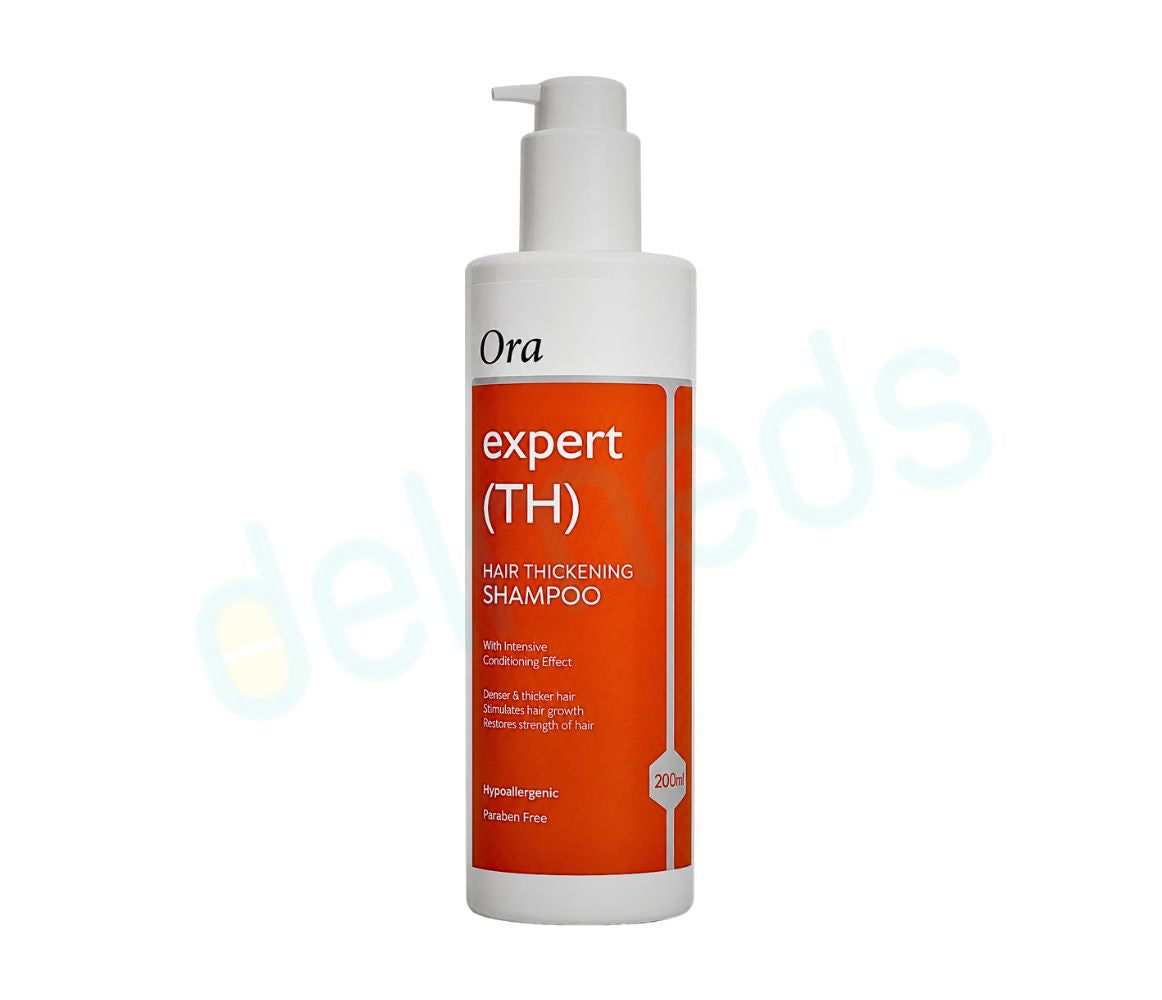
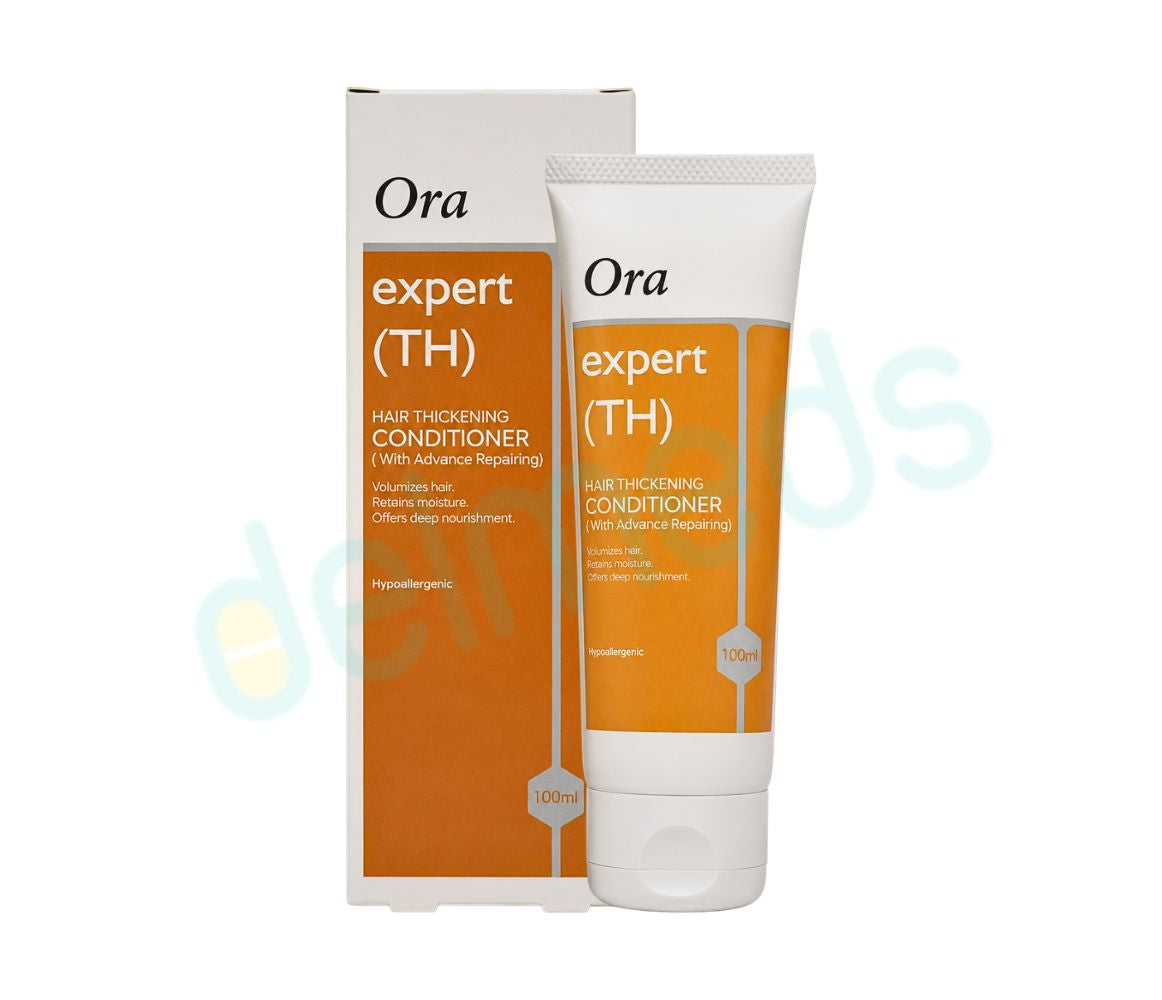
A truly comprehensive self-care regimen looks at the body as an interconnected system. For instance, while managing skin tone, many individuals also choose to optimise their hair health, utilising targeted Clinical Hair Regrowth and Thickening solutions to support overall vitality and confidence.
Clinical trials have continually demonstrated the efficacy of glutathione in managing skin tone. A study published in the Journal of Dermatological Treatment showed that oral administration of glutathione resulted in a statistically significant reduction in melanin index scores across multiple skin areas over a twelve-week period. Participants also reported improvements in skin elasticity and moisture levels.
In terms of safety, glutathione is remarkably well-tolerated because it is a substance that the human body already produces. However, quality matters. When choosing oral supplements, look for clinical-grade formulations that optimize bioavailability, ensuring that the active ingredients survive the digestive tract and successfully reach your cellular pathways.
Glutathione helps fade dark spots by directly inhibiting the tyrosinase enzyme, which is essential for melanin production. It also neutralises free radicals from UV exposure and shifts melanin production from the darker eumelanin to the lighter pheomelanin.
No skincare treatment can offer permanent results if the underlying triggers are not managed. While glutathione can significantly fade existing dark spots, new spots can still form if your skin is exposed to unprotected sun, hormonal shifts, or inflammation.
Results vary based on individual metabolism and the severity of the hyperpigmentation. Most clinical studies show visible improvements in skin clarity and tone within six to twelve weeks of consistent daily use.
Yes, daily use of oral glutathione is considered safe for most healthy individuals when taken in appropriate clinical dosages. It is always wise to consult with a healthcare professional before starting any new supplement regimen.
They actually work best when paired together. Vitamin C helps to regenerate oxidized glutathione in the body, magnifying its antioxidant capacity. Using them in tandem provides a highly synergistic effect for skin brightening.
Oral glutathione is highly tolerated with minimal side effects. Some individuals may experience mild digestive upset initially. It is crucial to source high-quality, clinical-grade supplements to avoid unnecessary additives.
Topical glutathione creams can help, but they often struggle to penetrate deeply enough into the skin to clear stubborn melasma on their own. For best results, pair them with oral supplements and professional topical treatments.
Dark spots return when the melanocytes are reactivated by external triggers like sunlight, heat, or hormonal changes. Consistent sun protection is the single most important factor in maintaining your results.
Yes, glutathione is gentle on sensitive skin because it works primarily as a soothing antioxidant rather than an aggressive exfoliating acid. It is ideal for individuals who cannot tolerate harsh chemical peels.
To get the best results, combine oral glutathione supplements with a strict daily application of medical sunscreen, an active cell-turnover serum, and a deeply nourishing barrier repair cream.
The Master Antioxidant: Glutathione is a natural tripeptide that works from within to neutralise oxidative stress and inhibit the key enzyme behind hyperpigmentation.
Multi-Action Pigment Control: It stops dark spot formation by blocking tyrosinase, reducing cellular inflammation, and shifting melanin production to lighter tones.
Holistic Synergy is Crucial: For the best results, combine systemic glutathione support with targeted topical retinoids, barrier-repairing hydrators, and medical-grade sunscreens.
Patience Pays Off: Consistency is the secret to success, with most clinical studies showing visible, measurable improvements in six to twelve weeks.
DISCLAIMER : This website provides general information for educational purposes only and should not be considered a substitute for professional medical advice, diagnosis, or treatment. Always seek the guidance of a qualified healthcare professional with any questions you may have regarding a medical condition. Do not disregard professional medical advice or delay seeking it because of information you've read on this website. Your health is important – when in doubt, consult a doctor.