Your shopping cart
😊 Product added to cart successfully
Product removed to cart successfully

Finding the right exfoliating acid can feel like navigating a minefield when you have melanin rich skin. Many of us have fallen into the trap of using harsh chemical exfoliants only to wake up with dark patches, redness, and a damaged skin barrier. 1 night, several years ago, my cousin tried a high concentration glycolic acid peel to get a quick glow before a family wedding. Within 24 hours, her face was covered in angry, dark brown patches. Instead of a radiant glow, she got a severe case of post inflammatory hyperpigmentation. That was the moment I realized that much of the skincare advice popular in western media simply does not translate well to Indian skin.
Our skin is uniquely beautiful, but it is also highly reactive. When Indian skin faces irritation, its natural response is to produce more melanin, leading to stubborn dark spots and uneven tone. This is why we need a gentle, sophisticated approach to chemical exfoliation. Enter mandelic acid, an underrated alpha hydroxy acid that is quiet, slow acting, and incredibly effective. Let us dive deep into why this specific molecule is a game changer for Indian skin and how you can weave it into your daily skincare routine.
To understand why mandelic acid works so beautifully, we first need to look at the biological makeup of Indian skin. Most Indian skin tones fall between Type IV and Type VI on the Fitzpatrick scale. This means our skin contains more active melanocytes, which are the cells responsible for producing melanin. While this abundance of melanin provides some natural protection against premature aging and sun damage, it also makes our skin highly prone to hyperpigmentation.
Any insult to the skin, whether it is an acne flare up, a scratch, or a strong chemical acid, can trigger these melanocytes into overdrive. This reaction is known as post inflammatory hyperpigmentation. Traditional exfoliating acids like glycolic acid have a tiny molecular size. They rush into the skin rapidly, causing micro inflammation that can trigger this exact hyperpigmentation cycle. Indian skin requires a molecule that behaves differently, one that works slowly without alarming the defense systems of the skin.
Mandelic acid is derived from bitter almonds and is a member of the alpha hydroxy acid family. However, it possesses a unique chemical structure that sets it apart from its cousins, glycolic acid and lactic acid. The secret lies in its molecular weight and size.
The Power of Molecular Size: Mandelic acid has a molecular weight of 152.1 daltons, which is almost double the size of glycolic acid. Because of its larger size, it penetrates the epidermis much more slowly and evenly. It does not shock the skin or trigger the inflammatory cascade that leads to dark spots.
Lipophilic Properties: Unlike most water soluble alpha hydroxy acids, mandelic acid is slightly oil soluble. This allows it to penetrate deep into greasy pores to dissolve sebum and dead cells, making it an excellent option for acne prone skin while remaining incredibly gentle on the surface.
By taking its time to enter the skin, this gentle giant offers all the resurfacing benefits of chemical exfoliation without the unwanted side effects of irritation, peeling, and subsequent darkening.
Hyperpigmentation is one of the most common skincare concerns in India. Whether it is caused by sun exposure, hormonal fluctuations, or old acne scars, getting rid of dark spots can take months. Mandelic acid acts as a powerful tyrosinase inhibitor. Tyrosinase is the enzyme responsible for melanin production. By slowing down this enzyme, mandelic acid helps fade existing dark spots and prevents new ones from forming. It is particularly effective for melasma, a stubborn form of pigmentation that often resists other treatments.
Because mandelic acid has lipophilic qualities, it is able to slip into the pores and break down the sticky mixture of oil and dead skin cells that causes blackheads and pustules. It also possesses natural antibacterial properties. This makes it highly effective against acne vulgaris, targeting the bacteria responsible for breakouts without drying out the skin barrier. Over time, as the pores are kept clear, they naturally appear smaller and more refined.
As we established, Indian skin is prone to hyperpigmentation when irritated. Many dermatologists hesitate to prescribe strong peels to patients with deeper skin tones due to this risk. Mandelic acid is widely considered the safest acid for Fitzpatrick skin types IV through VI. It provides a controlled, predictable exfoliation that delivers clinical results without causing thermal or chemical trauma to the delicate cutaneous layers.
By encouraging cellular turnover, mandelic acid helps shed the dull, dead cells on the surface of the skin, revealing a brighter, more even complexion underneath. It also stimulates the production of collagen, the structural protein that keeps our skin firm and bouncy. Regular use leads to a smoother texture and a reduction in the appearance of fine lines.
While mandelic acid is incredibly gentle, it is still an active ingredient. To get the best results, you must use it strategically and pair it with the right supporting products. Here is how you can build an effective, daily skincare ritual.
Always start with a gentle, pH balanced cleanser to remove dirt and excess sebum. Pat your skin dry. Applying active acids to damp skin can increase absorption speed, which might cause unnecessary irritation, even with mild acids.
Apply a few drops of your mandelic acid serum to your face, avoiding the immediate eye area. Start by using it two to three times a week at night. Once your skin builds tolerance, you can gradually increase usage to every night. If you are also targeting signs of aging, you might consider alternating your exfoliating nights with a specialized retinol product, such as the Ora Needle Anti-Ageing Serum, which works to accelerate cell turnover through a different biological pathway.
Exfoliation, even when gentle, can leave the skin temporarily vulnerable. It is vital to restore moisture and reinforce the lipid barrier. Look for soothing moisturisers rich in ceramides, hyaluronic acid, and fatty acids. Utilizing high quality Barrier Repair and Intensive Hydrators immediately after your acid application will lock in moisture, prevent trans epidermal water loss, and keep your skin plump and resilient.
Using any exfoliating acid makes your skin more sensitive to ultraviolet radiation. If you exfoliate at night but skip sunscreen the next morning, you will end up with more pigmentation than you started with. Always apply a generous amount of Broad-Spectrum Medical Sunscreens every single day, regardless of whether you are staying indoors or stepping out into the bright Indian sun. This step is absolutely essential to prevent summer skin darkening and long term photoaging.
For a truly holistic approach to skin health, you can also support your topical routine from within. Many dermatologists recommend pairing targeted topical treatments with Dermatological Nutraceuticals to supply your body with the antioxidants and vitamins needed to regenerate healthy, glowing skin cells from the inside out.
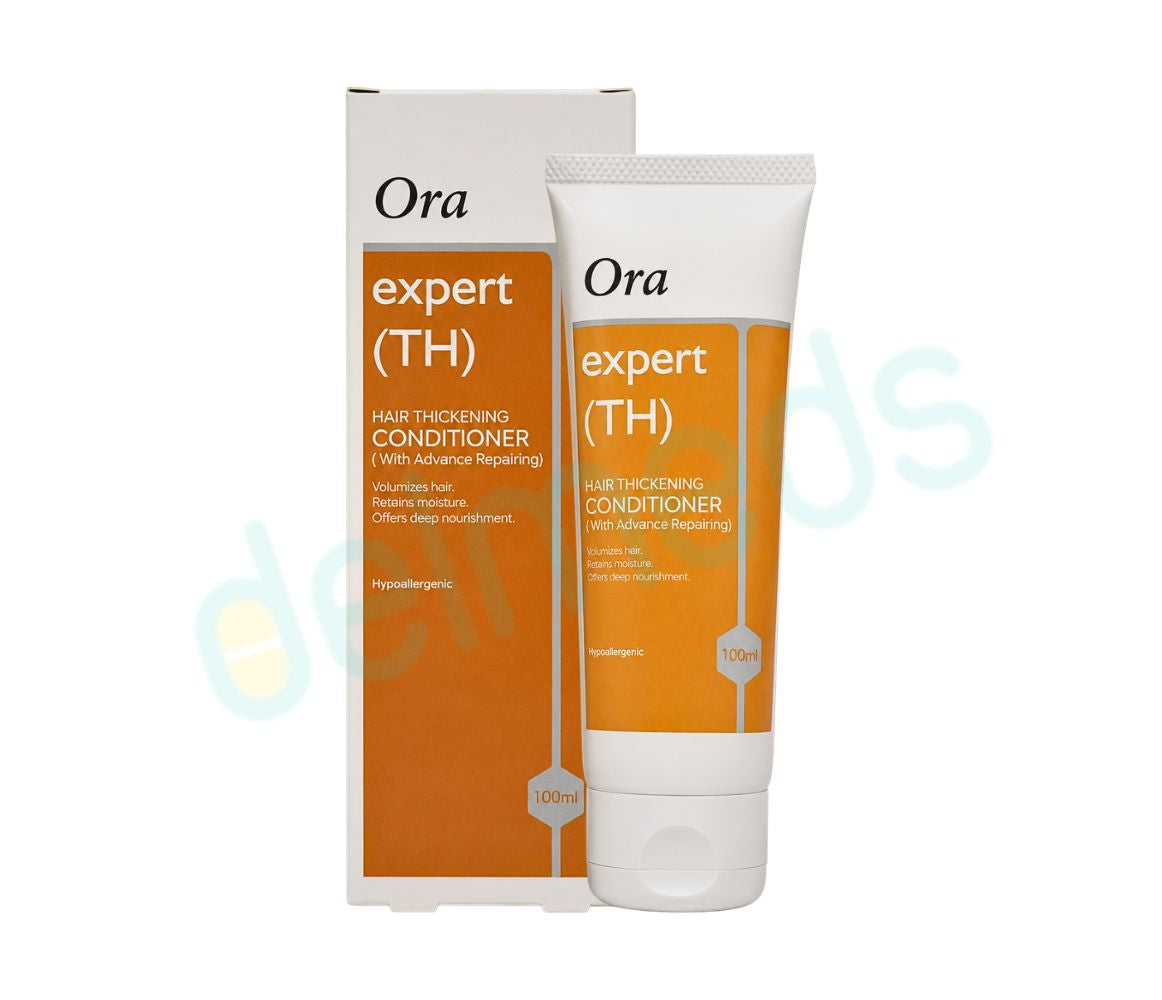
While you focus on perfecting your facial skincare, do not forget that grooming is a complete experience. If you are also addressing concerns like thinning hair or scalp health, incorporating structured systems like Clinical Hair Regrowth and Thickening can help you achieve a balanced, healthy look from head to toe.
To understand why mandelic acid reigns supreme for Indian skin, let us compare it directly with other common chemical exfoliants.
Mandelic Acid vs Glycolic Acid: Glycolic acid is the darling of the skincare world, but its tiny molecular size makes it highly aggressive. It can easily burn deeper skin tones, leading to dark patches. Mandelic acid is much larger, penetrates slowly, and carries almost zero risk of hyperpigmentation.
Mandelic Acid vs Salicylic Acid: Salicylic acid is a beta hydroxy acid that is highly oil soluble and excellent for oily, acne prone skin. However, it can be quite drying. Mandelic acid offers a middle ground, it is gentle enough for dry, sensitive skin while still providing acne clearing benefits due to its mild oil solubility.
Mandelic Acid vs Lactic Acid: Lactic acid is derived from milk and is highly hydrating. It is a fantastic option for dry skin, but its molecular size is still smaller than mandelic acid. For those with highly reactive skin prone to PIH, mandelic acid remains the safer choice.
Yes, you can eventually use mandelic acid daily, but it is best to start slow. Begin by using it two to three times a week. Watch how your skin responds. If you experience no redness or flaking after two weeks, you can slowly increase the frequency to every night.
Because mandelic acid increases cellular turnover and clears out pores, it can cause some mild purging. This means any underlying blockages may surface as small blemishes. This is temporary and usually resolves within two to four weeks, revealing much clearer skin.
It is generally recommended to avoid layering mandelic acid and vitamin C in the same routine, as using multiple acids together can lead to irritation. Instead, use your vitamin C serum in the morning to protect against environmental damage and apply your mandelic acid at night to repair and exfoliate.
Yes, mandelic acid is widely considered the safest exfoliating acid for sensitive skin. Its slow absorption rate ensures that the skin barrier is not overwhelmed, minimizing the risk of redness, burning, or peeling.
While you may notice a smoother texture and a brighter complexion within a couple of weeks, deeper concerns like hyperpigmentation and melasma typically take six to twelve weeks of consistent use to show significant improvement.
Unlike salicylic acid and retinoids, which are often restricted during pregnancy, mandelic acid is generally considered safe to use. However, you should always consult with your obstetrician or dermatologist before starting any new active skincare product during pregnancy.
No, mandelic acid does not thin the skin. While it removes the dead, outermost layer of cells, it actually stimulates collagen production in the deeper layers, which helps make the skin firmer and more resilient over time.
Yes, mandelic acid is excellent for treating body acne, strawberry legs, keratosis pilaris, and hyperpigmentation in sensitive areas like the underarms or inner thighs. Its gentle nature makes it perfect for delicate body skin.
Yes, mandelic acid has mild lipophilic properties, meaning it can dissolve in oil. This allows it to penetrate oily pores, regulate sebum production, and reduce acne breakouts without causing the rebound oiliness that often follows harsh treatments.
Yes, you should always apply a nourishing moisturiser after using mandelic acid. This helps soothe the skin, lock in hydration, and support the natural lipid barrier, ensuring your skin remains healthy and glowing.
DISCLAIMER : This website provides general information for educational purposes only and should not be considered a substitute for professional medical advice, diagnosis, or treatment. Always seek the guidance of a qualified healthcare professional with any questions you may have regarding a medical condition. Do not disregard professional medical advice or delay seeking it because of information you've read on this website. Your health is important – when in doubt, consult a doctor.