Your shopping cart
😊 Product added to cart successfully
Product removed to cart successfully

Rainy season skin problems increase mainly because moisture stays on the skin for longer. Fungi thrive in warm and moist environments, and damp clothes, wet shoes, sweaty skin folds, and humid weather make it easier for fungal growth to occur. Recent reporting from Bengaluru also noted a rise in fungal and yeast infections during prolonged humid weather, with doctors linking the increase to persistent humidity, reduced sweat evaporation, and limited sunlight.
Rainy weather can also increase bacterial growth, especially when sweat, friction, and scratching damage the skin barrier. If you scratch an itchy rash, the skin can break and allow bacteria to enter.
Common triggers include:
Wet clothes staying on the body for long
Damp socks and shoes
Not drying between toes
Tight synthetic clothing
Sweat trapped in skin folds
Using the same damp towel repeatedly
Sharing towels or personal items
Scratching rashes
Using steroid-mix creams without advice
Poor foot hygiene
Pollution and dirty rainwater exposure
Fungal infection is one of the most common skin problems during the rainy season. Ringworm can appear as circular, red, itchy, scaly patches that may slowly spread outward. It can affect the body, groin, feet, scalp, or nails.
Despite the name, ringworm is not caused by a worm. It is a fungal infection. It spreads easily through direct contact, shared towels, clothes, socks, bedding, and contaminated surfaces. CDC advises keeping skin clean and dry, avoiding shared towels or socks, changing socks and underwear daily, and using protective footwear in public showers or locker rooms to reduce risk.
Keep skin clean and dry
Change sweaty or wet clothes quickly
Do not share towels, socks, razors, or clothes
Wash towels properly and dry them fully
Wear breathable cotton clothing
Avoid scratching itchy patches
Do not use steroid creams unless advised
Consult a dermatologist if the rash spreads or returns
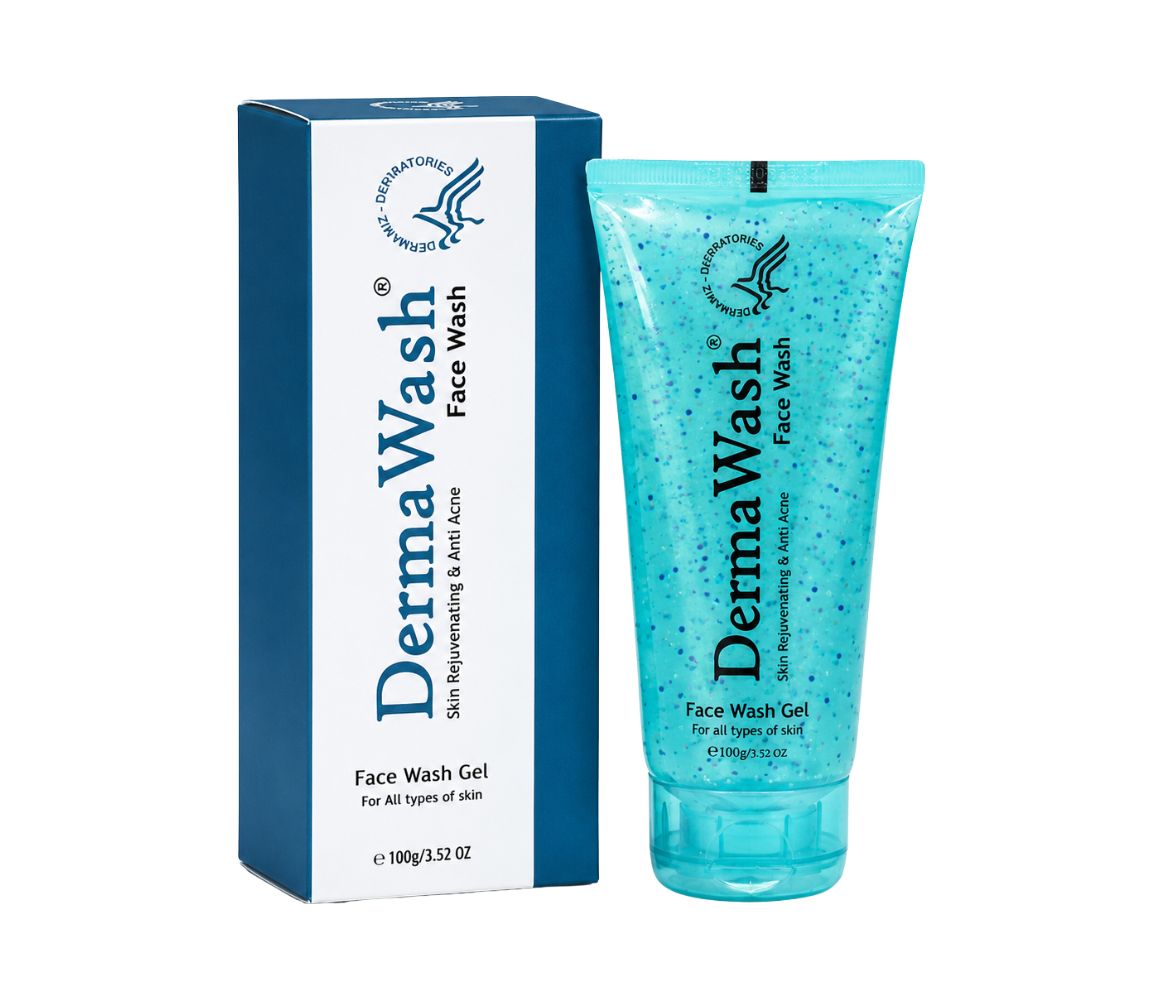
A gentle cleanser like DermaWash Face Wash may help with daily facial cleansing, especially when sweat, sunscreen, and pollution build up during humid weather. For body rashes, avoid harsh scrubbing and get proper advice if infection is suspected.
Athlete’s foot is a fungal infection that usually affects the feet, especially between the toes. It can cause itching, peeling, burning, cracking, bad odour, and sometimes painful skin breaks.
Rainy season increases the risk because feet often stay wet in shoes, socks, sandals, or floodwater. Closed footwear, damp socks, and poor drying between toes can make the problem worse.
Mayo Clinic recommends keeping feet clean and dry, drying gently between the toes, changing socks regularly, rotating shoes so they dry properly, and using protective footwear in public wet areas like pools, locker rooms, and showers.
Wash feet after coming home
Dry carefully between toes
Change socks daily or more often if sweaty
Avoid wearing damp shoes again
Rotate footwear during monsoon
Use breathable footwear when possible
Do not share socks or shoes
Avoid walking barefoot in public wet areas
Jock itch is a fungal rash around the groin, inner thighs, and buttock folds. It is common during humid weather because the groin area stays warm, sweaty, and covered for long periods.
It may cause itching, redness, burning, scaling, and a ring-like rash. Tight jeans, synthetic underwear, sweating, obesity, long sitting hours, and not drying properly after bathing can increase the risk.
Wear clean cotton underwear
Change underwear daily
Avoid tight synthetic clothing
Dry the groin area properly after bathing
Change sweaty clothes after workouts
Avoid sharing towels
Do not scratch
Seek care if rash spreads, burns, or keeps returning
Skin folds are especially vulnerable during the rainy season. Areas like underarms, under-breast region, belly folds, groin, inner thighs, and neck folds can trap sweat and moisture.
This can lead to redness, itching, friction rash, fungal growth, odour, and burning discomfort. People with higher sweating, diabetes, obesity, tight clothing, or long outdoor exposure may experience this more often.
Dry skin folds after bathing
Use a clean towel for folds
Wear loose breathable clothing
Change sweaty clothes quickly
Avoid strong fragrance on irritated skin
Avoid rubbing or scrubbing the area
Keep folds dry during the day
Consult a dermatologist if rash is painful, spreading, or oozing
For body hygiene in humid weather, a gentle body cleanser or body wash from the body care category can be useful, but suspected fungal rashes need proper diagnosis and suitable care rather than random cosmetic products.
Folliculitis happens when hair follicles become inflamed. It can look like small red bumps, pus-filled bumps, acne-like eruptions, or tender spots on the chest, back, thighs, arms, scalp, or buttocks.
During the rainy season, sweat, tight clothing, friction, shaving, damp clothes, and poor hygiene can increase the chances of folliculitis.
Shower after sweating
Wear loose breathable clothes
Avoid tight workout wear for long hours
Do not reuse sweaty clothes
Avoid harsh scrubbing
Use clean razors if shaving
Do not pick or squeeze bumps
Seek medical care if bumps are painful or pus-filled
Boils are painful, swollen, pus-filled bumps caused by bacterial infection around hair follicles or skin breaks. During the monsoon, scratching itchy rashes or insect bites can break the skin and allow bacteria to enter.
Secondary bacterial infection may show as increasing redness, warmth, swelling, pain, pus, crusting, fever, or fast-spreading rash.
Hospital dermatology guidance notes that humidity, sweating, and skin staying wet for long periods can contribute to bacterial problems such as impetigo and boils, especially when minor cuts, scratches, or insect bites become infected.
Do not scratch itchy rashes
Keep nails short and clean
Clean minor cuts properly
Avoid squeezing boils
Do not share towels
Change sweaty clothes
Consult a doctor if pus, pain, fever, or spreading redness appears
Rainy weather can trigger acne-like bumps on the back, chest, shoulders, and buttocks. Sweat, tight clothes, friction, backpacks, helmets, and damp fabric can clog pores and irritate skin.
This may look like pimples, bumps, or itchy acne-like eruptions. Sometimes people confuse fungal folliculitis with normal acne, so persistent or itchy bumps should be checked.
Shower after sweating
Wear breathable clothing
Avoid tight synthetic clothes
Change wet clothes quickly
Keep towels clean and dry
Avoid heavy body oils during humid weather
Use non-comedogenic products
Do not scrub aggressively
Contact dermatitis happens when the skin reacts to something irritating or allergenic. During monsoon, wet clothes, detergents, fragrance, deodorants, rainwater contaminants, rubber footwear, and synthetic fabrics can trigger irritation.
Symptoms may include redness, itching, burning, swelling, dryness, or rash in areas that touched the trigger.
Change wet clothes quickly
Rinse skin after exposure to dirty rainwater
Avoid fragranced products on irritated skin
Use mild detergent for clothes
Do not wear wet footwear for long
Avoid repeated rubbing
Use moisturiser if skin feels dry
Seek care if rash is severe or recurring
Feet need extra attention in the rainy season. Wet socks and closed shoes can increase moisture around the toes, and this may lead to athlete’s foot or nail fungal infection.
Nail fungus may appear as thickened, yellow, brittle, or discoloured nails. It usually takes longer to improve than a simple skin infection.
Dry feet completely after washing
Do not wear wet shoes repeatedly
Use open breathable footwear when safe
Rotate shoes
Keep toenails short and clean
Do not share nail cutters
Wear slippers in public wet areas
Get persistent nail changes checked
Rainy season can increase mosquitoes and insects. Bites may cause itching, swelling, redness, and irritation. Repeated scratching can create wounds and increase infection risk.
Avoid scratching bites
Keep nails short
Use protective clothing
Keep surroundings clean
Avoid stagnant water near home
Use suitable repellents as advised
Clean bites gently
Seek care if swelling, pus, or fever appears
A towel that does not dry properly can become a source of skin irritation and microbial growth. Reusing damp towels, wearing semi-dry clothes, or storing wet laundry in closed spaces can worsen rainy season skin issues.
AAD advises that for ringworm-prone skin, affected areas should be washed and dried with a clean towel, and towels should be washed before reuse to reduce spread.
Use fully dry towels
Wash towels regularly
Do not share towels
Dry clothes completely before wearing
Do not keep wet clothes in bags for long
Change innerwear daily
Use sunlight or proper ventilation to dry laundry
Bathe with a gentle cleanser
Dry skin folds properly
Wear clean and breathable clothes
Choose dry socks and footwear
Apply sunscreen if stepping outdoors
Avoid heavy fragrance on sweaty areas
For sun exposure between rain spells, choose comfortable sunscreens, because UV exposure can still affect tanning, pigmentation, and photoageing even during cloudy weather.
Change wet clothes as soon as possible
Wash feet if exposed to dirty water
Dry between toes
Do not sit in damp jeans or socks
Use a fresh towel
Avoid scratching itchy skin
Keep shoes for drying
Shower if possible
Change sweaty clothes
Dry underarms, groin, feet, and skin folds
Avoid rewearing damp workout clothes
Keep towels separate and clean
Cleanse sweat, pollution, and sunscreen
Dry the body well
Use moisturiser if skin feels dry
Keep feet clean and dry
Wear loose night clothes
Avoid applying random creams on rashes
Do not keep wearing wet clothes
Do not wear damp socks repeatedly
Do not share towels
Do not scratch fungal rashes
Do not use steroid-mix creams randomly
Do not apply lemon, toothpaste, or harsh DIY remedies
Do not ignore spreading rashes
Do not use heavy body oils on infected areas
Do not scrub irritated skin
Do not delay care if pus, pain, or fever appears
Many people use combination creams for itching or ringworm without knowing what is inside. Some contain steroids mixed with antifungals or antibiotics. These can reduce redness temporarily but may worsen fungal infections, make them spread, change their appearance, or make them harder to treat.
CDC’s emerging ringworm guidance also warns not to use steroid creams unless a healthcare provider tells you to.
If a rash is itchy, circular, spreading, recurring, or present in the groin, feet, or folds, get proper advice instead of using random creams.
Consult a dermatologist if:
Rash is spreading
Rash is painful or burning
There is pus or oozing
There is swelling or warmth
Rash keeps coming back
Itching is severe
Skin is cracked or bleeding
Ring-like patches are increasing
Groin rash is not improving
Feet are peeling or cracking badly
Nails become yellow or thick
You have diabetes or low immunity
Home care is not helping
Early care prevents spread and recurrence.
Skin infections become more common because humidity, sweat, wet clothes, damp shoes, and poor drying keep the skin moist for long periods. Fungi and bacteria grow more easily in warm and damp conditions.
Fungal infections such as ringworm, athlete’s foot, and jock itch are very common during monsoon because fungi grow well in moist areas.
Keep skin clean and dry, change wet clothes quickly, wear breathable clothing, dry between toes, avoid sharing towels, change socks daily, and avoid steroid creams unless prescribed.
Wet clothes can trap moisture, sweat, and friction against the skin, increasing the risk of fungal rashes, irritation, body odour, and bacterial problems.
Feet may itch due to athlete’s foot, damp socks, wet shoes, sweating, or irritation from dirty rainwater. Drying between toes and changing footwear can help reduce risk.
Yes, ringworm can spread through direct contact, shared towels, clothes, socks, bedding, pets, and contaminated surfaces.
Avoid applying heavy creams or oils on suspected fungal rashes unless advised, because moisture and occlusion may worsen fungal growth. Get proper diagnosis if the rash is itchy, circular, or spreading.
Steroid creams should not be used randomly. They can temporarily reduce itching but may worsen fungal infections or make them harder to identify.
Change clothes quickly, wash and dry feet, dry skin folds properly, avoid sitting in damp clothes, and use a clean towel.
See a doctor if the rash spreads, burns, oozes, forms pus, causes pain, keeps returning, affects the groin or feet repeatedly, or does not improve with basic hygiene.
Rainy season increases skin problems because humidity and dampness keep skin wet for long hours.
Common issues include ringworm, athlete’s foot, jock itch, skin-fold rashes, folliculitis, boils, body acne, and irritation.
Keep skin clean and dry, especially feet and folds.
Change wet clothes and socks quickly.
Do not share towels, socks, razors, or clothes.
Dry between toes after bathing or rain exposure.
Avoid tight synthetic clothing.
Do not scratch itchy rashes.
Do not use steroid-mix creams without medical advice.
Consult a dermatologist if rashes spread, ooze, hurt, or keep returning.
Rainy season skin problems are common, but many of them can be prevented with simple daily habits. The most important rule is to avoid prolonged dampness. Keep your skin dry, change wet clothes quickly, dry your feet and folds properly, wear breathable fabrics, and avoid sharing personal items.
Fungal infections, rashes, body acne, athlete’s foot, and boils often begin with moisture, sweat, friction, and poor hygiene. Small changes like using clean towels, rotating footwear, washing after sweat exposure, and avoiding random steroid creams can protect your skin during monsoon.
The key is early care.
Do not wait for a rash to spread. Do not keep scratching. Do not self-use strong creams. If a rash is painful, spreading, oozing, or recurring, consult a dermatologist.
Monsoon skincare is not about doing more. It is about staying clean, dry, protected, and consistent.
DISCLAIMER : This website provides general information for educational purposes only and should not be considered a substitute for professional medical advice, diagnosis, or treatment. Always seek the guidance of a qualified healthcare professional with any questions you may have regarding a medical condition. Do not disregard professional medical advice or delay seeking it because of information you've read on this website. Your health is important – when in doubt, consult a doctor.