Your shopping cart
😊 Product added to cart successfully
Product removed to cart successfully

SPF 50 sounds powerful.
For many people, it feels like the highest number automatically means the best sunscreen. So when they shop for sunscreen, they look at the front label, see SPF 50, and feel satisfied. Some even think SPF 50 means they can stay in the sun longer, apply less product, skip reapplication, or avoid tanning completely.
But sunscreen does not work that way.
SPF 50 can be a good choice, especially in Indian weather, outdoor exposure, sweating, travel, pigmentation-prone skin, and long commuting hours. But SPF 50 does not always mean better protection if the sunscreen is not broad-spectrum, not applied in enough quantity, not reapplied, not suitable for your skin type, or not comfortable enough for daily use.
A sunscreen with SPF 50 used incorrectly may protect less than an SPF 30 sunscreen used properly.
That is the part most people miss.
The real question is not only “What SPF should I use?” The better question is “Am I using the right sunscreen in the right way?”
Let’s understand why SPF 50 does not always mean better protection and what actually matters when choosing sunscreen for Indian skin.
SPF stands for Sun Protection Factor. It mainly tells you how well a sunscreen protects against UVB rays.
UVB rays are strongly linked with sunburn. They are also involved in skin damage. SPF does not directly tell you the full level of UVA protection. This is important because UVA rays can contribute to tanning, pigmentation, premature ageing, and deeper skin damage.
This means SPF is only one part of the sunscreen story.
For example, an SPF 50 sunscreen may offer strong UVB protection, but if it does not provide good UVA protection, it may not be enough for people dealing with pigmentation, melasma, tanning, acne marks, or photoageing.
That is why you should always look for broad-spectrum sunscreen, not just a high SPF number.
Many people assume SPF 50 is twice as protective as SPF 25 or much stronger than SPF 30.
In reality, the difference is smaller than most people think.
SPF 30 blocks about 97% of UVB rays when applied correctly. SPF 50 blocks slightly more. The jump from SPF 30 to SPF 50 is not as dramatic as the number makes it feel.
This does not mean SPF 50 is useless. It can still be helpful, especially when you are outdoors or exposed for longer periods. But it does mean SPF 50 is not a free pass to apply less, skip reapplication, or ignore shade.
The biggest mistake is thinking, “I am using SPF 50, so I am fully protected.”
No sunscreen blocks 100% of UV rays. Higher SPF reduces exposure, but it does not remove the need for correct application, reapplication, and physical protection.
SPF focuses mostly on UVB protection. But skin damage is not caused by UVB alone.
UVA rays can pass deeper into the skin and are strongly linked with tanning, pigmentation, collagen breakdown, and premature ageing. UVA exposure can happen even when you do not burn. This is especially important for Indian skin because many people tan or pigment more easily than they burn.
So if your concern is dark spots, melasma, acne marks, tanning, uneven skin tone, or ageing signs, SPF number alone is not enough.
You need broad-spectrum protection. Broad-spectrum sunscreen is designed to protect against both UVA and UVB rays.
When choosing sunscreen, do not stop at SPF 50. Check for terms like broad-spectrum, PA rating, UVA protection, or similar UVA protection indicators depending on the product label.
A lower SPF broad-spectrum sunscreen used properly may be more useful than a high SPF sunscreen that only focuses on UVB protection.
This is the biggest real-world sunscreen mistake.
Most people apply far less sunscreen than required. They use a small dot on each cheek, spread it thinly, and assume they are protected. But sunscreen testing is done using a specific amount. If you apply much less than that, you may not get the SPF written on the label.
So your SPF 50 may behave like a much lower SPF in real life if you apply only a thin layer.
For the face and neck, the two-finger method is a practical everyday guide. It means applying sunscreen along the length of two fingers and spreading it evenly over the face and neck. It is not perfect for every face size or every texture, but it helps people avoid under-application.
Do not forget the ears, upper lip, hairline, sides of the face, eyelids if tolerated, neck, and back of the neck. These are common areas where tanning and pigmentation show up because sunscreen is missed.
SPF 50 is useful only when you apply enough of it.
A common myth is that higher SPF lasts longer.
SPF 50 does not mean you can apply it once in the morning and forget it until evening.
Sunscreen wears down because of sweat, oil, humidity, water, face wiping, masks, helmets, makeup, friction, and touching the skin. In Indian weather, this happens even faster because heat and sweating are common.
If you are outdoors, sunscreen should be reapplied regularly. If you are sweating, swimming, wiping your face, travelling, or riding a two-wheeler, reapplication matters even more.
This is why many people still tan despite using SPF 50. The problem may not be the sunscreen. The problem may be that the protection was not maintained during the day.
A sunscreen that you can comfortably reapply is better than a heavy SPF 50 sunscreen that you avoid after one use.
The best sunscreen is not always the one with the highest SPF. It is the one you will actually use every day in the correct amount.
If a sunscreen feels greasy, sticky, heavy, sweaty, or uncomfortable, most people apply less. Some skip it completely. Some apply it only on sunny days. Some use a pea-sized amount because they cannot tolerate the texture.
That reduces real protection.
For oily and acne-prone skin, gel, fluid, matte, or lightweight lotion textures may feel more comfortable. For dry skin, a hydrating sunscreen may work better. For sensitive skin, fragrance-free or mineral-based options may be preferred by some people.
If you are exploring daily SPF options, choose from lightweight sunscreens that match your skin type, weather, and routine.
A comfortable SPF 30 or SPF 50 used generously and consistently is better than a high-SPF product sitting unused on your shelf.
If the label says SPF 50 but does not clearly provide broad-spectrum protection, it may not be ideal for daily skin protection.
Broad-spectrum matters because daily skin exposure includes both UVA and UVB. UVB contributes strongly to burning, while UVA contributes to tanning, pigmentation, and ageing-related damage.
For Indian skin, this is especially important because people may not burn easily but still tan quickly. You may think your sunscreen is working because there is no redness, but pigmentation or dullness may still worsen if UVA protection is weak or if sunscreen is applied poorly.
When choosing sunscreen, look for:
Broad-spectrum protection.
SPF 30 or higher.
Comfortable texture.
Water resistance if you sweat or stay outdoors.
A finish that suits your skin type.
Good UVA protection indication.
SPF is important, but it should not be the only thing you check.
This is one of the biggest expectations people have.
They apply SPF 50 and expect zero tanning. Then they get disappointed when their face, hands, neck, or feet still become darker.
Sunscreen reduces tanning risk. It does not guarantee complete tanning prevention.
Tanning can still happen because of insufficient quantity, missed areas, no reapplication, long sun exposure, sweating, visible light, heat, and individual melanin response. Indian skin naturally has more active melanin response, which means tanning and pigmentation may appear faster in many people.
This does not mean sunscreen is not working. It means sunscreen is one part of sun protection.
For better results, combine sunscreen with shade, sunglasses, umbrellas, caps, scarves, UPF clothing, and avoiding peak sunlight when possible.
Sunscreen is powerful, but it is not a magic shield.
Higher SPF can sometimes make people careless.
They apply SPF 50 and stay outdoors longer. They do not reapply. They skip hats and shade. They apply less product because they assume the number will compensate. They forget hands, neck, ears, and feet.
This false confidence can lead to more sun exposure than intended.
A lower SPF used carefully may sometimes give better real-world protection than a higher SPF used carelessly.
Think of sunscreen like a seatbelt. A stronger seatbelt is helpful, but only if you wear it properly. If you do not use it correctly, the label does not protect you.
SPF 50 should encourage better protection, not careless exposure.
In Indian heat and humidity, sweat is a major factor.
If you sweat heavily, travel outdoors, exercise, ride a bike, or spend time in humid weather, regular sunscreen may move, thin out, or wear off faster.
This is where water-resistant sunscreen can help. Water-resistant does not mean waterproof. No sunscreen is completely waterproof. It simply means the product is tested to maintain protection for a certain time during water exposure or sweating.
You still need to reapply.
If sunscreen runs into your eyes, slides off your face, or feels heavy in humidity, you may need a better texture or water-resistant format. Outdoor days need more careful sunscreen planning than indoor days.
For people who prefer mineral filters or sensitive-skin-friendly options, mineral sunscreens may be worth exploring based on comfort, white cast, and skin tolerance.
Many foundations, BB creams, primers, and compact powders now come with SPF. That sounds convenient, but makeup with SPF usually cannot replace sunscreen.
Why?
Because people do not apply makeup in the same quantity required to get the SPF on the label. Makeup is also applied unevenly. It may not cover the neck, ears, upper lip, hairline, and hands. It can move with sweat and oil.
If your makeup says SPF 50, treat it as an added layer, not your main protection.
Apply sunscreen first. Let it settle. Then apply makeup. If you are outdoors, use practical reapplication options like sunscreen sticks, compact SPF, or a reapplication-friendly sunscreen texture.
Your base sunscreen matters more than SPF makeup.
Even an SPF 50 sunscreen may not work properly if it is expired or stored badly.
Sunscreen can degrade when exposed to heat, sunlight, or poor storage conditions. Keeping it inside a hot car, near a window, or in direct sunlight for long periods may affect the formula.
Always check the expiry date. Close the cap properly. Store sunscreen in a cool, dry place. If the texture, smell, colour, or consistency changes, avoid using it.
SPF 50 on the bottle only matters if the formula is still stable and usable.
The same sunscreen does not suit everyone.
Oily skin may dislike creamy sunscreens. Dry skin may feel uncomfortable with very matte sunscreens. Sensitive skin may react to fragrance or certain filters. Acne-prone skin may break out from heavy textures. Deeper skin tones may avoid mineral sunscreens if the white cast is strong.
If a sunscreen does not suit your skin, you will not use it properly. That makes protection weaker.
Choose sunscreen based on:
Your skin type.
Your daily sun exposure.
Your sweating level.
Your pigmentation risk.
Your texture preference.
Your ability to reapply.
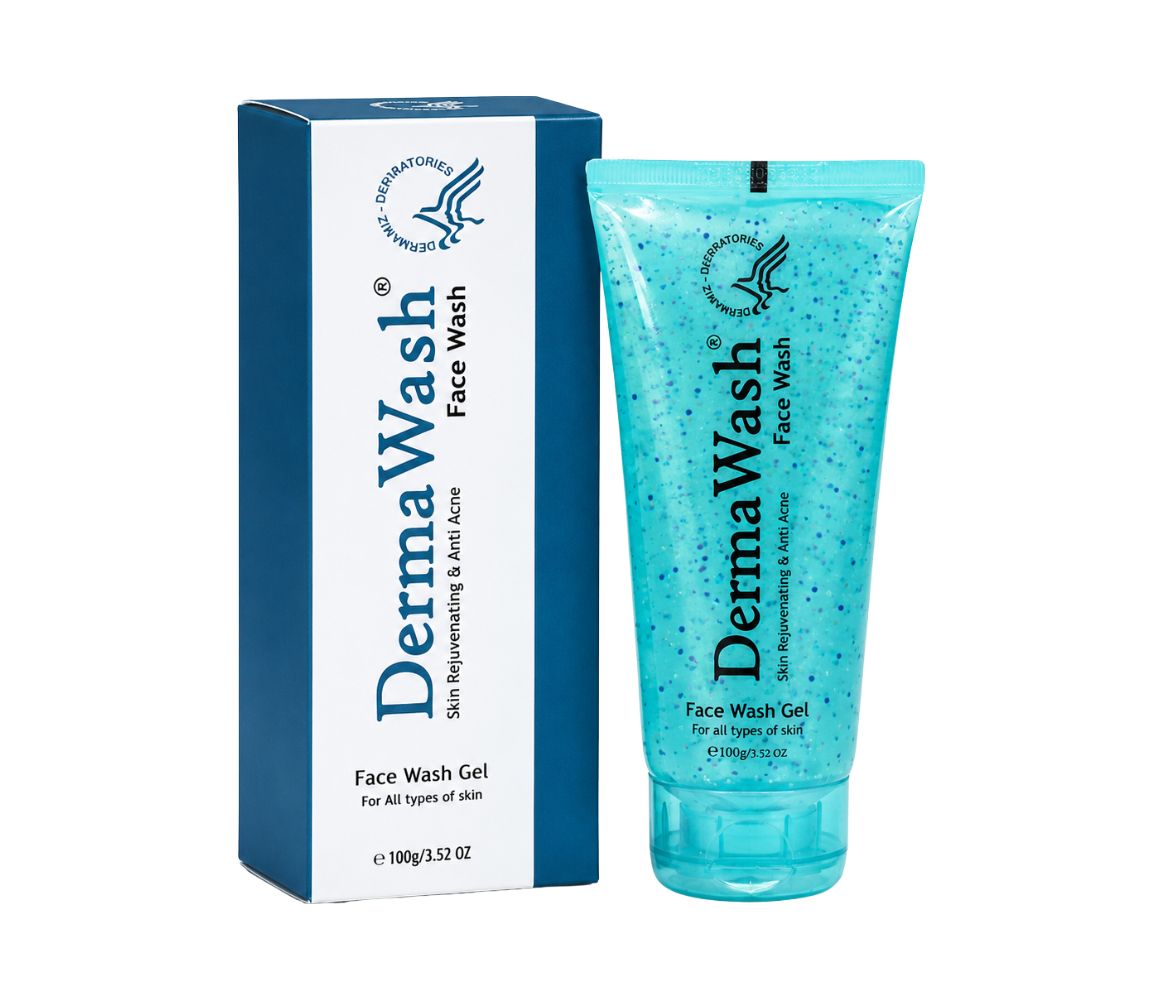
For gentle daily cleansing before sunscreen, especially if sweat, oil, and pollution build up easily, a mild cleanser like DermaWash Face Wash may help remove residue without making the skin feel harshly stripped.
A sunscreen routine works better when the rest of your skincare is also skin-barrier friendly.
SPF 50 can be helpful in many situations.
It may be useful if you spend long hours outdoors, sweat heavily, commute in strong sunlight, have pigmentation-prone skin, use brightening actives, have acne marks, or live in high UV conditions.
But for many daily indoor routines, a broad-spectrum SPF 30 used properly can also provide strong protection.
The issue is not SPF 30 versus SPF 50 as a simple competition. The issue is how well the sunscreen fits your life.
For daily indoor use with short exposure, SPF 30 or SPF 50 may both be reasonable if used correctly. For long outdoor exposure, SPF 50 or higher broad-spectrum, water-resistant sunscreen may be more suitable.
Your sunscreen should match your exposure level.
Do not apply a pea-sized amount and expect full protection.
Do not skip reapplication outdoors.
Do not rely only on SPF number.
Do not forget broad-spectrum protection.
Do not ignore UVA protection.
Do not skip sunscreen on cloudy days.
Do not use expired sunscreen.
Do not rely only on makeup with SPF.
Do not forget neck, ears, lips, hairline, hands, and feet.
Do not use a sunscreen texture you hate, because you will not use enough.
Choose broad-spectrum sunscreen.
Use SPF 30 or higher for daily protection.
Consider SPF 50 for longer outdoor exposure.
Choose water-resistant sunscreen if you sweat or swim.
Pick a texture that suits your skin type.
Apply enough sunscreen.
Reapply when outdoors.
Use hats, sunglasses, shade, and protective clothing.
Remove sunscreen properly at night.
Do not keep switching products too quickly unless irritation occurs.
The best sunscreen is not just the highest SPF. It is the sunscreen you can use correctly, generously, and consistently.
SPF 50 gives slightly more UVB protection than SPF 30, but the difference is not as large as many people think. Correct application, broad-spectrum protection, and reapplication matter more.
No. No sunscreen blocks 100% of UV rays. SPF 50 reduces UVB exposure, but it does not provide complete protection.
No, SPF 50 cannot fully prevent tanning. It can reduce tanning risk, but tanning may still happen due to missed areas, low quantity, no reapplication, heat, visible light, and long exposure.
SPF 50 can be useful for Indian skin, especially for tanning and pigmentation-prone concerns, but it should be broad-spectrum and used correctly.
Broad-spectrum protection, correct quantity, reapplication, water resistance, texture, and daily consistency are all very important.
Reapply approximately every two hours when outdoors, and sooner after sweating, swimming, wiping your face, or towel drying.
Yes, SPF 30 can be suitable for daily use if it is broad-spectrum and applied correctly. For extended outdoor exposure, SPF 50 may be a better option.
You may be applying too little, missing areas, not reapplying, sweating it off, or staying in strong sunlight for too long. Sunscreen reduces tanning risk but does not stop it completely.
Usually no. Makeup with SPF is not applied in enough quantity to replace sunscreen. Use a proper sunscreen underneath.
Oily skin can use SPF 50 if the texture is comfortable. Gel, fluid, matte, or non-greasy sunscreens may suit oily skin better.
Both can work if formulated well and used correctly. Mineral sunscreens may suit some sensitive skin types, while chemical sunscreens may feel lighter for others. Choose based on tolerance and daily comfort.
If you are away from windows and not stepping outside, exposure is lower. But if you sit near windows, commute, or step outdoors, sunscreen is useful.
SPF 50 does not always mean better protection.
SPF mainly measures UVB protection, not complete UVA protection.
SPF 30 already blocks about 97% of UVB rays when applied correctly.
SPF 50 gives slightly more UVB protection, but not double protection.
Broad-spectrum sunscreen matters more than SPF number alone.
Applying too little sunscreen reduces real protection.
SPF 50 does not last all day.
Reapplication is essential when outdoors or sweating.
Texture matters because uncomfortable sunscreen is often underused.
Sunscreen works best with shade, hats, sunglasses, and protective clothing.
SPF 50 can be a great choice, but it is not automatically the best sunscreen for everyone.
A high SPF number does not help much if the sunscreen is not broad-spectrum, not applied generously, not reapplied, not comfortable, or not suited to your skin type.
For Indian skin, where tanning, pigmentation, acne marks, and uneven tone are common concerns, sunscreen should be chosen carefully. Look beyond the front label. Think about UVA protection, texture, water resistance, skin tolerance, and daily use.
SPF 50 is useful when used correctly. But real protection comes from consistency.
Apply enough. Reapply when needed. Choose a sunscreen you actually like. Use shade and protective clothing. Do not rely on SPF number alone.
The best sunscreen is not the one with the biggest number. It is the one that protects your skin in real life.
DISCLAIMER : This website provides general information for educational purposes only and should not be considered a substitute for professional medical advice, diagnosis, or treatment. Always seek the guidance of a qualified healthcare professional with any questions you may have regarding a medical condition. Do not disregard professional medical advice or delay seeking it because of information you've read on this website. Your health is important – when in doubt, consult a doctor.