Your shopping cart
😊 Product added to cart successfully
Product removed to cart successfully

It usually happens slowly at first. You might notice your favourite daily moisturiser, the one you have relied on for years, suddenly does not keep your skin hydrated past lunchtime. Then you notice a slight looseness along your jawline or a permanent crease on your cheek when you wake up. These changes are not just random signs of aging. For women navigating the menopausal transition, these structural changes are driven by a sharp, dramatic drop in hormone levels that directly impacts the structural integrity of your skin.
Clinical studies indicate that women lose up to 30% of their dermal collagen during the first five years of menopause. After this initial sharp drop, the decline continues at a rate of approximately 2.1% per year. This sudden shift explains why your skin might suddenly feel thinner, more sensitive, and exceptionally dry. Understanding the biological link between estrogen, collagen, and skin structure is the first step toward reclaiming a healthy, radiant complexion.
Here, we explore the science behind hormonal aging, how it affects your skin, and the dermatologist-approved lifestyle and topical interventions that can help you rebuild your dermal support system.
To understand why your skin changes so rapidly during this phase of life, you have to look at the role of estrogen. This essential hormone acts as a key messenger throughout your body, particularly in the dermis, which is the deeper layer of your skin.
Estrogen binds to specific receptors on fibroblasts, the specialised cells responsible for producing collagen, elastin, and hyaluronic acid. When estrogen levels are high, your fibroblasts receive a constant signal to produce these structural elements. Collagen provides the scaffolding that keeps skin firm, elastin allows it to snap back into place, and hyaluronic acid binds water molecules to keep the deep layers plump and cushioned.
As you transition into perimenopause and menopause, estrogen production from the ovaries drops sharply. Without this regular hormonal signal, fibroblast activity slows down significantly. The body suddenly degrades more collagen than it can produce, leading to a rapid thinning of the dermis. This thinning compromises the skin barrier, making it much more difficult for your skin to retain water, resulting in persistent dryness and a loss of natural elasticity.
The loss of structural proteins manifests in three primary ways on your face and body. Recognising these signs helps you customise your skincare approach to address the root causes rather than just masking the symptoms.
During youth, your skin produces natural lipids and contains high levels of glycosaminoglycans, which are water-loving molecules. Estrogen helps regulate these hydrating substances and supports the skin's lipid barrier. When estrogen levels drop, sebum production decreases, and the skin's barrier function weakens. This allows moisture to evaporate rapidly through the epidermis, a process known as transepidermal water loss. The result is dry skin that can feel rough, flaky, and occasionally itchy.
Collagen acts like the springs in a mattress. When you lose up to 30% of that support system, the mattress begins to sag. You may notice this most prominently around the jawline, neck, and cheeks. Gravity takes hold of the weakened dermal structure, causing the skin to shift downward and lose its youthful contour.
As the structural matrix weakens, the repetitive movements of your face, like smiling, squinting, or frowning, begin to leave permanent impressions. Without sufficient collagen and elastin to bounce back, superficial lines deepen into permanent wrinkles. This process is often accelerated by environmental factors, particularly ultraviolet light exposure, which further degrades the remaining fibres.
While you cannot stop the biological clock, you can change how your skin responds to it. Adapting your daily routine to support collagen synthesis, replenish lost moisture, and protect the skin barrier can make a profound difference in how your skin looks and feels.
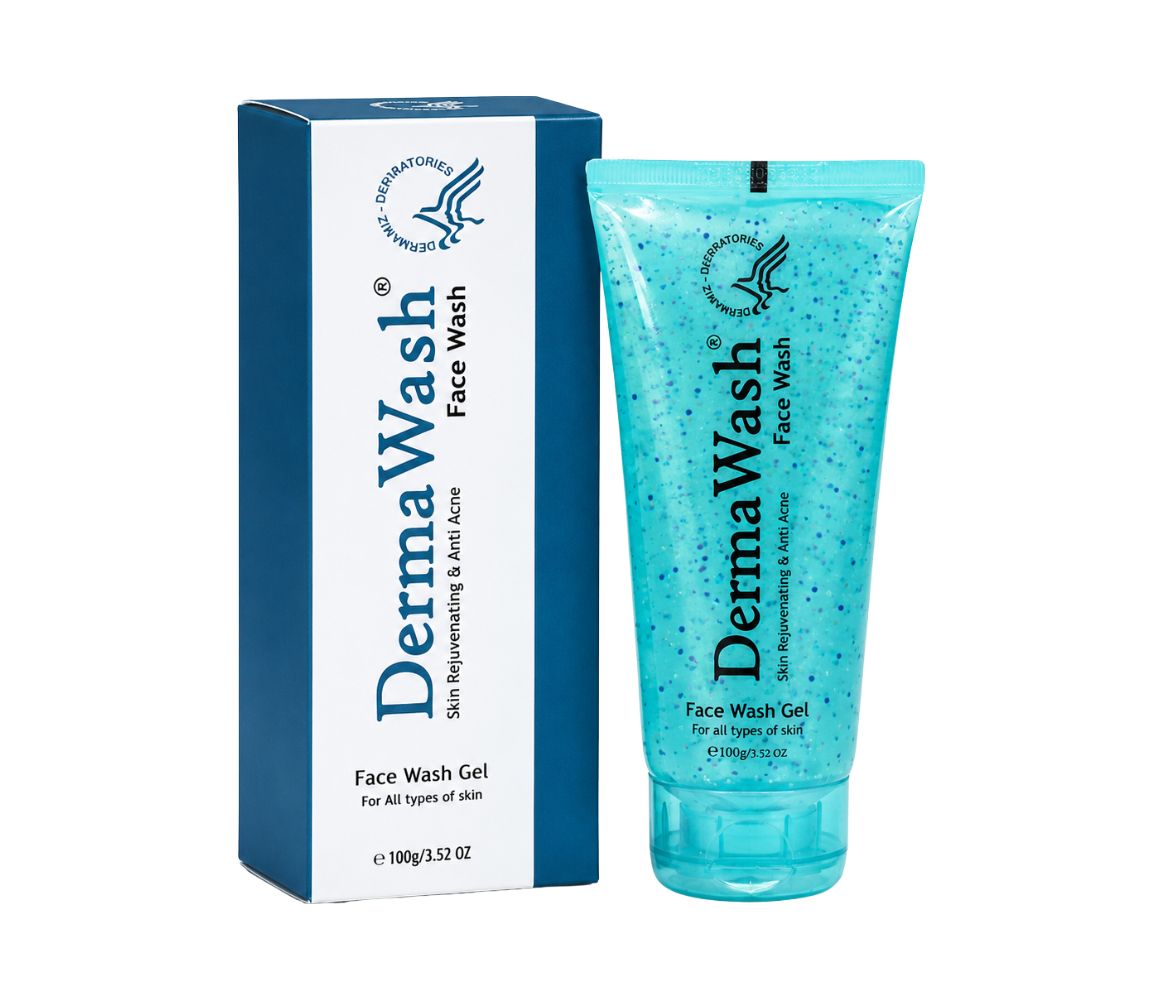
When skin is thin and dry, harsh foaming cleansers can strip away the precious few natural oils you have left. Switch to a nourishing cream or oil-based cleanser that cleanses without disrupting the delicate lipid barrier. Wash your face with lukewarm water rather than hot water, which can further deplete moisture.
To stimulate sluggish fibroblast cells, you need ingredients that communicate directly with your skin cells. Retinoids, including retinaldehyde and retinol, are highly effective at promoting cell turnover and signalling the skin to produce more collagen. For those seeking targeted firming, incorporating advanced Retinal and Botox-Alternative Serums can help smooth fine lines and restore a taut, youthful appearance to the skin.
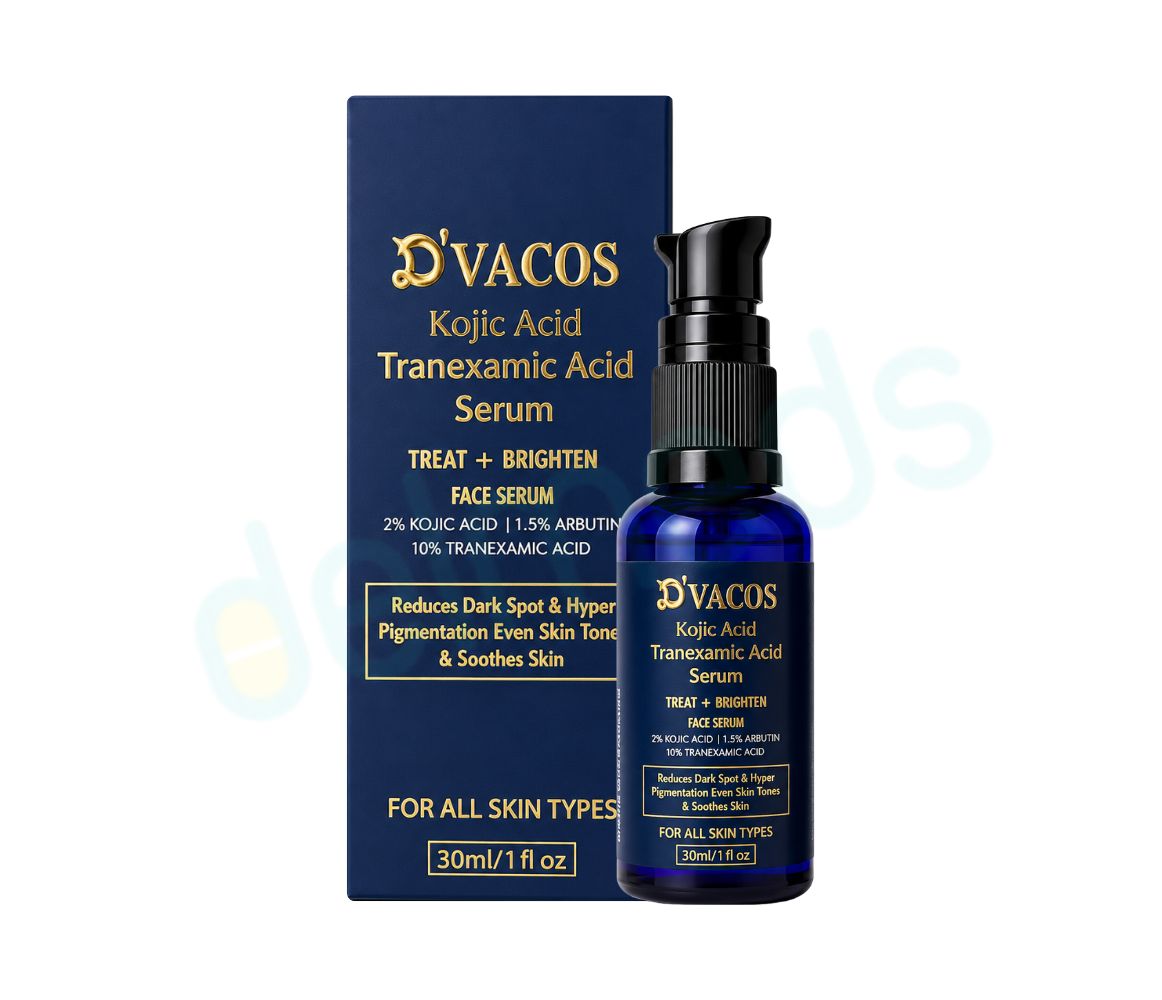
As hormonal protection decreases, the skin becomes more susceptible to sun damage and age spots. To balance these tone imperfections, look for serums that contain active brightening agents like Kojic Acid or Tranexamic Acid. Incorporating Pigmentation Correctors & Brightening Serums into your morning or evening routine can fade stubborn discolouration and restore overall skin clarity.
UV radiation is the single greatest environmental cause of collagen degradation. When your skin is already vulnerable due to hormonal shifts, unprotected sun exposure accelerates structural breakdown. Apply a physical or chemical sunscreen daily, even when it is cloudy. For sensitive or dry skin types, utilising lightweight, non-greasy Broad-Spectrum Sunscreen Gels ensures robust protection without clogging pores or causing irritation.
An effective approach to managing menopausal skin changes involves more than just topical care. Supporting your body nutritionally can help optimise the cellular environment for skin repair and overall vitality.
Oral supplementation can help deliver essential nutrients directly to the dermis through the bloodstream. Many women choose to integrate specialised Nutraceuticals & Skin-Hair Supplements containing collagen peptides, antioxidants, and vitamins to support skin density and brightness from the inside out.
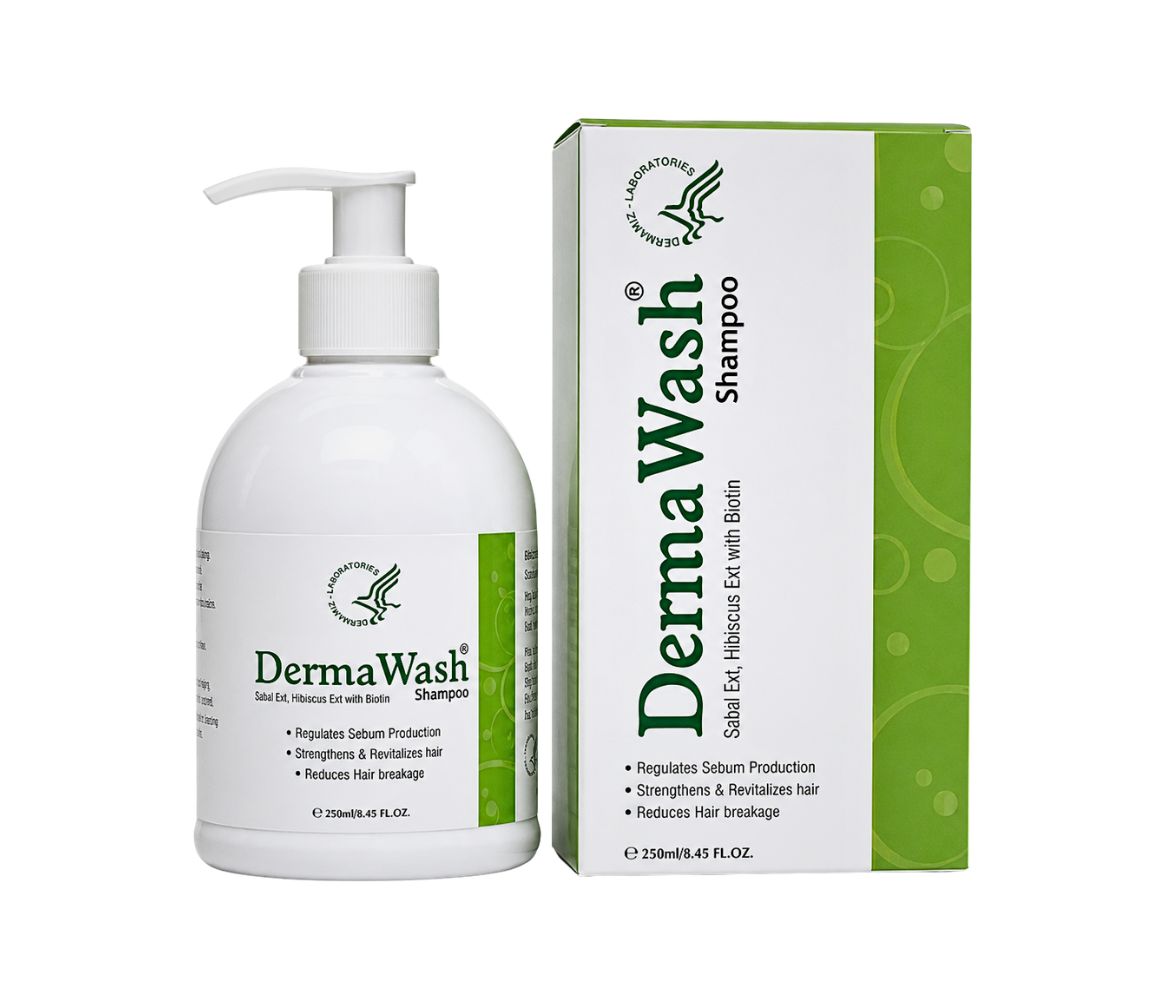
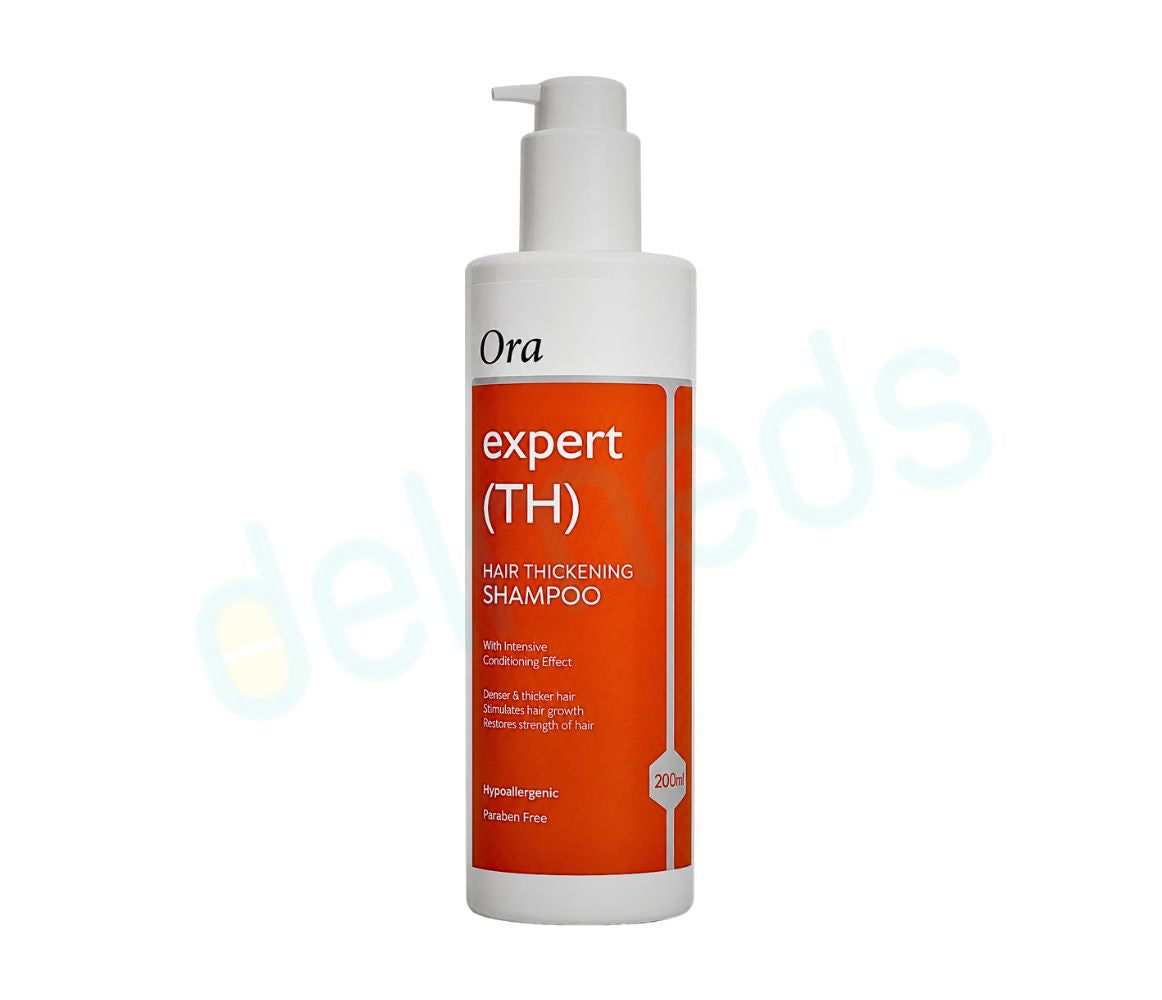
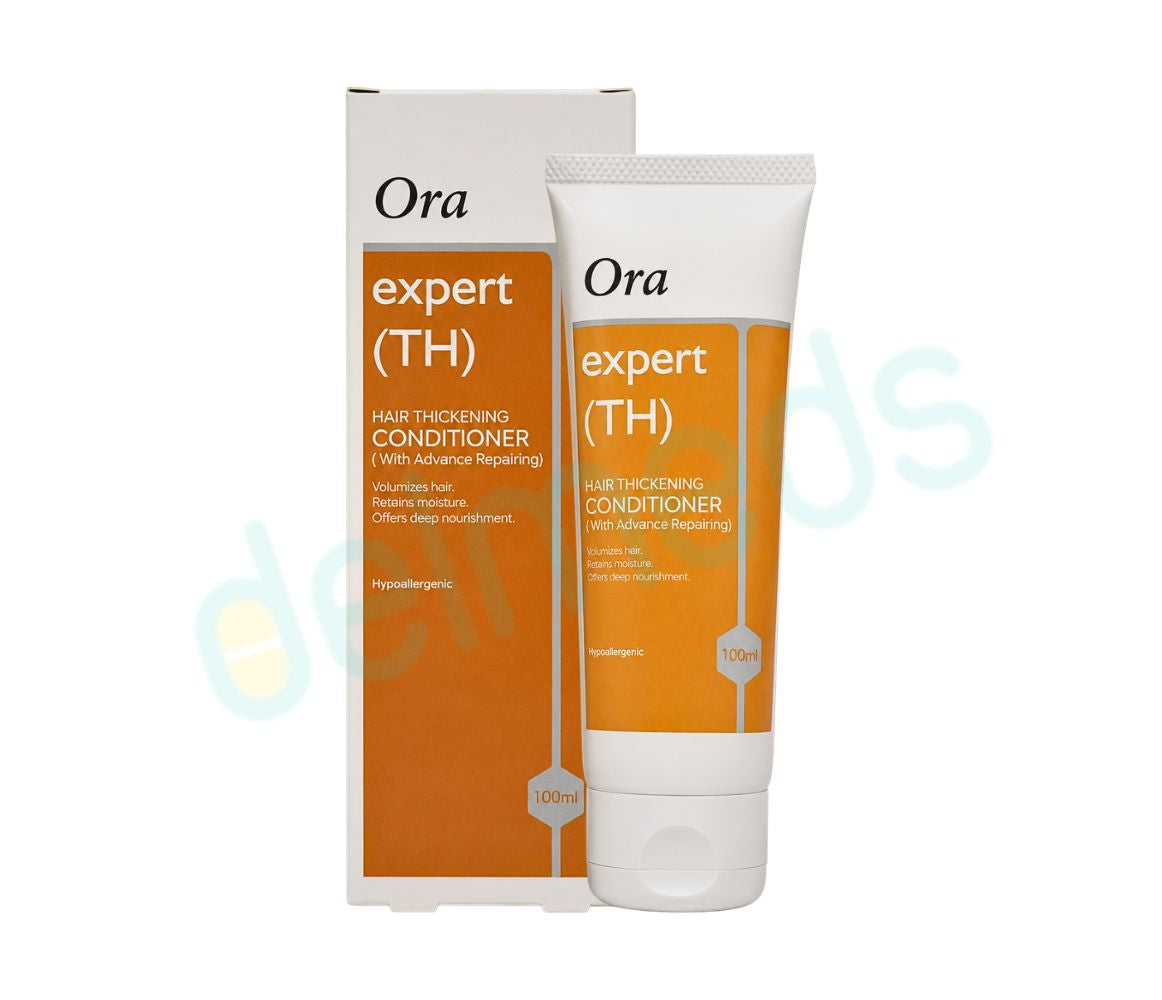
Menopausal shifts do not just impact the face. The drop in estrogen often allows androgens to exert more influence, which can lead to hair thinning, particularly along the part line or temples. If you are experiencing this, exploring Targeted Hair Growth and Thickening Solutions can help nourish hair follicles and maintain scalp health during this transition.
Menopause causes a rapid decrease in estrogen levels, which leads to a significant reduction in collagen production, natural lipid secretion, and water retention. This results in dry skin, thinning, increased sensitivity, and more noticeable wrinkles.
Yes, while you cannot fully restore youth-level collagen production, you can stimulate new collagen synthesis by using targeted topical treatments such as retinoids, protecting your skin from UV damage, and optimising your diet with nutrient-dense supplements.
An ideal routine focuses on gentle hydration, barrier repair, and collagen stimulation. It should include a cream cleanser, a hydrating serum with hyaluronic acid, a retinoid or peptide treatment, a rich barrier-repair cream, and a broad-spectrum sunscreen.
The drop in estrogen reduces the production of sebum and natural moisturising factors like hyaluronic acid. This weakens the outer lipid barrier, allowing essential moisture to escape easily.
Some clinical studies suggest that systemic hormone replacement therapy can help maintain skin thickness, elasticity, and hydration by replenishing estrogen levels, but it should always be discussed with your physician regarding potential risks and benefits.
Women lose up to 30% of their skin's collagen during the first five years of menopause, after which the rate of loss slows to about 2.1% per year.
Common signs include a loss of skin elasticity, visible sagging around the jawline and neck, deepening fine lines, hollower cheeks, and a thinner texture that bruises or tears more easily.
Some clinical evidence indicates that consuming bioactive collagen peptides can improve skin hydration, elasticity, and roughness by supplying the body with the building blocks necessary for dermal repair.
Consistency is key. You can improve firmness by combining retinoid-based topical treatments, using daily sunscreen, performing gentle facial massage to stimulate circulation, and consulting a dermatologist about in-office procedures like ultrasound or radiofrequency therapy.
As estrogen levels decline, the skin's natural defences against UV damage weaken. Sunscreen prevents UV rays from breaking down your remaining collagen fibres, helping to stave off rapid wrinkling and dark spots.
Menopause is a natural biological shift, and the changes in your skin are a normal reflection of this transition. By understanding that your skin now requires gentler handling, deep hydration, and active collagen-stimulating ingredients, you can build an effective routine that supports your skin's natural strength and radiance.
DISCLAIMER : This website provides general information for educational purposes only and should not be considered a substitute for professional medical advice, diagnosis, or treatment. Always seek the guidance of a qualified healthcare professional with any questions you may have regarding a medical condition. Do not disregard professional medical advice or delay seeking it because of information you've read on this website. Your health is important – when in doubt, consult a doctor.