Your shopping cart
😊 Product added to cart successfully
Product removed to cart successfully

We have all been there. You finally get over a stressful breakout, only to be left with a map of stubborn red and brown spots that seem to last for months. In your quest to clear these spots, you probably did what most people do: you searched for the strongest, most expensive brightening serum you could find. You bought the high-concentration vitamin C, the niacinamide, and maybe even a potent exfoliating acid.
But weeks go by and those marks barely budge.
There is a simple, frustrating reason why your premium skincare products are not delivering the results you want. You are treating the problem with specialised treatments while leaving the front door wide open for the real culprit behind dark spots: ultraviolet radiation. The truth is that when it comes to fading acne marks, a high-quality sunscreen is far more critical than any corrective serum. Let us look at the science of why this happens and how you can fix your routine to get the clear skin you deserve.
To understand why sun protection matters so much, we have to look at what is actually happening under your skin when a breakout occurs. An acne blemish is not just a clogged pore, it is a localized inflammatory event. Your body responds to this micro-injury by sending white blood cells to fight off bacteria. Once the infection clears, the skin begins a healing process that often leaves behind two distinct types of discoloration.
First, there is Post-Inflammatory Erythema, or PIE. These are the red, pink, or purple marks caused by damaged or dilated microscopic blood capillaries near the surface of the skin. PIE is highly common in lighter skin tones and is primarily a vascular issue.
Second, there is Post-Inflammatory Hyperpigmentation, or PIH. This occurs when the inflammation triggers your melanocytes, which are the pigment-producing cells in your skin, to go into overdrive. These cells release excess melanin into the surrounding skin tissue, leaving behind flat brown, black, or dark grey spots. PIH is incredibly common in medium to dark skin tones.
No matter which type of mark you have, both represent skin that is actively trying to heal from trauma. This compromised tissue is exceptionally vulnerable to external stressors, especially sunlight.
Think of an active acne mark as a healing wound. If you had a fresh scratch on your arm, you would not expose it to intense sunlight without expecting it to scar. Yet, we do this to our faces every single day.
When ultraviolet rays hit an unprotected dark spot, they stimulate the melanocytes to produce even more pigment. UV radiation acts as a direct trigger for melanin production. It is the body's natural defense mechanism to protect damaged DNA. If your skin has already flagged an area as injured due to a recent breakout, the melanocytes in that specific spot are already hyper-reactive. Even a few minutes of incidental sun exposure, like driving your car or sitting near a window, tells those cells to pump out more melanin.
This process darkens the mark and cements the pigment deeper into the dermal layers. What could have been a temporary mark that faded in a few weeks turns into a stubborn stain that persists for six months or longer.
Many people believe they can compensate for skipping SPF by using a high-performance corrective serum. This is a massive mistake for several key reasons.
First, many of the active ingredients found in popular corrective products, such as glycolic acid, lactic acid, retinol, and salicylic acid, work by speeding up cellular turnover. This process sheds the dead outer layers of your skin to reveal newer, fresher cells beneath. While this is great for fading spots, those brand-new skin cells are incredibly delicate and highly sensitive to UV damage. By using exfoliating serums without a protective daily shield, you are actually making your skin more susceptible to hyperpigmentation than it was before you started the treatment.
Second, many brightening actives are highly unstable. Ingredients like pure Vitamin C oxidize quickly when exposed to light and air, losing their potency. When you apply these ingredients and then step into the sun without protection, you degrade the efficacy of the active compounds.
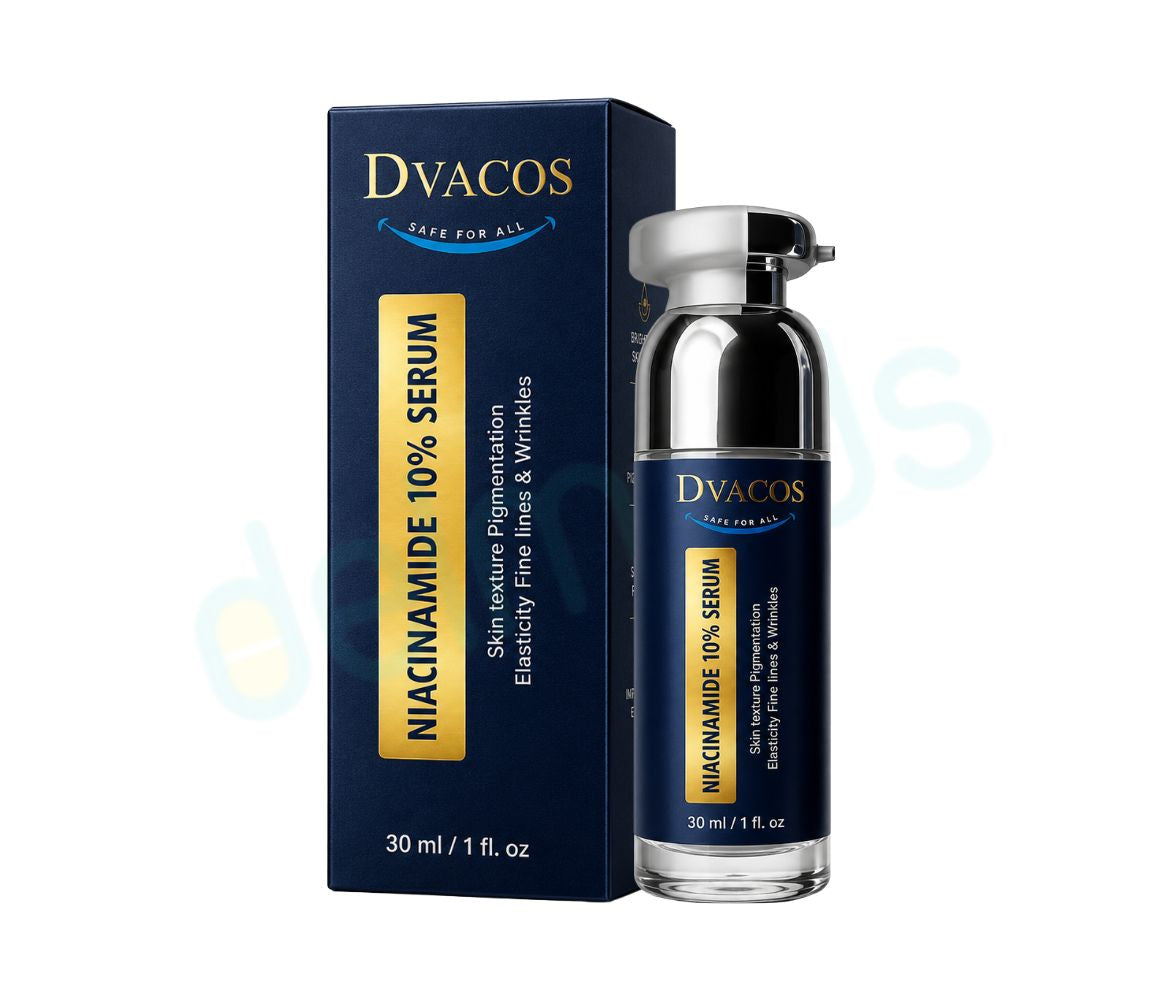
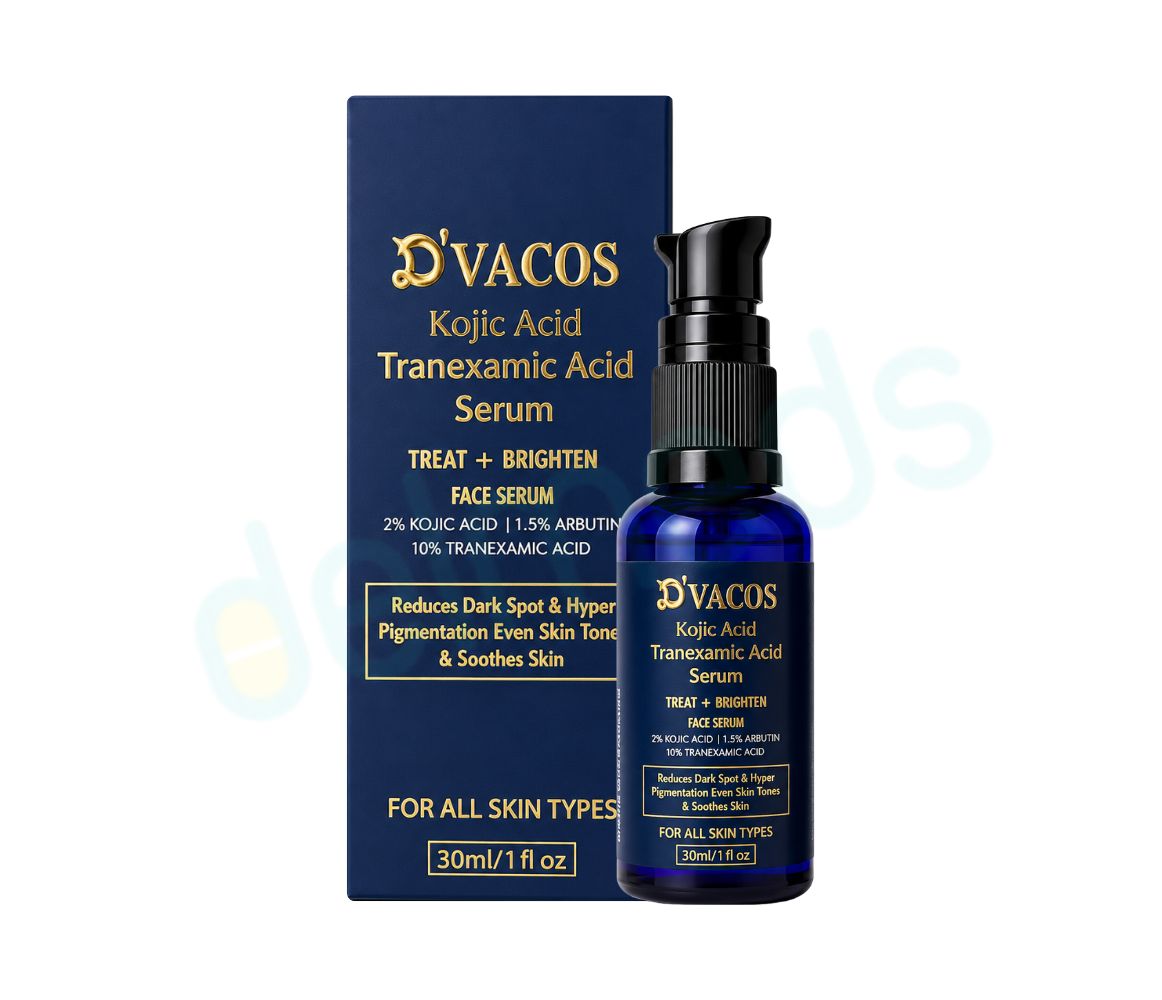
To make real progress, you must pair your Pigmentation Correctors & Brightening Serums with a dedicated shield. Without that shield, you are essentially taking one step forward with your nightly serum and two steps backward during the day.
The number one reason people skip sun protection is the fear of breaking out again. Heavy, greasy traditional sunscreens can easily clog pores, trigger new breakouts, and leave a frustrating white cast that looks ash-colored on deeper skin tones.
This is where modern formulation technology comes to the rescue. Dermatologists highly recommend Broad-Spectrum Sunscreen Gels for anyone dealing with acne-prone or healing skin. Unlike heavy creams, these gel formulations are lightweight, water-based, and absorb almost instantly into the skin.
They provide robust protection against both UVA rays, which penetrate deeply to cause premature aging and pigmentation, and UVB rays, which cause surface burning. Because they lack heavy oils and comedogenic waxes, they protect your healing skin barrier without suffocating your pores. This allows your existing acne marks to heal in a safe, shaded environment.
Fading discoloration requires a holistic, consistent strategy that addresses skin health from multiple angles. Here is how you can structure a daily routine that delivers real results.
Your morning objective is entirely focused on protection and defense.
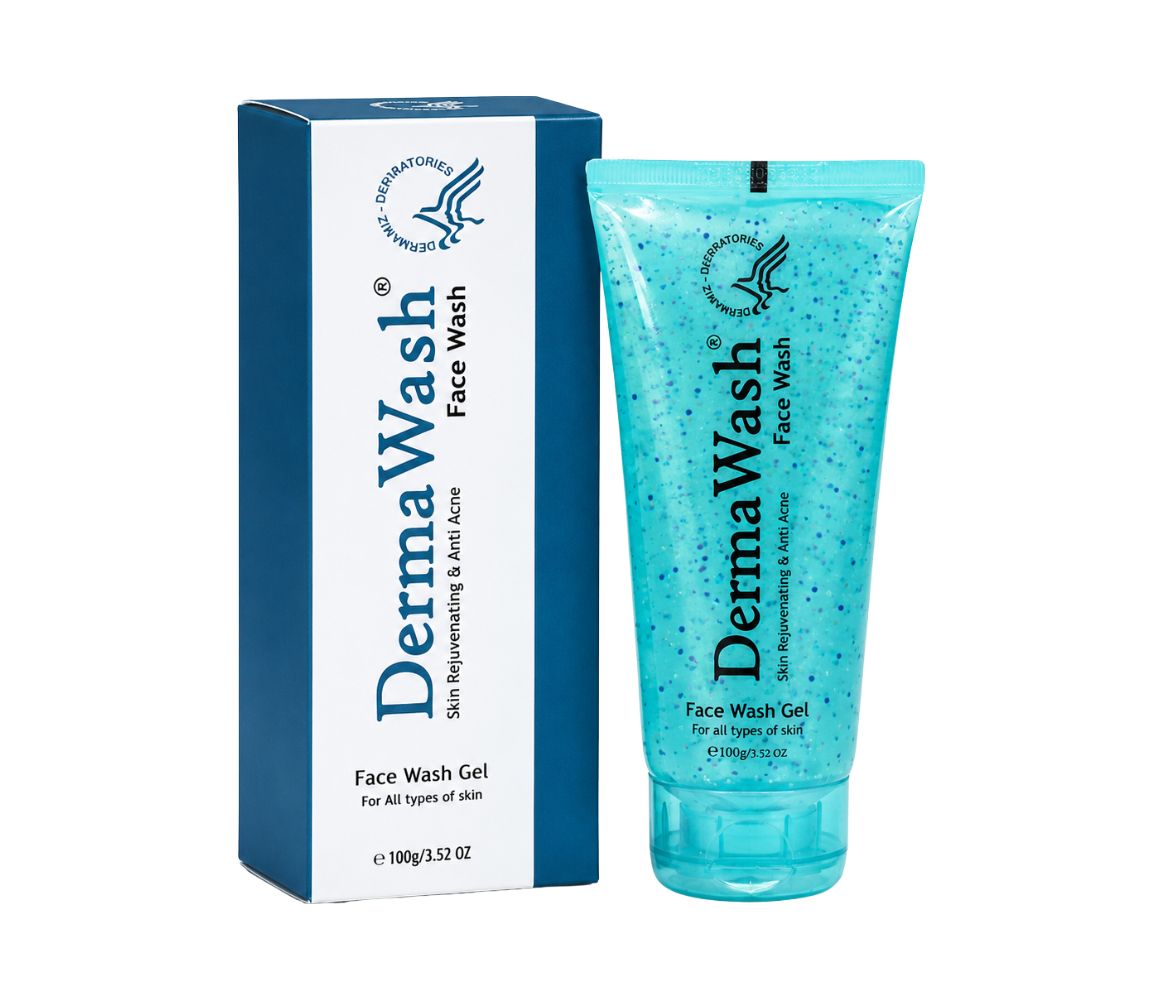
Wash your face with a gentle, non-stripping cleanser to remove oil from the night.
Apply a lightweight antioxidant serum to neutralize environmental free radicals.
Apply a generous layer of your favorite gel sunscreen. Make sure to apply enough to cover your face, neck, and ears. Reapply if you spend extended time outdoors.
Your night routine is when you can introduce potent actives to accelerate cell turnover and repair your skin barrier.
Double cleanse to thoroughly remove sunscreen, oil, and atmospheric pollutants accumulated during the day.
Apply target treatments like Retinal and Botox-Alternative Serums. These specialized formulations help speed up skin regeneration, prompting your body to shed damaged, pigmented cells at a faster rate.
Follow up with a nourishing moisturizer containing ceramides or fatty acids to rebuild your skin barrier while you sleep.
True skin recovery does not stop at topical products. Your body requires specific nutrients to repair tissues and manage inflammatory responses. Incorporating targeted Nutraceuticals & Skin-Hair Supplements can provide the building blocks your body needs to heal from the inside out. Antioxidants like glutathione, vitamin E, and specialized botanical extracts help reduce oxidative stress throughout your body, which can make your skin less reactive to inflammation.
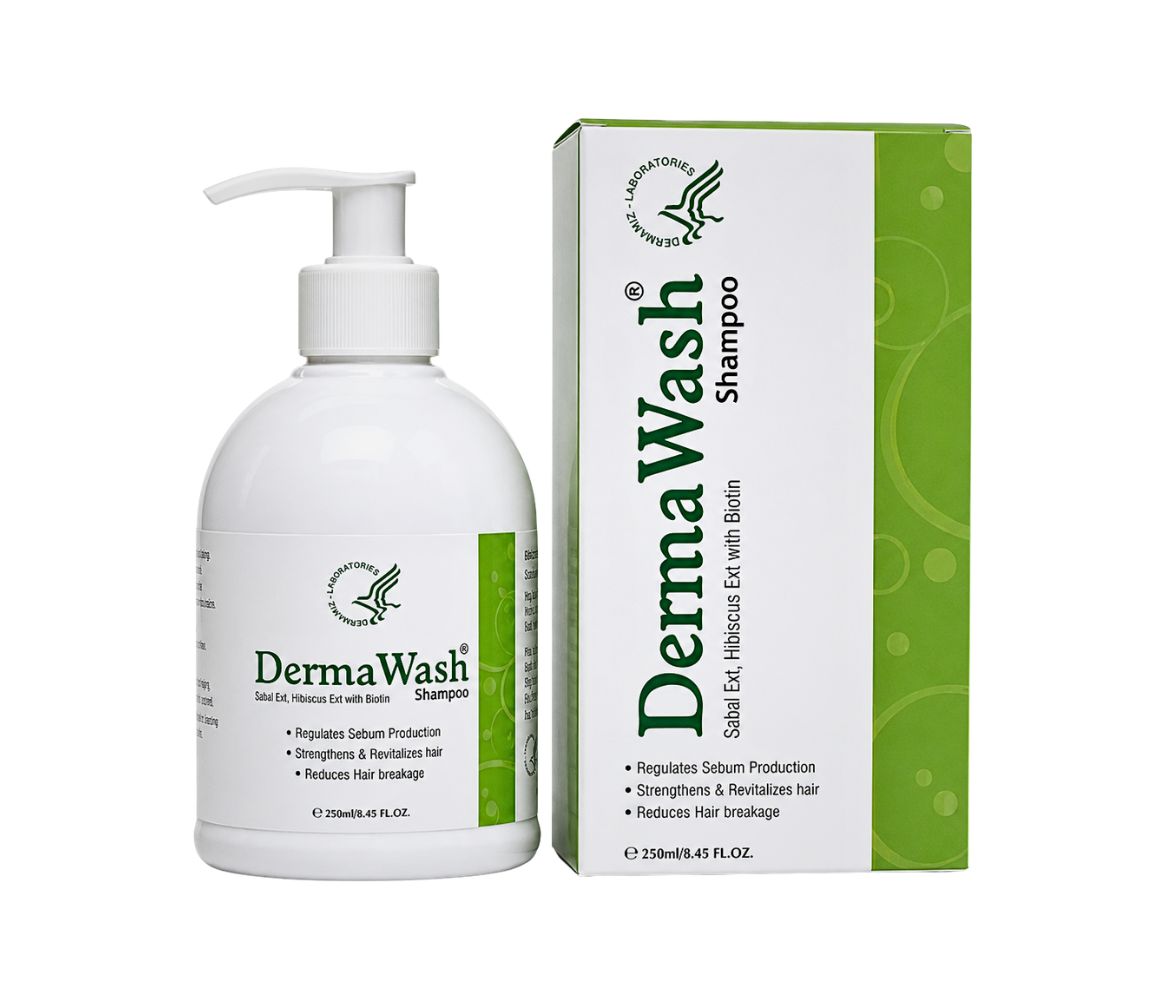
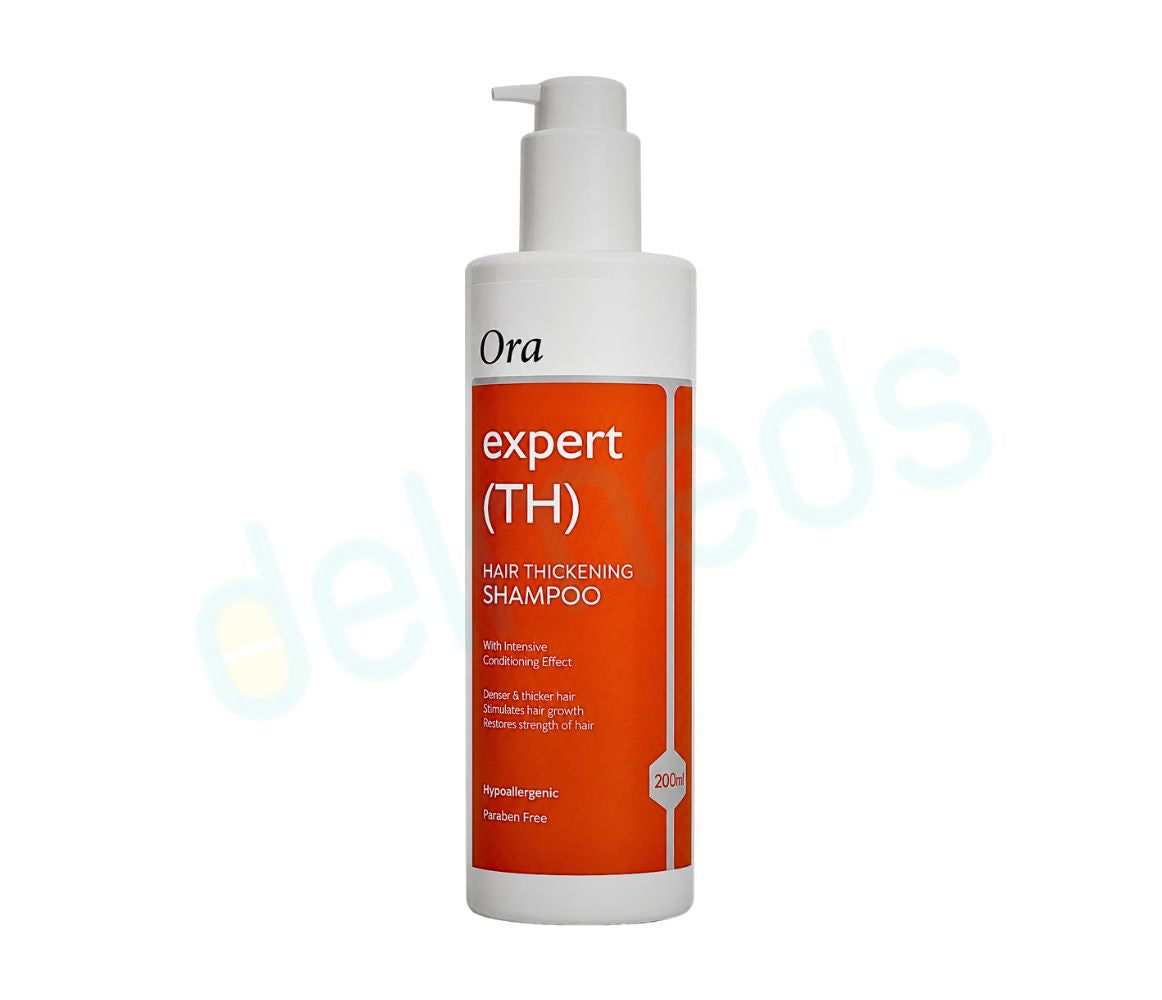
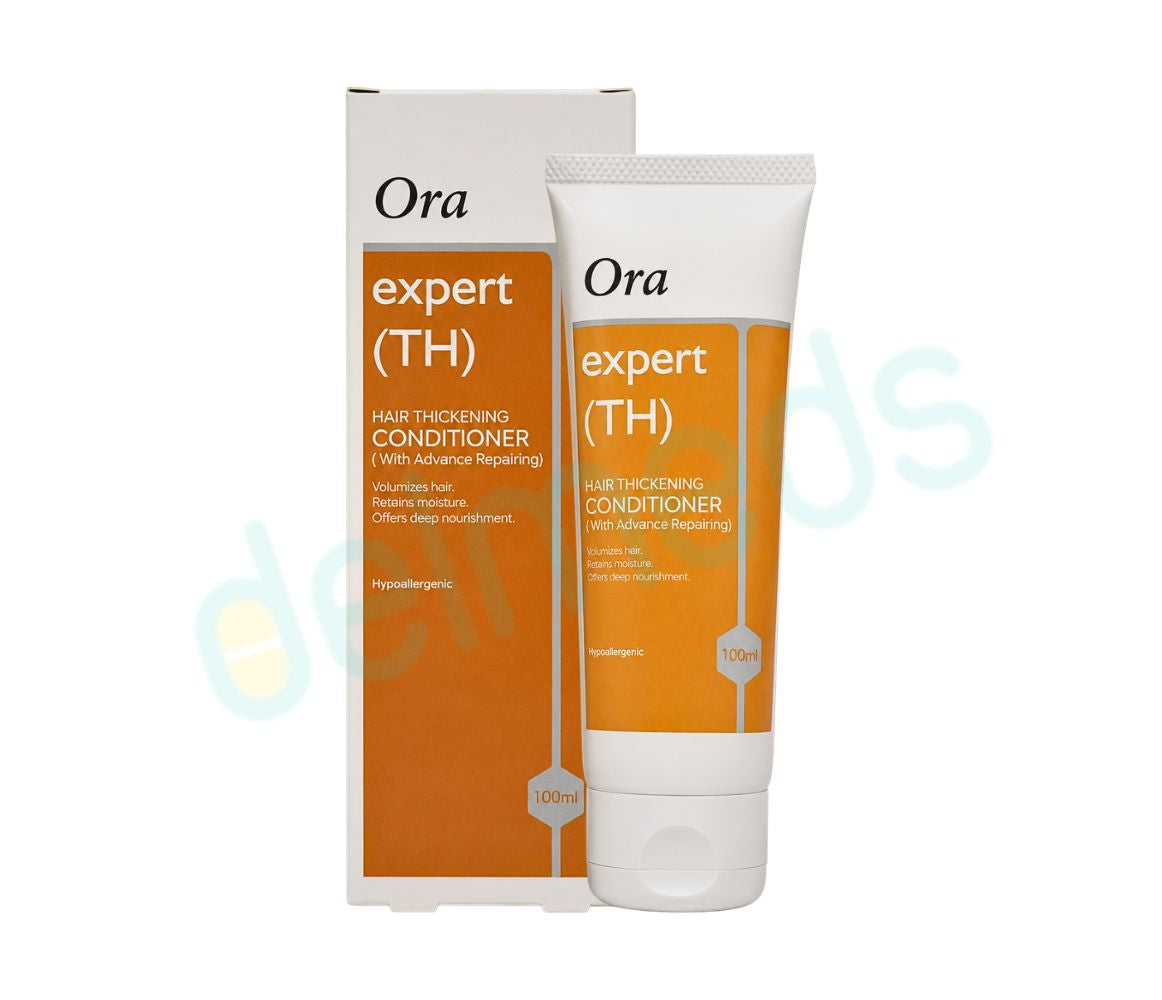
Additionally, it is wise to maintain a complete wellness approach. Just as you would care for your scalp and follicles using Targeted Hair Growth and Thickening Solutions to prevent stress-induced shedding, protecting your facial skin barrier requires a daily commitment to comprehensive protection.
They can fade eventually, but it takes significantly longer. Unprotected UV exposure darkens the pigment and damages the collagen matrix beneath the skin, extending the recovery process from a few weeks to many months or even years.
Yes, you absolutely should. Active acne is an inflammatory wound. Unprotected sun exposure worsens inflammation, which can make the initial breakout more severe and increase the likelihood that it will leave a dark mark behind.
Sunscreen is far more important. While Vitamin C helps inhibit melanin production, its effects are completely undone if you expose your skin to UV rays without protection. Sunscreen prevents the dark spots from forming and darkening in the first place.
Yes. UV rays trigger melanin production, which concentrates in areas of existing inflammation or damage. This darkens both flat pigment marks and textured scars, making them much more noticeable.
Always apply your targeted serum first. Let it absorb completely into your clean skin, then apply your sunscreen as the final step of your daytime skincare routine before applying any makeup.
For active recovery, dermatologists generally recommend using a broad-spectrum product with an SPF of 50 or higher. This ensures you get high levels of defense against both aging and burning rays.
Both can work well, but it depends on your skin's sensitivity. Mineral sunscreens containing zinc oxide are excellent because zinc is naturally anti-inflammatory and soothing for irritated skin. However, modern chemical gel formulas are incredibly lightweight and leave zero white cast, making them highly popular.
If you are not using a broad-spectrum sunscreen daily, the UV rays you encounter are constantly regenerating the melanin that your niacinamide is trying to suppress. You are essentially cancelling out your progress.
Some heavy, oil-based formulas can. To avoid this, look for terms like non-comedogenic, oil-free, or gel-based on the label. These lighter formulations are designed to protect your skin without blocking pores.
With consistent daily sun protection and a solid skincare routine, superficial red or brown marks can begin to fade visibly within four to six weeks. Deeper hyperpigmentation may take a few months of continuous care to clear completely.
Treating hyperpigmentation without using daily sun protection is like trying to vacuum your house with the windows open during a dust storm. Save your time, save your money on expensive corrective products, and make daily sun protection your top priority. Your skin will thank you.
DISCLAIMER : This website provides general information for educational purposes only and should not be considered a substitute for professional medical advice, diagnosis, or treatment. Always seek the guidance of a qualified healthcare professional with any questions you may have regarding a medical condition. Do not disregard professional medical advice or delay seeking it because of information you've read on this website. Your health is important – when in doubt, consult a doctor.