Your shopping cart
😊 Product added to cart successfully
Product removed to cart successfully

You are sitting at your desk, or maybe relaxing on your couch, and suddenly there it is. That annoying, persistent tickle on your arms or legs. Your immediate reaction is to reach for that massive pump bottle of scented body lotion sitting on your nightstand. You slather a thick layer of it over your limbs, expecting instant relief. But instead of soothing comfort, your skin starts to prickle, sting, or feel even more dry and irritated just twenty minutes later.
It is an incredibly frustrating cycle. You try to take care of your skin, yet the very products you trust to hydrate you seem to make things worse. As a clinical specialist who has spent years analysing dermal formulations, I can tell you that you are not alone in this struggle. Millions of people suffer from chronic skin itching that actually gets aggravated by standard over the counter moisturizers.
To understand why this happens, we have to look past the beautiful packaging and dive deep into the actual biology of your skin barrier and the chemistry of modern cosmetic formulations. Let us pull back the curtain on why your favorite body lotion is failing you and what you can do to reclaim calm, comfortable, and deeply hydrated skin.
To solve the mystery of your persistent itch, we first need to understand how the outer layer of your skin operates. Think of your stratum corneum, the outermost layer of your skin, as a brick wall. The skin cells, called corneocytes, are the bricks. The lipids, consisting of ceramides, cholesterol, and free fatty acids, are the mortar. This brick and mortar system acts as a protective shield. Its primary job is to keep environmental irritants, pathogens, and allergens out while keeping vital moisture locked inside.
When this barrier is intact and healthy, your skin looks smooth, feels supple, and remains calm. However, when the mortar is stripped away, water begins to evaporate rapidly from the deeper layers of your skin. Dermatologists call this phenomenon transepidermal water loss, or TEWL. As water escapes, your skin cells shrink, causing microscopic cracks in the barrier.
These microscopic fissures allow external irritants to penetrate deep into your dermal layers. Once inside, they trigger an inflammatory response, activating sensory nerve fibres that send an urgent message to your brain: itch.
If you apply a generic body lotion over this compromised barrier, you are often applying a cocktail of synthetic fragrance, cheap emulsifiers, and water. Instead of repairing the mortar, you are putting a temporary band-aid on a structural leak, and sometimes, that band-aid contains chemicals that actively irritate those exposed nerve endings.
One of the main reasons your go to moisturizer might be causing your itching is the presence of synthetic fragrances and essential oils. We all love the experience of smelling like lavender, vanilla, or fresh rain after a shower. However, fragrance is the number one cause of cosmetic contact dermatitis.
When your skin barrier is healthy, it might tolerate these aromatic compounds without any visible issues. But the moment your skin is dry, irritated, or compromised, those fragrance molecules slip through the microscopic cracks we discussed earlier. Your immune system recognises them as foreign invaders, sparking an allergic reaction that manifests as intense itching, redness, or even tiny bumps.
Beyond fragrance, many commercial lotions rely on harsh preservatives and stabilizing chemicals to give them a shelf life of several years. Ingredients like parabens, methylisothiazolinone, and certain types of alcohols can dry out the epidermis.
Furthermore, many lotions use cheap emulsifiers to keep the oil and water elements of the formula from separating. These emulsifiers can bind to the natural lipids in your skin. When you wash your body, those emulsifiers rinse away, taking your skin’s precious natural oils down the drain with them. This is known as the wash out effect, and it leaves your skin drier and itchier than it was before you applied the lotion.
To break this cycle, you need to transition to clinical formulations specifically engineered to rebuild the cellular matrix. Utilizing targeted Barrier Repair and Intensive Hydrators can supply your skin with the precise ratio of ceramides, fatty acids, and cholesterol it needs to mend the broken mortar, bypassing the irritation caused by cosmetic grade body lotions.
Have you ever noticed that many commercial lotions feel incredibly light and watery? That is because water is often the very first ingredient listed on the label, sometimes making up eighty to ninety per cent of the entire bottle.
While water sounds like it should be hydrating, applying a highly watery lotion to extremely dry or compromised skin can actually backfire. When you spread a water heavy lotion onto your skin, that water evaporates into the air almost immediately. As it evaporates, it can pull native moisture out from the deeper layers of your skin along with it, exacerbating dry skin conditions.
To lock in moisture successfully, a formulation must contain an appropriate balance of humectants (which draw water into the skin), emollients (which soften and smooth the surface), and occlusives (which form a physical seal to prevent evaporation).
If your lotion lacks high quality occlusive agents, it cannot prevent transepidermal water loss. Instead of relying on dilute lotions, look for rich, physiological lipid creams and clinical gels that respect your skin's natural architecture.
Your skincare routine does not exist in a vacuum. Several environmental and lifestyle factors work alongside inadequate moisturizers to deplete your skin's natural defenses.
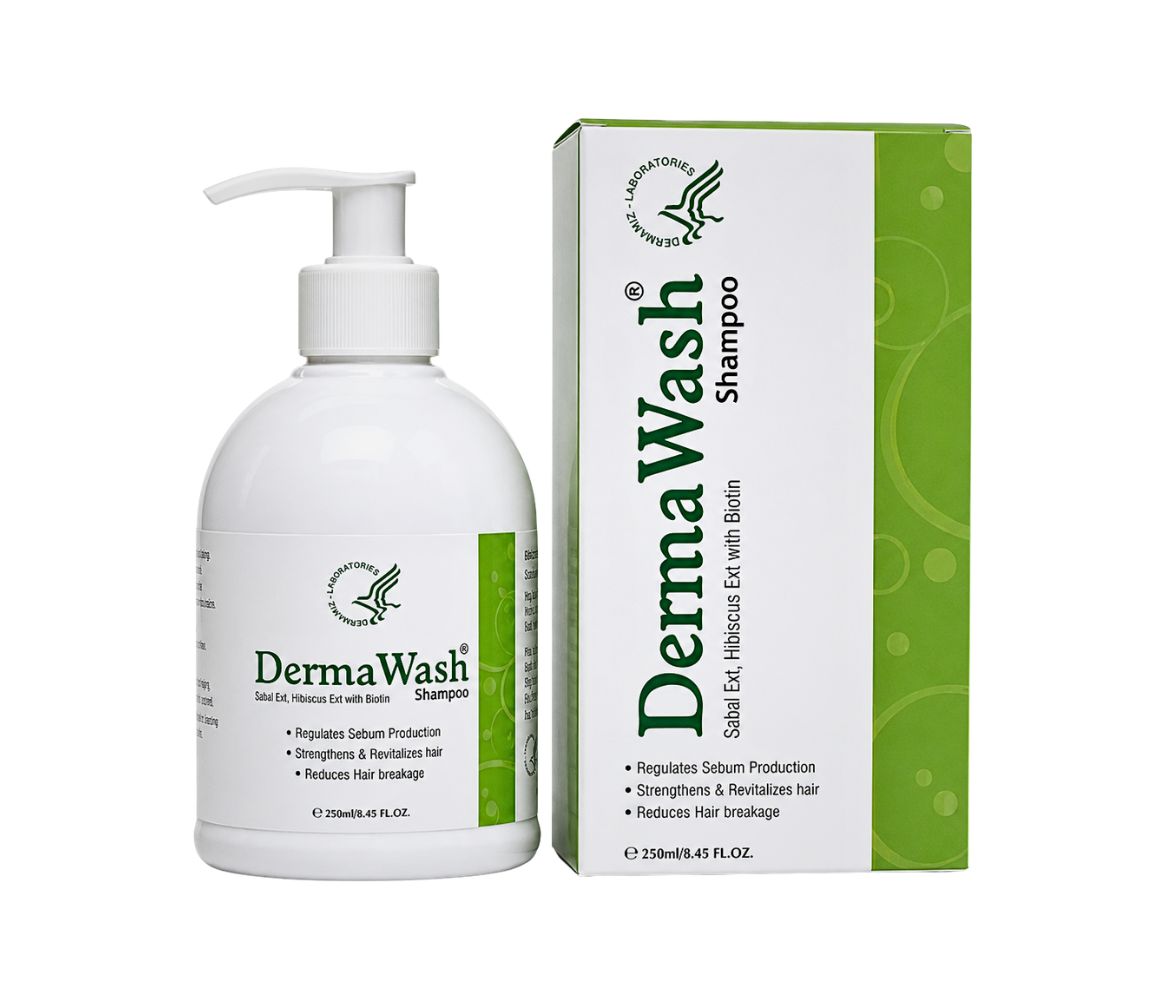
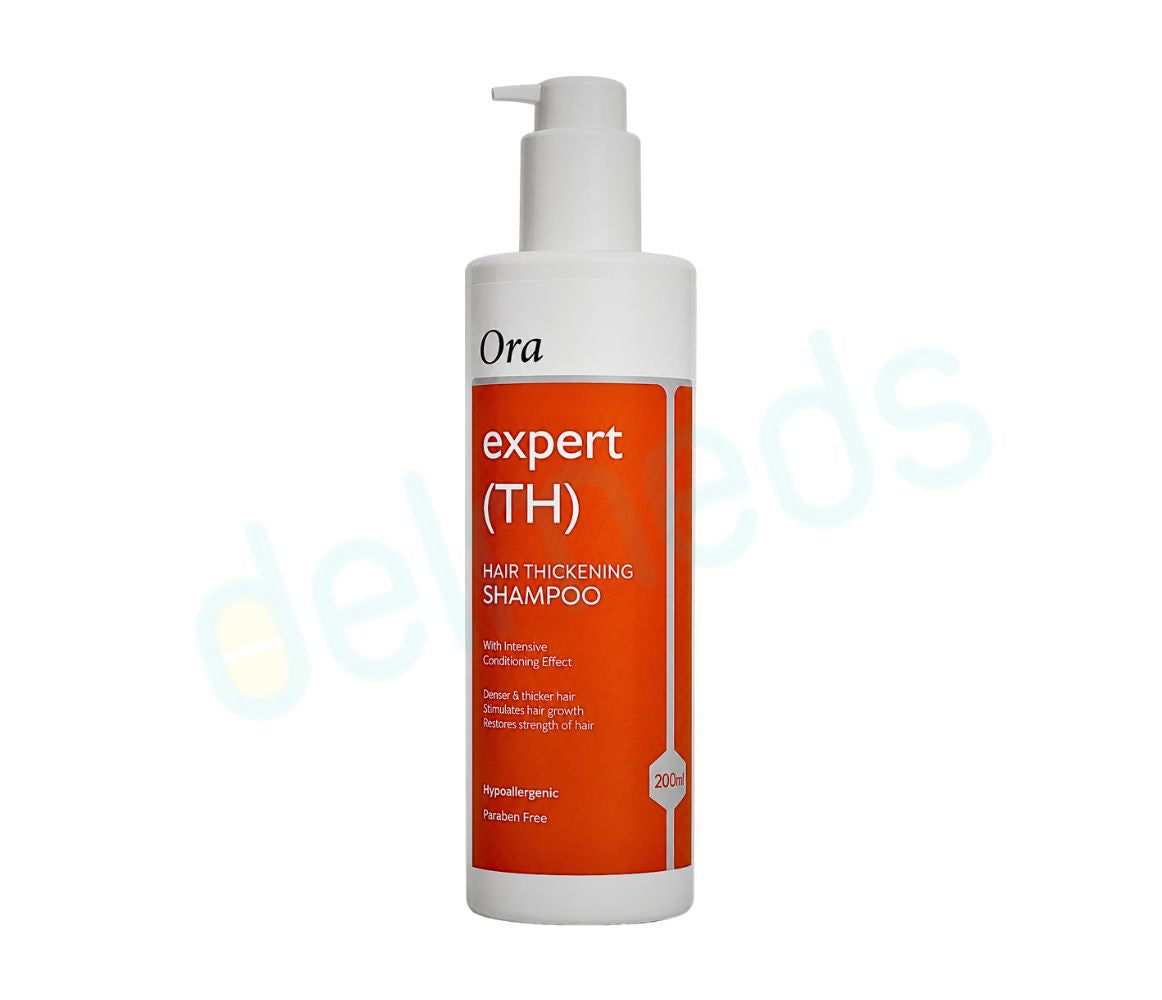
The Scalp and Hair Connection: We often forget that our skin is one continuous organ. An irritated, flaking scalp can shed yeast and inflammatory compounds down onto your neck, shoulders, and back, triggering secondary body itching. Addressing these issues with targeted Clinical Hair Regrowth and Thickening solutions and specialised therapeutic scalp washes is crucial for maintaining overall dermal harmony.
Unprotected UV Exposure: Chronic sun exposure damages the cellular structure of your skin barrier, making it more prone to dryness, sensitivity, and summer skin darkening. Applying standard lotions will not protect against this damage. Using medically validated Broad-Spectrum Medical Sunscreens is non-negotiable for preserving your skin’s structural integrity and preventing environmental itch triggers.
Overuse of Harsh Actives: If you are using powerful anti-aging treatments on your face, neck, or chest, those actives can easily migrate or sensitize surrounding areas if not properly balanced. Using a gentle, cell-communicating agent like Ora Needle Anti-Ageing Serum can help promote healthy cell turnover without stripping your moisture barrier, provided you support it with proper hydration.
While topical therapy is essential, your skin cannot build a healthy barrier without the proper nutritional raw materials. If your body is deficient in essential fatty acids, zinc, vitamins, or key antioxidants, no amount of topical lotion will fully cure your itching.
Your skin cells require a continuous supply of micro and macronutrients to synthesize lipids and maintain structural strength. When diet alone falls short, incorporating highly bioavailable Dermatological Nutraceuticals can provide the systemic support necessary to strengthen your skin barrier from the inside out, calming inflammatory pathways and promoting a radiant, itch-free complexion.
If you are ready to ditch the ineffective body lotions and build a routine that actually heals your skin, follow this simple, clinically sound approach:
Ditch the Hot Water: Hot showers strip away your skin's natural oil barrier instantly. Wash with lukewarm water instead, and keep your showers under ten minutes.
Apply on Damp Skin: Never wait for your skin to dry completely before moisturising. Within three minutes of stepping out of the shower, gently pat dry with a towel, leaving your skin slightly damp, and immediately apply your barrier repair treatment to lock in that moisture.
Use Physiological Lipids: Swap out drugstore lotions for formulations containing ceramides, free fatty acids, and cholesterol. These ingredients match the natural lipids in your skin barrier, allowing them to integrate seamlessly and repair the damaged mortar.
Protect Every Single Day: Shield exposed skin from UV radiation, which degrades collagen and weakens the barrier. Make a professional sunscreen a daily habit for your hands, arms, and neck.
This is usually caused by contact irritation from synthetic fragrances, harsh preservatives, or chemical emulsifiers in the lotion. When your skin barrier is compromised, these ingredients easily penetrate the outer layer and irritate sensory nerve endings.
Yes, body lotions are a very common cause of contact dermatitis. Fragrances, essential oils, parabens, and formaldehydes used as preservatives are well known sensitizers that can trigger allergic reactions over time.
Dry skin is a skin type characterized by a lack of natural oil production. A damaged skin barrier is a temporary condition where the physical protective shield of your skin has been compromised by external factors, leading to irritation, itching, and rapid moisture loss.
Switch to a fragrance free, dermatologist recommended barrier repair cream instead of a watery lotion. Apply it directly to damp skin immediately after bathing, and avoid shaving with dull blades or using harsh foaming body washes.
You should always apply moisturiser to damp skin. This helps trap the surface water on your skin before it has a chance to evaporate, significantly increasing hydration levels.
Avoid synthetic fragrances, denatured alcohol, essential oils (like lavender, tea tree, and eucalyptus), artificial colors, and harsh preservatives like methylisothiazolinone.
Not necessarily. High-quality cosmetic-grade mineral oil is a highly effective occlusive agent that can help trap moisture and protect a damaged skin barrier. However, it does not actively repair the barrier since it lacks skin-identical lipids like ceramides.
With a consistent, gentle skincare routine and the right barrier repair products, a damaged skin barrier can begin to heal within two to four weeks. Severe cases may take longer to fully recover.
Yes, psychological stress triggers the release of cortisol and pro-inflammatory cytokines in the body, which can compromise the skin barrier and activate itch pathways in the nervous system, making lotion alone ineffective.
You should consult a dermatologist if your itching is severe, prevents you from sleeping, is accompanied by signs of infection like pus or extreme redness, or does not improve after two weeks of using gentle, fragrance-free barrier repair products.
Your skin is an incredibly complex, living organ that deserves more than a temporary, surface-level fix. When you treat your body with high-quality, clinical formulations that respect its biological design, you can finally break the cycle of chronic itching and dryness. Focus on repairing your barrier, protecting your skin from environmental damage, and nourishing your body from within, and your skin will return to its natural, calm, and healthy state.
DISCLAIMER : This website provides general information for educational purposes only and should not be considered a substitute for professional medical advice, diagnosis, or treatment. Always seek the guidance of a qualified healthcare professional with any questions you may have regarding a medical condition. Do not disregard professional medical advice or delay seeking it because of information you've read on this website. Your health is important – when in doubt, consult a doctor.