Your shopping cart
😊 Product added to cart successfully
Product removed to cart successfully

It is a situation that many of us know all too well. You purchase a highly recommended skincare product, expecting a luminous glow, but the moment you apply it, your face erupts in an intense skin burn. That soothing cream suddenly feels like battery acid. If your favourite skincare causes a painful stinging sensation, your skin is trying to tell you something critical. You do not just have sensitive skin, you are likely dealing with a severely damaged skin barrier.
Let me share a quick story. A few years ago, during a stressful period, I decided to overhaul my entire routine. I layer after layer of strong exfoliants, vitamin C, and foaming cleansers. Within a week, my face was so raw that even plain water felt like fire. I had managed to severely damage skin that was previously healthy, all in the name of a complex multi step routine. It took weeks of research and clinical minimalism to undo the harm. Let us explore why this happens and how you can reclaim comfortable, glowing skin.
Your outermost skin layer, known scientifically as the stratum corneum, functions like a brick wall. The skin cells are the bricks, while ceramides, cholesterol, and free fatty acids act as the mortar. This beautiful biological structure keeps crucial hydration locked inside while blocking out environmental irritants, bacteria, and pollutants.
When you overuse a harsh skincare product or strip your face with aggressive cleansing, you wash away that essential mortar. The result is transepidermal water loss, leaving microscopic cracks in your outer shield. When you apply any subsequent lotion or serum, the active ingredients seep directly into those deep cracks, reaching delicate nerve endings and causing an immediate, uncomfortable skin burn.
If every single skincare product you apply causes a noticeable skin burn, your outer lipid shield is completely compromised. Standard moisturizers should never sting, and when they do, it indicates that the formula is penetrating deep into exposed nerves through microscopic tears. To analyze the exact ingredients causing this issue, you can consult the free cosmetic database on SkinCarisma to cross reference potential irritants in your current routine.
Persistent redness that does not fade after a few hours is a classic sign of an inflammatory response triggered by barrier failure. When your outer defence is down, your blood vessels dilate to send healing cells to the surface, resulting in a flushed, angry appearance. You can track these inflammatory changes daily using a dedicated skin tracking tool like MySkinPal to monitor whether your redness is resolving or worsening over time.
When the lipid matrix is depleted, your skin lose its ability to shed dead cells naturally, resulting in dry, rough patches that flake off unpredictably. This uneven texture makes makeup application look patchy and indicates a lack of cohesive hydration. To understand the cellular health of your tissue, you can utilise the AI analysis features within the OnSkin mobile app to evaluate your current hydration scores.
A compromised barrier allows acne causing bacteria to easily colonize your pores, leading to unexpected bumps and pustules in areas you do not normally break out. This happens because your natural acid mantle, which is designed to keep harmful microbes at bay, has been thoroughly stripped. You can analyze your breakouts and receive personalized ingredient advice using the diagnostic tools on MDacne for a clearer recovery path.
If your face feels extremely tight, stretched, or dry right after washing, your cleanser is far too stripping for your current state. Healthy skin should feel soft and comfortable after washing, not like a drum head that is about to split. To check if your municipal tap water is exacerbating this dryness with harsh mineral buildup, you can input your zip code into the USGS Water Quality database to view local water hardness levels.
When your skin barrier is healthy, a gust of wind or a sunny afternoon is easily tolerated, but a damaged barrier makes you highly vulnerable to environmental factors. Sudden temperature changes, dry indoor heating, or mild sunshine can trigger immediate flushing, itching, or swelling. You can manage your environmental exposure by checking daily atmospheric conditions and UV levels with the UVLens tracking application.
If a small blemish or a minor scratch takes weeks to heal and leaves behind a dark spot, your cellular renewal process has stalled due to barrier stress. Healthy skin possesses incredible regenerative properties, but a compromised surface cannot allocate the resources needed for speedy repair. You can explore clinical guides on wound recovery by browsing the educational resources hosted on the EWG Skin Deep database.
Many people confuse this state with oily skin because their face produces excess sebum to compensate for a severe lack of internal hydration. This leaves you with a shiny, greasy surface that somehow still feels dry, tight, and crepey underneath. To balance your sebum production and assess your routine, you can build a customised, non-irritating regimen using the free interactive planner at Skinsort.
When even lukewarm water causes a painful stinging sensation, your acid mantle is almost entirely depleted. Water itself can disrupt the pH of highly compromised tissue, especially if your local water supply is highly alkaline. To help identify gentle, non foaming cleansing alternative.
If you find yourself suddenly unable to tolerate mild concentrations of vitamin C, niacinamide, or gentle retinoids that you previously used without issue, your tissue is in a state of hyper reactivity. Your nerve pathways are highly sensitised, interpreting every active ingredient as a foreign threat. You can organize your skincare timeline and monitor ingredient reintroduction schedules using the intuitive interface of the Routine app.
Recovering from a severe skin burn caused by a product requires an immediate, disciplined shift in your daily habits. Here is your step by step clinical action plan to rescue your skin.
First, strip your routine down to a basic cleanser and a rich moisturiser. Avoid any foaming cleansers containing sulfates, and opt for milky, non lathering cleansers instead. Wash your face only once a day, preferably at night, and use only lukewarm water in the morning to prevent further stripping of essential lipids.
If you are currently experiencing active irritation, you must immediately pause any highly active topicals like Retinal & Botox-Alternative Serums because these powerful anti aging compounds can worsen an open epidermal wound. They are excellent for collagen production, but they require a resilient, intact barrier to work effectively.
To rebuild the lipid matrix from the inside, incorporating highly bioavailable Nutraceuticals & Oral Skin Supplements can help supply the key building blocks that your body needs to synthesise healthy lipids. Ensuring your systemic health is optimal will accelerate your topical recovery.
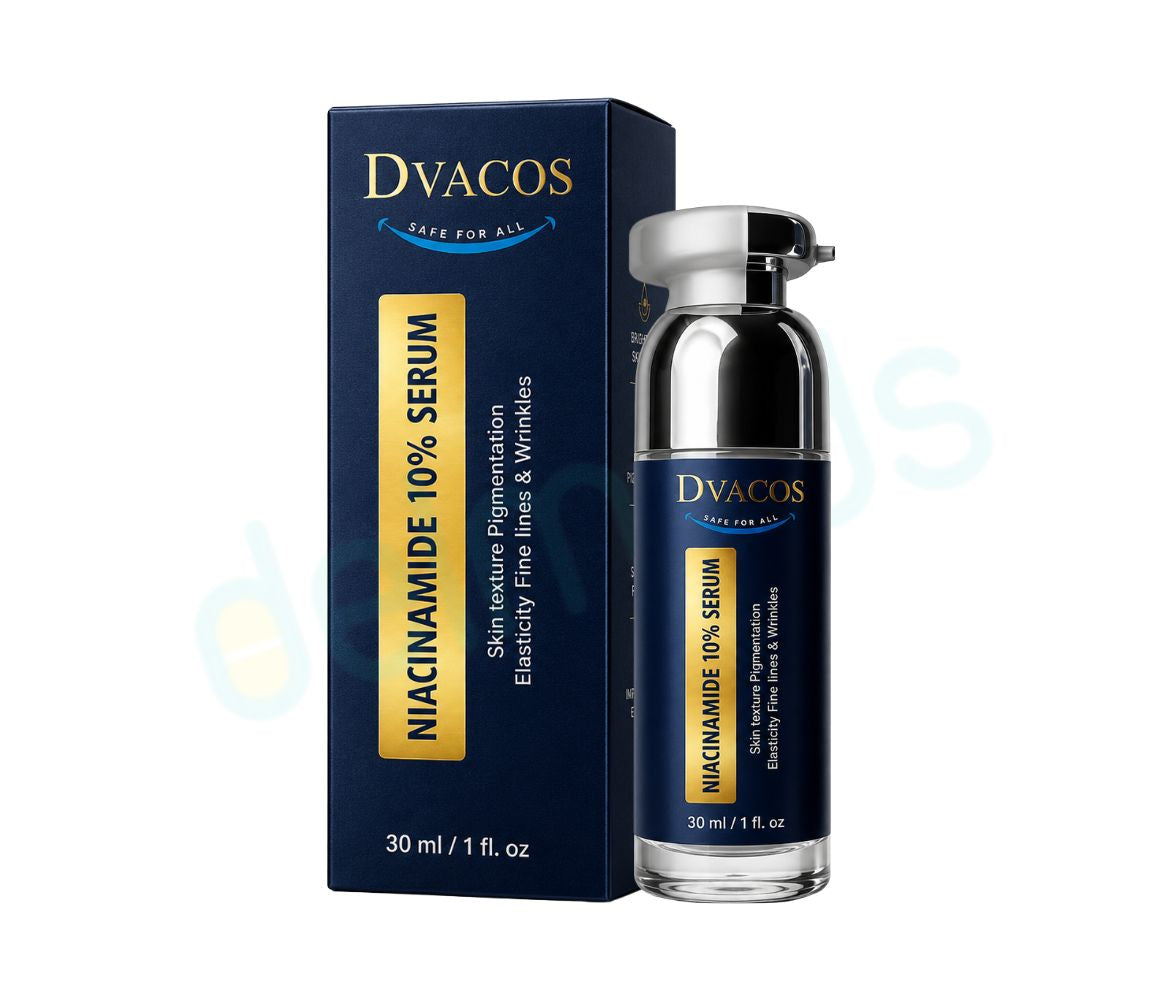
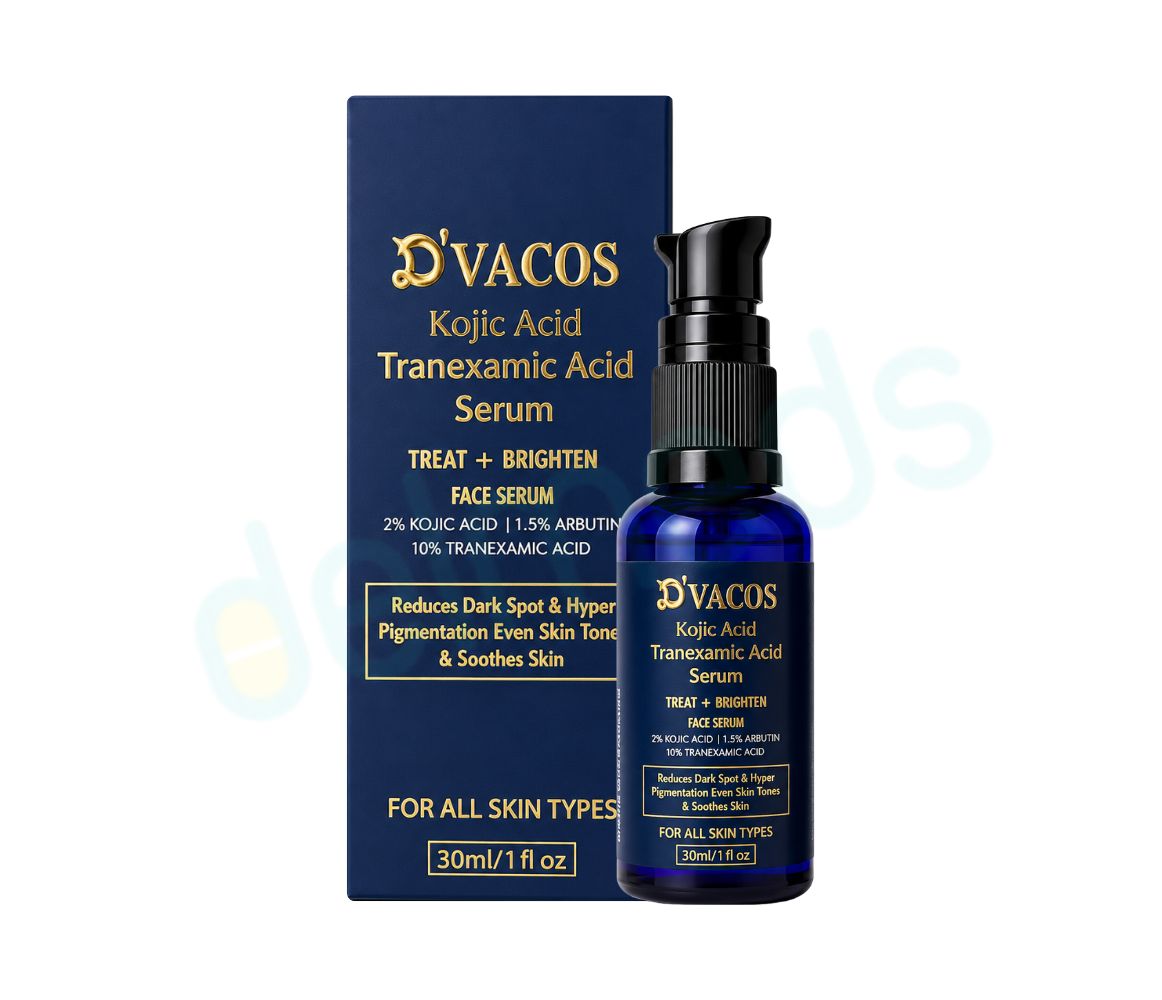
During this healing phase, you should avoid strong peeling agents, but once your barrier stabilizes, utilizing gentle Niacinamide & Acid-Based Serums can help manage hyperpigmentation and regulate sebum production under dermatologist supervision. Niacinamide is a fantastic ingredient for barrier repair, provided it is used in low, non irritating concentrations.
Even when staying indoors, UV rays penetrate window glass and further degrade compromised proteins in the skin. Therefore, daily application of physical Broad-Spectrum Sunscreens is nonnegotiable to prevent persistent redness and long term cellular damage. Look for mineral formulas containing zinc oxide, which naturally calms irritated skin while providing superb protection.
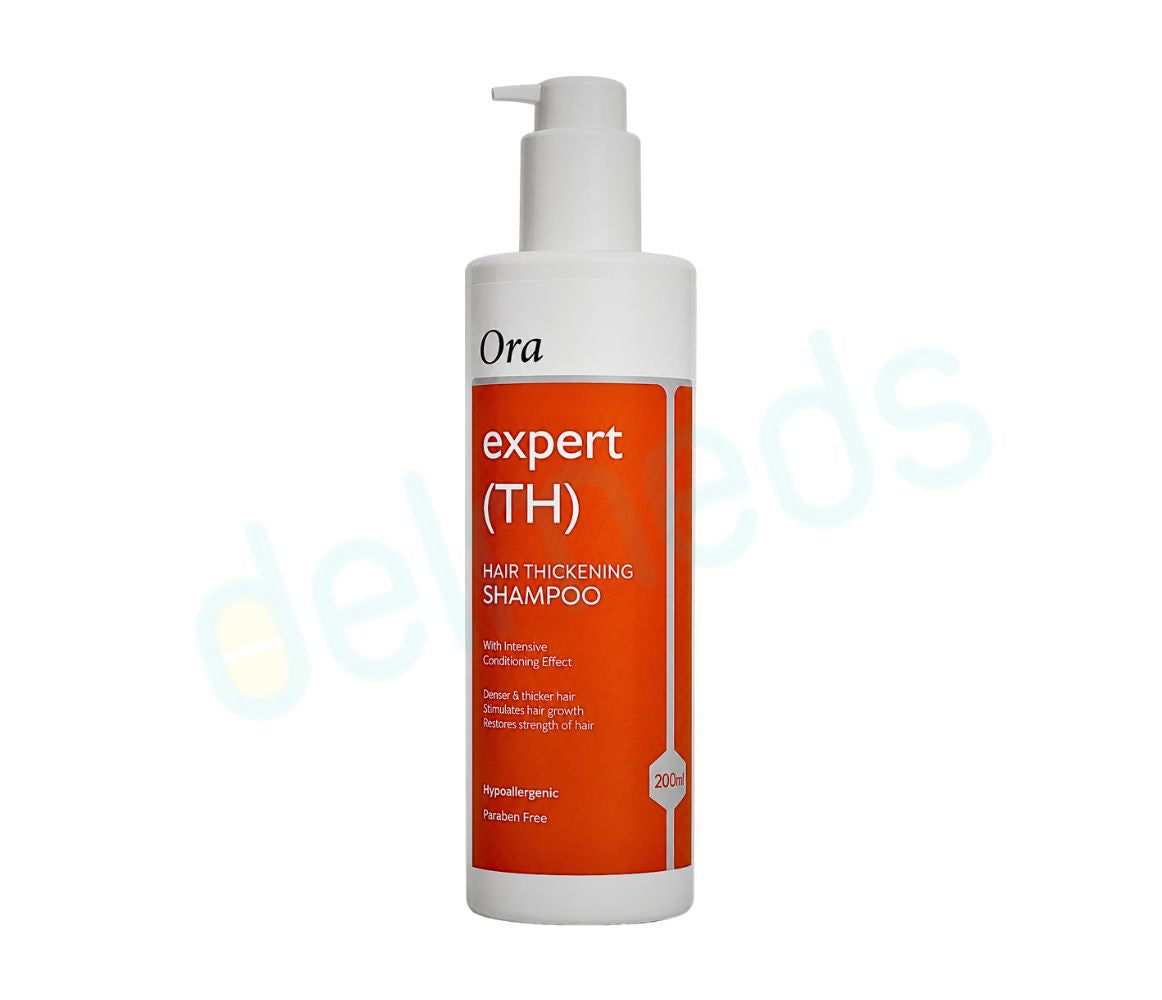
Interestingly, barrier disruption is not limited to your face. If you suffer from a flaky, irritated scalp, utilising targeted Clinical Hair Growth Treatments can help soothe follicular inflammation and restore the cutaneous microbiome of the scalp, showing that barrier care is essential from head to toe.
Your face burns because your skin barrier has microscopic cracks, allowing the ingredients in your moisturiser to penetrate too deeply and irritate the nerve endings. When healthy, your barrier blocks these ingredients from reaching sensitive deeper layers.
It typically takes anywhere from fifteen days to a full month for the outermost layer of skin to go through a complete natural renewal cycle. If the damage is severe, full recovery can take up to three months of consistent, gentle care.
Yes, a broken barrier allows bacteria to enter the skin much more easily, while the accompanying inflammation can clog pores and trigger sudden breakouts.
You should stop using all active ingredients, chemical exfoliants, and fragranced products immediately. Keep only a very gentle, bland cleanser, a basic ceramide moisturizer, and a physical sunscreen in your daily routine.
Pure petrolatum is an excellent occlusive that seals in moisture and protects the skin from external irritants while your natural lipids recover. Apply a thin layer over your basic moisturiser at night to lock in hydration.
This sudden sensitivity is a classic sign of barrier depletion. When your protective lipid layer is stripped, everyday environmental elements and standard products easily irritate your exposed skin cells.
Yes, washing your face with hot water strips away the natural sebum and essential oils that keep your skin barrier intact. Always use lukewarm or cool water when cleansing.
Dry skin is a skin type characterized by a lack of natural oil production, while dehydrated skin is a temporary condition where the skin lacks water. Dehydrated skin often feels tight and greasy at the same time.
High stress levels trigger the release of cortisol, which can slow down your skin's natural healing process and impair the production of lipids like ceramides, weakening your overall defence.
Vitamin C formulated as L ascorbic acid is highly acidic and can irritate a compromised barrier. It is best to avoid vitamin C until your barrier is completely healed.
When your skin barrier is compromised, immediate action is necessary to prevent chronic irritation. Here is your quick guide to recovery:
DISCLAIMER : This website provides general information for educational purposes only and should not be considered a substitute for professional medical advice, diagnosis, or treatment. Always seek the guidance of a qualified healthcare professional with any questions you may have regarding a medical condition. Do not disregard professional medical advice or delay seeking it because of information you've read on this website. Your health is important – when in doubt, consult a doctor.