Your shopping cart
😊 Product added to cart successfully
Product removed to cart successfully

Sunscreen is one of the most important skincare products, but for many people, especially in India, it is also one of the most uncomfortable products to use. You apply sunscreen in the morning with full motivation, and within a few minutes your face starts looking shiny, greasy, sticky, or sweaty. Sometimes it feels like the sunscreen is sitting on top of the skin instead of blending in. Sometimes the forehead and nose become oily within an hour. Sometimes the sunscreen mixes with sweat and makes the face look dull, heavy, or patchy.
This is one of the biggest reasons people skip sunscreen.
The problem is not always sunscreen itself. The problem is often the wrong sunscreen texture, wrong quantity in one layer, heavy moisturiser underneath, oily skin type, humid weather, sweat, poor cleansing, or choosing a formula that does not match your skin. For Indian skin, sunscreen is very important because UV exposure can worsen tanning, pigmentation, acne marks, melasma, uneven tone, and early ageing signs. But if the sunscreen feels oily or uncomfortable, most people will not use it daily.
So the real solution is not to stop sunscreen. The solution is to understand why your sunscreen makes your face look sweaty and oily, and how to choose and apply it in a way that feels lighter.
Sunscreen can feel oily because many sunscreen formulas contain emollients, film-forming agents, filters, silicones, oils, or moisturising ingredients that help the product spread evenly and stay on the skin. This film is important because sunscreen needs to form an even layer to protect the skin. But on oily skin, humid weather, or already moisturised skin, that layer can feel heavy.
A sunscreen that feels comfortable for dry skin may feel greasy on oily skin. A cream sunscreen may suit someone with dry or mature skin but may feel too thick for acne-prone skin. A rich sunscreen may look glowing on one person but sweaty on another. This is why sunscreen is very personal. The same product can be perfect for one skin type and completely uncomfortable for another.
In Indian weather, the problem becomes bigger because heat and humidity make the skin sweat more. Even if the sunscreen itself is not extremely oily, sweat can mix with sunscreen and create a shiny layer. This is why people often say, “My sunscreen makes me sweat,” even when the sunscreen is only making sweat more visible on the skin.
If your skin is naturally oily, sunscreen may look shiny faster than it does on dry skin. Oily skin produces more sebum during the day, especially around the forehead, nose, and chin. When this natural oil mixes with sunscreen, moisturiser, and sweat, the face can look greasy even if you applied a good product.
Acne-prone skin can also be tricky because many people want a sunscreen that feels light, does not clog pores, does not cause breakouts, does not leave a white cast, and does not become oily in humidity. AAD advises people with oily or acne-prone skin to look for sunscreen labelled “non-comedogenic” or “won’t clog pores.”
This does not mean every non-comedogenic sunscreen will be perfect for everyone, but it is a good starting point. If your sunscreen keeps causing bumps, closed comedones, or acne-like breakouts, it may be too heavy for your skin or not suitable for your routine.
Texture is one of the biggest reasons sunscreen looks oily. Cream-based sunscreens can feel nourishing, but they may feel heavy for oily or sweaty skin. Lotion sunscreens may work for normal or combination skin, but some can still feel shiny. Gel, fluid, aqua-gel, silicone-gel, and matte-finish sunscreens usually feel lighter and are often preferred by oily or acne-prone users.
The Indian Association of Dermatologists, Venereologists and Leprologists public skin-care guidance also suggests that people with oily acne-prone skin may look for non-comedogenic gel-based sunscreen.
If your sunscreen makes your face oily within minutes, check the texture first. You may not need a stronger cleanser or more powder. You may simply need a lighter sunscreen format. For daily comparison, you can explore different sunscreens based on finish, texture, skin type, and comfort.
Sunscreen needs to be used in enough quantity, but applying a thick layer all at once can make it feel heavy and greasy. Many people squeeze out a large amount and apply it in one go. This can make the product sit on top of the skin, pill, streak, or look oily.
A better method is to apply sunscreen in two thin layers. Apply the first thin layer, let it settle for a minute, then apply the second layer. This feels more comfortable than applying one thick layer at once. It also helps the product spread more evenly.
Do not reduce sunscreen too much just to avoid oiliness because under-applying sunscreen reduces protection. AAD recommends choosing broad-spectrum sunscreen with SPF 30 or higher, and using it properly on exposed skin. The goal is to apply enough sunscreen, but in a smarter way.
Sometimes sunscreen gets blamed when the real issue is the moisturiser underneath. If you apply a rich cream, face oil, thick barrier balm, or heavy moisturiser before sunscreen, the final layer can become too greasy, especially in humid weather.
Oily skin may not need a heavy moisturiser in the morning. A lightweight gel moisturiser or hydrating serum may be enough before sunscreen. Some sunscreens already contain moisturising ingredients, so oily skin may even skip separate moisturiser in the morning if the sunscreen feels comfortable and the skin does not feel dry.
For dry skin, moisturiser is still important. But the texture should match the weather. In summer or monsoon, a lighter lotion may work better than a thick cream. You can compare moisturisers by texture and skin type so the sunscreen layer does not become too heavy.
Layering too quickly can also make sunscreen look sweaty or oily. If you apply serum, moisturiser, and sunscreen one after another without waiting, the products may mix together and sit on the face. This can create a greasy finish, pilling, or uneven sunscreen layer.
After applying moisturiser, wait a few minutes before sunscreen. After sunscreen, wait before applying makeup or compact powder. This small pause can make the finish look better.
Morning skincare does not need too many layers. For oily or acne-prone skin, a simple routine often works better than a complicated one. Cleanser, lightweight moisturiser if needed, sunscreen, and optional compact powder are usually enough.
If your skin already has leftover sunscreen, sweat, oil, and pollution from the previous day, the next morning’s sunscreen may feel heavier. Proper cleansing at night is important, especially if you use water-resistant sunscreen, makeup, or multiple layers of SPF during the day.
A gentle cleanser helps remove residue without stripping the skin. Acne-prone skin should avoid harsh scrubbing because scrubbing can irritate acne and worsen inflammation. AAD recommends using a gentle non-abrasive cleanser and applying it with fingertips for acne-prone skin.
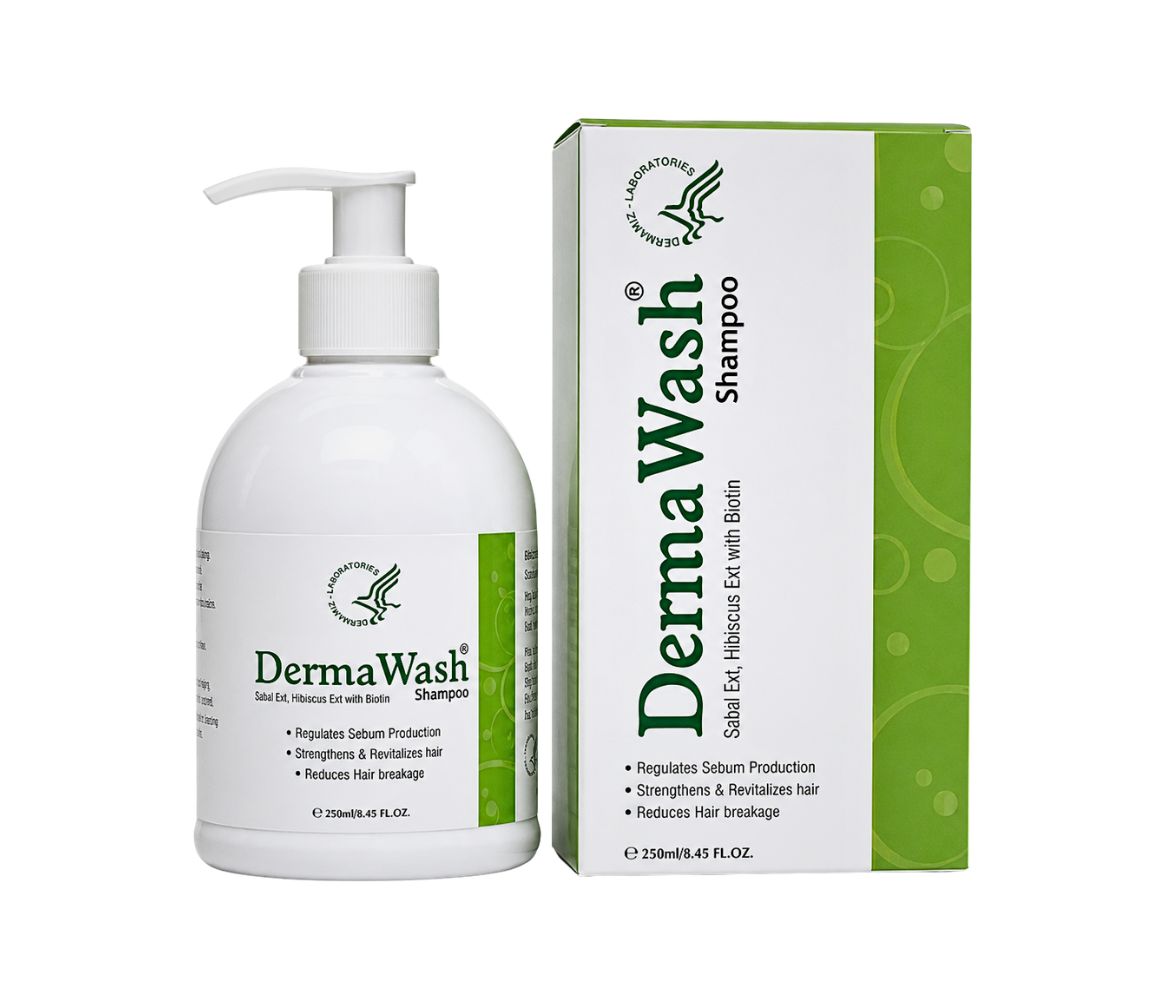
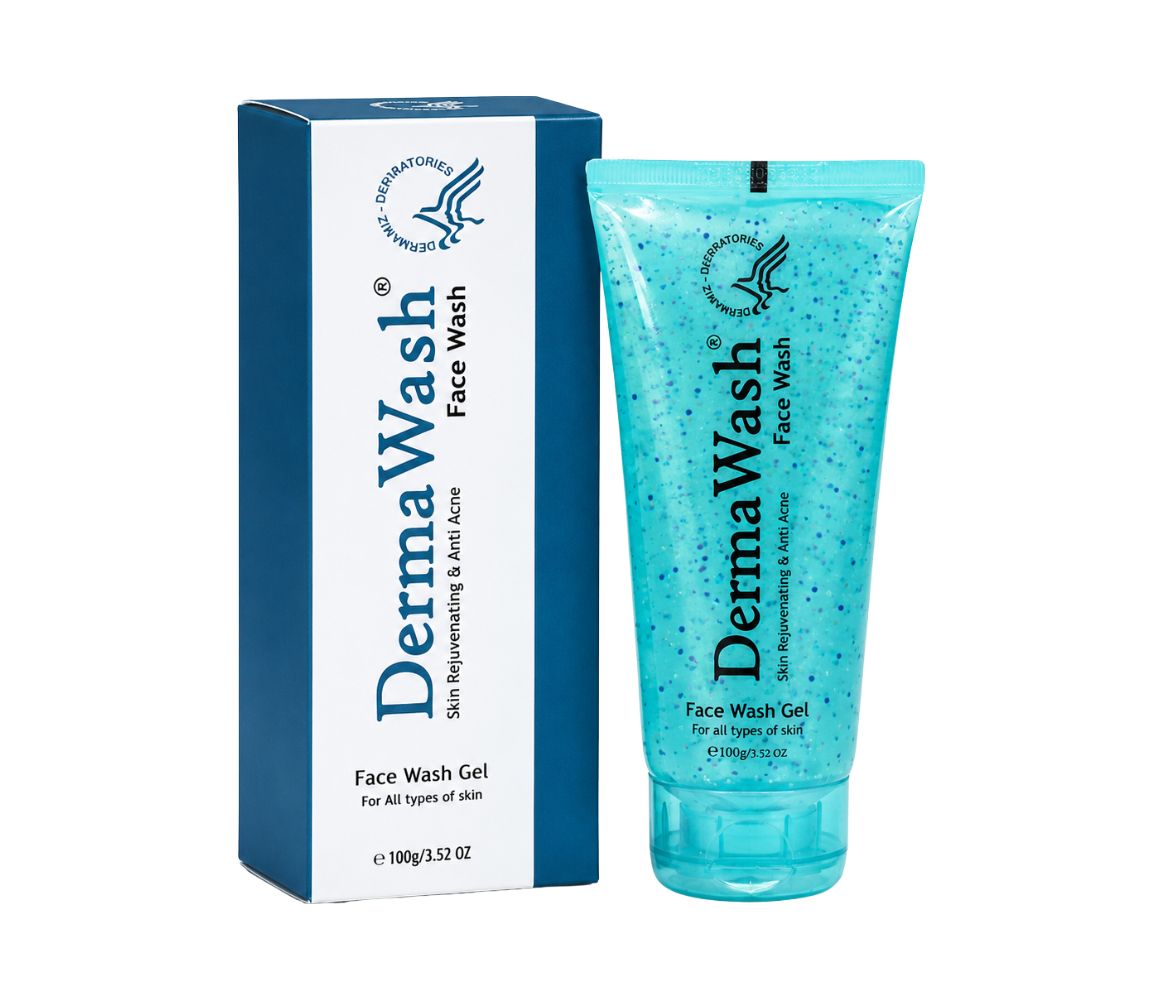
If your sunscreen feels heavy every day, look at your night cleansing routine. You may need better cleansing, not harsher cleansing. A gentle face cleanser like DermaWash Face Wash can support daily cleansing, especially when sweat, sunscreen, and pollution buildup are common.
Indian weather plays a major role. In humid cities, sweat does not evaporate easily. The skin stays moist, and sunscreen can feel sticky even if it is lightweight. Monsoon humidity can make the face look shiny within minutes. Summer heat can make sunscreen melt faster, especially around the nose, upper lip, forehead, and cheeks.
This does not mean sunscreen is unnecessary on cloudy or rainy days. UV rays can still affect the skin even when the weather does not feel sunny. Sunscreen remains important for pigmentation-prone and tanning-prone skin.
During humid weather, choose lighter textures, avoid heavy moisturisers in the morning, apply sunscreen in thin layers, and use blotting paper or a light compact if needed. Do not keep washing your face again and again because over-washing can irritate the skin and make acne-prone skin worse.
There is no one answer. Some chemical sunscreens feel lighter and more transparent, while some mineral sunscreens feel thicker or leave a white cast. However, some modern mineral sunscreens are designed to feel matte and comfortable. Cleveland Clinic notes that chemical sunscreens are often easier to apply and transparent on the skin, while mineral sunscreens can be a good option for sensitive or acne-prone skin.
For oily skin, the finish matters more than the category. A well-formulated chemical sunscreen can feel light. A well-formulated mineral sunscreen can feel matte. A poorly matched sunscreen from either category can feel greasy.
If you have sensitive skin, acne-prone skin, melasma, or irritation-prone skin, you may need to test different formats to find what feels best. For deeper Indian skin tones, white cast is also important. Tinted sunscreens can sometimes help reduce white cast and support visible-light protection, especially for pigmentation-prone skin.
Sometimes sunscreen does not only look oily. It can make the face look dull, grey, or darker. This can happen because of white cast, wrong tint, uneven application, oxidation with sweat and oil, or product buildup. On medium to deep Indian skin tones, some mineral filters can leave a greyish layer if not well formulated.
A sunscreen that looks good indoors may look different in sunlight. A formula that suits fair skin may not blend well on deeper skin. If your sunscreen makes you look dull, try a transparent gel sunscreen, a tinted sunscreen closer to your skin tone, or a lighter fluid texture.
Do not skip sunscreen because of this issue. Find a formula that works better for your tone and skin type.
Pilling means the product rolls into tiny flakes or balls on the skin. This often happens because of too many layers, incompatible textures, applying too much, rubbing too hard, or not giving products enough time to settle.
For example, a silicone-heavy primer, gel moisturiser, and silicone sunscreen may not layer well together. A thick moisturiser under a matte sunscreen can also cause pilling. Applying sunscreen over damp skincare can make it move around instead of forming a smooth layer.
To reduce pilling, keep your morning routine simple. Use less moisturiser, wait between steps, pat instead of rubbing aggressively, and apply sunscreen in thin layers.
If sunscreen causes breakouts, it may be due to a heavy texture, comedogenic ingredients for your skin, improper cleansing, sweat trapping, or using sunscreen that does not suit acne-prone skin. Sometimes the sunscreen is not the only cause. Your moisturiser, makeup, cleansing routine, hormonal acne, or humidity may also be involved.
AAD suggests acne-prone skin should choose products labelled non-comedogenic or “won’t clog pores.” If a sunscreen repeatedly causes closed comedones or breakouts, stop using it and try a lighter formula. Introduce one sunscreen at a time so you can understand what suits you.
Do not avoid sunscreen completely if you have acne. Acne marks can become darker with sun exposure, so sunscreen is important. The solution is to choose better, not skip it.
Oily skin usually does better with gel, matte, fluid, aqua-gel, silicone-gel, or oil-free sunscreen textures. A matte sunscreen can reduce shine, but it should not feel drying or powdery in a way that irritates the skin. Some people with combination skin prefer a semi-matte finish because fully matte formulas can feel tight on the cheeks.
A good sunscreen for oily skin should feel light, spread easily, not clog pores, not sting, and not look greasy after a few minutes. It should also be comfortable enough to reapply. A sunscreen that looks perfect for one hour but feels unbearable later is not ideal for daily use.
Start with a clean face. If your skin is oily, use a gentle cleanser in the morning. Apply a lightweight moisturiser only if your skin needs it. If your sunscreen is moisturising enough, you may skip moisturiser in the morning.
Apply sunscreen in two thin layers instead of one heavy layer. Let it settle for a few minutes. Avoid rubbing for too long because that can disturb the film and make the product pill. If your face still looks shiny, use blotting paper or a small amount of compact powder after the sunscreen settles.
If you sweat a lot, choose a water-resistant sunscreen when needed. Cleveland Clinic explains that water-resistant sunscreen is useful for swimming or sweating, but it still needs reapplication.
Powder can help reduce shine, especially for oily skin. A light compact or loose powder can make sunscreen look more natural and less sweaty. But powder should not replace sunscreen. It is only a finishing step.
Do not rub powder aggressively over fresh sunscreen. Let the sunscreen settle first, then lightly press powder on oily areas like the forehead, nose, and chin. If you are outdoors, sweating, or wiping your face, reapplication is still important.
You do not always need to wash your face before reapplying sunscreen. If you are indoors and not very sweaty, you can blot oil and reapply. If you are very sweaty, dusty, or outdoors, gently wiping or rinsing may make reapplication more comfortable.
The challenge with oily skin is that sunscreen reapplication can feel heavy. This is why choosing a lightweight sunscreen matters. If your first application already feels greasy, reapplication will feel even worse.
One common mistake is using a heavy moisturiser under sunscreen when your skin does not need it. Another mistake is choosing a cream sunscreen for oily skin when a gel or fluid formula would suit better. Applying too much product in one thick layer can also make the face look greasy.
Some people try to fix oiliness by using harsh face wash, skipping moisturiser completely, or using alcohol-heavy toners. This can irritate the skin and make it feel uncomfortable. Others keep changing sunscreens every few days, which makes it hard to know what is actually working.
The biggest mistake is giving up sunscreen completely. If one sunscreen feels oily, try a different texture. Sunscreen is not optional for Indian skin, especially if you deal with pigmentation, tanning, acne marks, or melasma.
A simple morning routine works best. Wash your face with a gentle cleanser. Use a lightweight moisturiser only if needed. Apply a gel, fluid, or matte-finish sunscreen in two thin layers. Let it settle. Use powder only on oily areas if you want a less shiny finish.
At night, cleanse properly to remove sunscreen, oil, sweat, and pollution. If your sunscreen is water-resistant, use a better cleansing method instead of scrubbing. Follow with a light moisturiser or barrier-supporting product if your skin feels dry.
This routine keeps sunscreen comfortable without overloading the skin.
Acne-prone skin needs sunscreen just as much as dry or normal skin. In fact, it may need sunscreen more because acne marks can darken with sun exposure. The challenge is choosing a formula that does not clog pores or feel heavy.
Look for non-comedogenic, oil-free, gel-based, or matte-finish formulas. Avoid very greasy textures if they trigger bumps. Remove sunscreen properly at night. Do not use sunscreen as an excuse to skip moisturiser if your skin barrier is dry, but also do not layer heavy creams unnecessarily.
AAD recommends acne-prone users protect their skin from the sun with broad-spectrum, water-resistant SPF 30 or higher and look for non-comedogenic sunscreen.
Indian skin tones range from fair to deep, and many sunscreens do not blend equally on all tones. White cast can make sunscreen look grey, dull, or patchy, especially on deeper skin tones. Oily shine can make this worse because the sunscreen reflects light unevenly.
If white cast is your issue, look for transparent gel sunscreen, hybrid formulas, or tinted sunscreen. If shine is your issue, look for matte or oil-control finish. If both are issues, you may need a sunscreen that is lightweight and either transparent or well-tinted.
The best sunscreen is the one you can wear daily without feeling embarrassed, greasy, or uncomfortable.
Sometimes sunscreen does not just feel oily. It may sting, burn, itch, water the eyes, or cause redness. This could be irritation or sensitivity to fragrance, filters, preservatives, or other ingredients. AAD notes that allergy-prone skin should avoid sunscreen with fragrance, parabens, or certain sunscreen ingredients such as oxybenzone-related filters.
If a sunscreen burns every time you apply it, stop using it. Try a gentler formula and consider dermatologist advice if your skin reacts to many sunscreens.
Sunscreen can make your face look oily because of its texture, moisturising ingredients, film-forming layer, your natural sebum, sweat, humidity, or heavy skincare underneath. Choosing a lighter gel, fluid, or matte sunscreen can help.
Sunscreen does not usually create sweat by itself, but it can make sweat feel more noticeable because it forms a layer on the skin. In humid weather, sweat mixes with sunscreen and can make the face look shiny.
Oily skin usually does better with gel-based, matte-finish, oil-free, lightweight, or non-comedogenic sunscreen. AAD recommends looking for “non-comedogenic” or “won’t clog pores” if you have oily or acne-prone skin.
You can skip moisturiser in the morning if your sunscreen is moisturising enough and your skin does not feel dry. If your skin feels tight or dehydrated, use a lightweight gel or lotion moisturiser before sunscreen.
This can happen because of white cast, wrong tint, oxidation with sweat and oil, or uneven application. Medium to deep Indian skin may need transparent, gel-based, hybrid, or tinted sunscreens that blend better.
Some sunscreens can clog pores or trigger breakouts in acne-prone skin, especially if they are heavy or not removed properly. Choose non-comedogenic formulas and cleanse well at night.
Use a light cleanser, avoid heavy moisturiser underneath, apply sunscreen in thin layers, let it settle, choose gel or matte textures, and use blotting paper or light powder if needed.
Matte sunscreen can be better for oily skin, but it should still feel comfortable. Some matte formulas can feel drying, so choose one that controls shine without irritating your skin.
If you get daylight exposure through windows or spend time near sunlight, sunscreen can still be useful, especially for pigmentation-prone skin. It is especially important when you go outdoors.
Yes, you can use a light compact or loose powder after sunscreen settles. It can reduce shine, but it should not replace sunscreen.
Sunscreen can make the face look sweaty or oily because of heavy texture, humid weather, natural sebum, sweat, thick application, or heavy moisturiser underneath. Oily and acne-prone skin should look for lightweight, gel-based, matte, oil-free, or non-comedogenic sunscreen. Apply sunscreen in thin layers instead of one heavy layer, let skincare settle, avoid over-layering, and cleanse properly at night. Do not skip sunscreen because one formula feels greasy. The better solution is to find a texture that suits your skin and Indian weather.
If your sunscreen makes your face look sweaty and oily, it does not mean sunscreen is bad for your skin. It usually means the formula, texture, layering, or application method is not right for you.
Oily skin needs sunscreen, but it needs a comfortable sunscreen. Acne-prone skin needs sunscreen, but it needs non-comedogenic and lightweight formulas. Indian skin needs sunscreen because tanning, pigmentation, acne marks, and uneven tone can worsen with UV exposure.
The best sunscreen is not always the most expensive or most viral one. It is the one that protects well, suits your skin, blends properly, does not feel too heavy, and makes you comfortable enough to use it every day.
Do not stop sunscreen. Change the way you choose it.
DISCLAIMER : This website provides general information for educational purposes only and should not be considered a substitute for professional medical advice, diagnosis, or treatment. Always seek the guidance of a qualified healthcare professional with any questions you may have regarding a medical condition. Do not disregard professional medical advice or delay seeking it because of information you've read on this website. Your health is important – when in doubt, consult a doctor.