Your shopping cart
😊 Product added to cart successfully
Product removed to cart successfully

Skincare is usually discussed in terms of cleansers, moisturisers, serums, sunscreen, retinoids, exfoliation, and face masks. These products can definitely help, but healthy skin is not only built on the bathroom shelf. Your lifestyle also plays a major role in how your skin looks and feels. Sleep, stress, nutrition, hydration, sun exposure, pollution, and physical activity all affect your skin in some way.
This is why people often say, “working out is the best skincare.” It sounds like a social media line, but there is truth behind it. Regular exercise supports better blood circulation, helps manage stress, supports sleep quality, improves overall health, and may give the skin a fresher, healthier look over time. That post-workout glow many people notice is not imagination. When you move your body, blood flow increases, and the skin may temporarily look more fresh and alive.
But exercise is not magic. Working out will not replace sunscreen, cleanser, moisturiser, acne care, or dermatologist advice when needed. It also will not erase pigmentation or acne scars overnight. In fact, if you do not take care of sweat, friction, dirty gym towels, tight clothes, and post-workout cleansing, exercise can sometimes trigger acne, folliculitis, rashes, and irritation.
So the real idea is not “exercise instead of skincare.” The better idea is “exercise plus smart skincare.”
When you exercise, your heart pumps faster and blood circulation increases. This improved blood flow helps deliver oxygen and nutrients throughout the body, including the skin. AAD explains that increased blood flow during exercise can provide oxygen and nutrients to skin cells and clear impurities from the skin, creating a post-workout glow.
This glow is usually temporary, but regular exercise may support healthier-looking skin in the long run because it improves overall body function. Your skin is an organ, and it reflects many things happening inside your body. If your lifestyle includes poor sleep, constant stress, no movement, low nutrition, and high screen time, your skin may look dull even if you use good products.
Exercise also supports better energy, mood, stamina, and metabolism. When your body feels better, your skin often looks better too. This does not mean every workout will directly clear acne or remove pigmentation, but it can support the kind of internal balance that helps skin look less tired.
Many people notice that their skin looks brighter after exercise. The face may look slightly flushed, fresh, and more awake. This happens because blood flow increases during activity. The skin may receive more oxygen and nutrients temporarily, which can create that natural glow.
But this glow should not be confused with permanent skin improvement from one workout. It is more like a healthy response from your body. If you work out regularly, eat well, sleep properly, and protect your skin from sun damage, the skin may gradually look more balanced and healthy.
The glow also depends on the type of workout. A brisk walk, strength training session, cycling, yoga, dancing, or running can all support circulation. You do not need an extreme workout to support skin health. Consistency matters more than intensity.
Stress can affect the skin in many ways. Some people get acne flare-ups during stressful periods. Some notice dullness, itching, sensitivity, or flare-ups of existing skin conditions. Stress can affect sleep, hormones, inflammation, food choices, and skin-picking habits. When stress becomes chronic, the skin can start looking tired and reactive.
Exercise is one of the most practical ways to manage stress. Even a daily walk can help your body release tension and improve mood. Better stress control may indirectly support acne-prone skin, dullness, and overall skin appearance.
This does not mean exercise is a complete acne solution. Cleveland Clinic notes that the effect of exercise on acne is not always simple, and post-workout skin care is important because sweat and oil can contribute to clogged pores in acne-prone people.
So exercise may help stress, but your post-workout habits decide whether your skin benefits or breaks out.
Good sleep is underrated skincare. When you sleep poorly, your skin can look dull, tired, puffy, and less fresh. Poor sleep may also affect stress levels and make you more likely to skip skincare or choose unhealthy food.
Regular physical activity can support better sleep for many people. When your sleep improves, your body gets better recovery time. Skin barrier repair, hydration balance, and overall skin appearance can feel better when sleep is consistent.
This is why a regular workout routine can support glowing skin indirectly. It is not only about sweat or blood flow. It is also about better lifestyle rhythm. A person who exercises regularly may also drink more water, eat better, sleep better, and feel less stressed. All of these can reflect on the skin.
Working out is powerful, but it is not a replacement for skincare basics. If you exercise daily but skip sunscreen, UV exposure can still cause tanning, pigmentation, acne marks, melasma, and early ageing signs. If you sweat heavily but do not cleanse properly, sweat, oil, bacteria, and friction may trigger breakouts. If you use harsh cleansers after every workout, you may damage your skin barrier.
A good skincare routine does not need to be complicated. For most people, the basics are enough: a gentle cleanser, moisturiser if needed, and sunscreen during the day. If you have acne, pigmentation, dandruff, fungal rashes, or severe sensitivity, you may need targeted care.
For daily skin protection during outdoor workouts, choosing comfortable sunscreens matters because sunscreen is only useful when you actually apply it consistently.
Sweat itself is not the enemy. Sweating is a normal body function that helps regulate temperature. The issue starts when sweat mixes with oil, bacteria, makeup, sunscreen, dust, tight clothing, and friction, then stays on the skin for too long.
AAD explains that sweat mixed with makeup can be more damaging because pores are already clogged before the workout begins. It also recommends gently patting sweat with a clean towel instead of rubbing, and washing after workouts.
If you are acne-prone, this becomes more important. Sweat trapped under helmets, masks, gym clothes, tight sports bras, or backpacks can irritate the skin and contribute to breakouts. This is why many people get pimples on the forehead, jawline, back, chest, shoulders, or buttocks after workouts.
Gym acne is common, especially in Indian weather where heat and humidity already make the skin sweaty and sticky. Workout acne can happen when sweat, oil, and friction irritate hair follicles and clog pores. Tight clothes, dirty gym equipment, unwashed towels, helmets, caps, and staying in sweaty clothes for too long can make it worse.
AAD recommends showering and changing clothes as soon as possible after working out or doing anything that causes sweating, especially for back acne. It also advises wearing loose-fitting workout clothes made of cotton or sweat-wicking fabric and washing workout clothes after each use.
This does not mean you should stop working out if you get acne. It means your workout hygiene needs to improve. Clean skin, clean clothes, and clean towels matter as much as the workout itself.
Before working out, your skin should not be overloaded with heavy products. If you are exercising indoors, you usually do not need layers of serum, heavy moisturiser, makeup, and sunscreen unless needed for your routine. Heavy layers can mix with sweat and make the skin feel clogged.
If you are working out outdoors, sunscreen is important. AAD advises reapplying sunscreen every two hours and after swimming or sweating during long outdoor fitness sessions.
For acne-prone skin, avoid heavy makeup before workouts. If makeup mixes with sweat, oil, and friction, it can increase the chance of clogged pores. If you must wear something, keep it light and non-comedogenic.
The most important skincare step after a workout is removing sweat and buildup. AAD recommends washing the face after sweating and using a gentle non-abrasive cleanser with fingertips for acne-prone skin. Scrubbing with rough towels or tools can irritate acne-prone skin.
After a workout, cleanse your face gently. If you worked out outdoors with sunscreen, cleanse properly to remove sweat, sunscreen, and pollution. If your skin feels dry after washing, apply a lightweight moisturiser. If you are going out again during the day, reapply sunscreen.
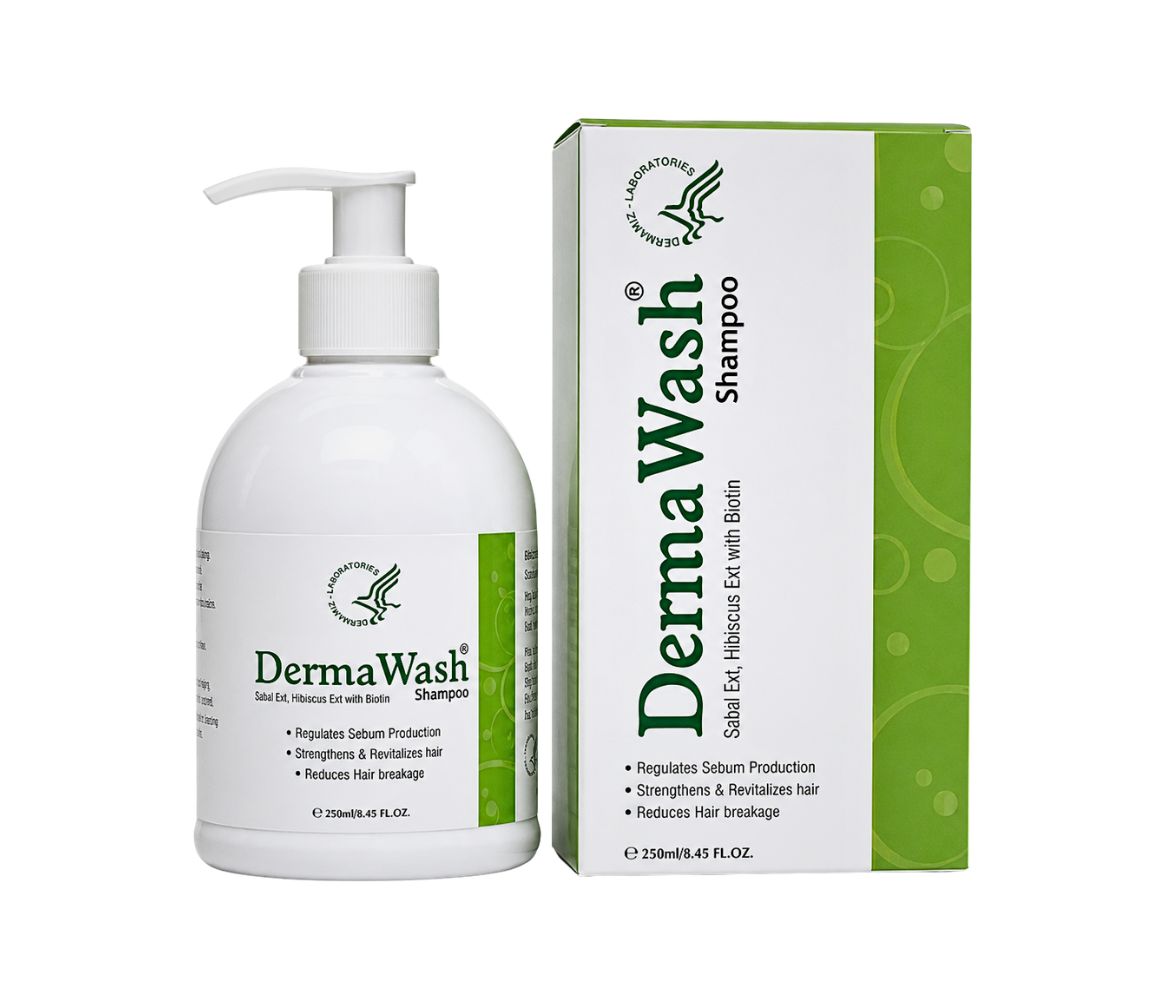
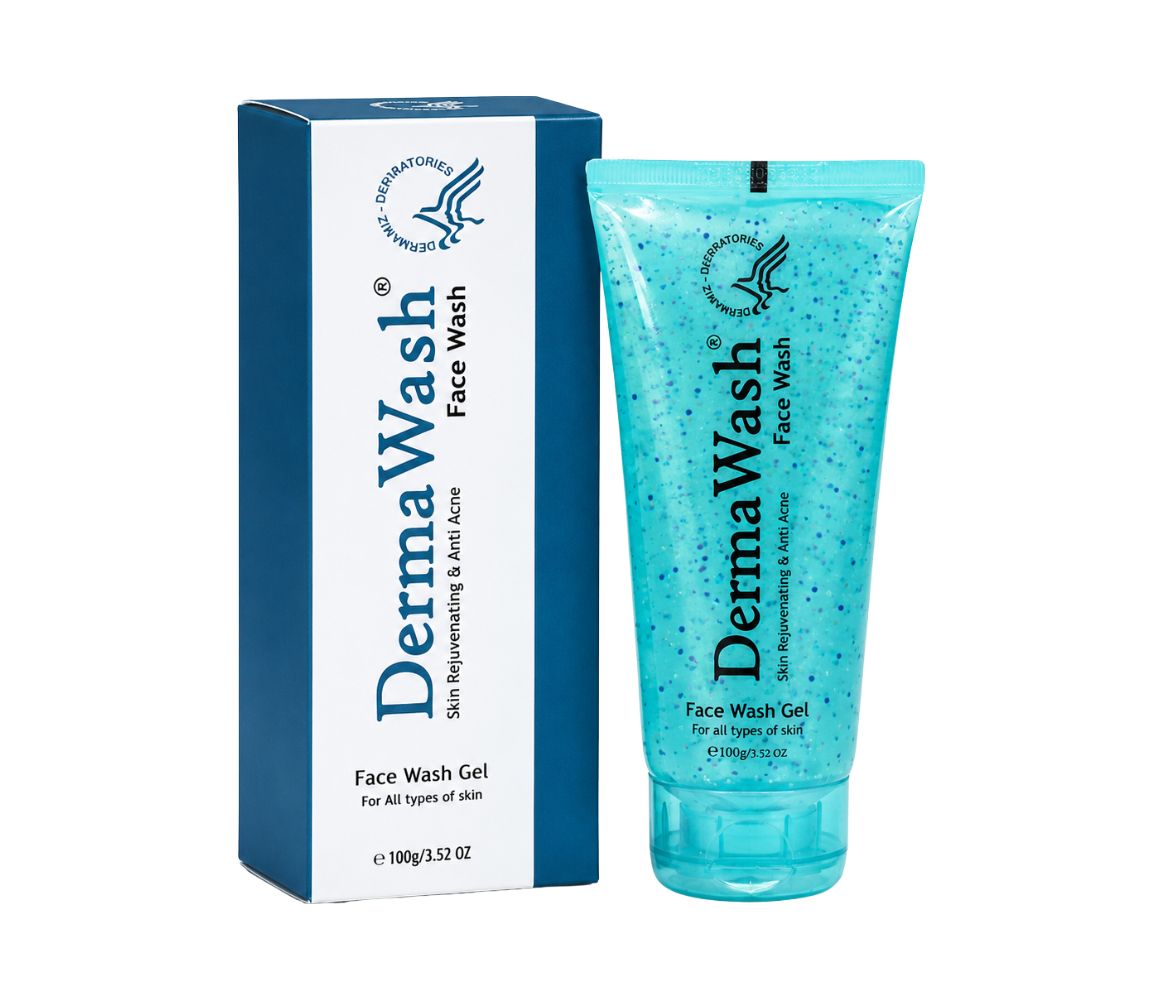
For people who sweat a lot or deal with oily acne-prone skin, a gentle cleanser like DermaWash Face Wash can support daily cleansing without making the routine too aggressive, depending on skin type and tolerance.
Oily and acne-prone skin needs balance. Many people wash too aggressively after exercise because they want to remove every bit of oil. But harsh cleansing can strip the skin and cause irritation. If the skin barrier becomes weak, acne may look more inflamed and marks may become darker.
A better approach is to cleanse gently after sweating, use a lightweight moisturiser if needed, and apply sunscreen during the day. If you get body acne on the back, chest, or shoulders, change sweaty clothes quickly and shower as soon as possible.
Do not keep sitting in sweaty gym clothes after your workout. Do not reuse sweaty towels. Do not wipe your face with the same towel used on gym machines. These small habits can make a big difference.
Dry or sensitive skin can also struggle with workouts. Sweat can sting if the skin barrier is weak. Frequent washing after exercise can make dryness worse. Outdoor workouts can increase sun exposure and wind-related dryness. If your skin burns after cleansing, your cleanser may be too harsh.
For dry or sensitive skin, use a mild cleanser and avoid over-washing. After cleansing, apply moisturiser to support the skin barrier. Ingredients like glycerin, ceramides, panthenol, hyaluronic acid, and squalane can help support dryness and barrier comfort.
You can compare moisturisers based on texture and skin type, especially if your skin feels tight after workouts or cleansing.
Exercise may support healthy ageing in several indirect ways. It helps maintain circulation, supports better sleep, improves stress management, and supports overall body health. Strength training can also support muscle tone and posture, which can influence how fresh and energetic you look.
But exercise cannot replace sunscreen for ageing skin. UV exposure is one of the biggest external causes of early ageing signs, tanning, pigmentation, and collagen breakdown. If you run outdoors every morning without sunscreen, your skin may still develop sun-related damage over time.
So if your goal is healthy ageing, combine exercise with sunscreen, moisturiser, sleep, protein intake, hydration, and a consistent routine.
Many people ask whether working out can increase collagen in the skin. The answer is not as simple as saying exercise directly builds facial collagen like a cream or procedure. However, exercise supports overall health, blood flow, metabolism, and healthy ageing habits, which can indirectly support better skin quality.
Strength training, adequate protein, vitamin C-rich foods, sleep, and sunscreen are all important for healthy ageing. Exercise is one part of that bigger picture. If you want skin that looks firm and healthy over time, do not depend only on collagen supplements or anti-ageing serums. Build the lifestyle foundation too.
In India, workouts often happen in heat, humidity, pollution, dust, and strong sunlight. This can make sweat heavier and stickier. Outdoor workouts can also increase UV exposure, while indoor gyms can create sweat, friction, and shared-equipment hygiene issues.
People with acne marks and pigmentation need to be especially careful with sun exposure. Outdoor walking, running, cycling, cricket, football, and gym travel can all expose the skin to UV rays. Sunscreen is important even if the weather is cloudy or you are stepping out only for a short time.
During monsoon, damp clothes and sweat can increase the risk of body rashes and fungal irritation. During summer, heat and sweat can trigger acne and prickly heat. During winter, repeated washing after workouts may dry the skin. Your routine should change slightly with the season.
One common mistake is working out with makeup. This can trap sweat and oil and make breakouts more likely. Another mistake is rubbing sweat aggressively with a towel. AAD recommends patting sweat gently with a clean towel instead of rubbing.
Staying in sweaty clothes for too long is another major mistake. This can trigger body acne, folliculitis, odour, and rashes. Reusing sweaty gym clothes or towels can also irritate the skin.
Skipping sunscreen during outdoor workouts is a big mistake for Indian skin. UV exposure can worsen tanning, pigmentation, melasma, acne marks, and early ageing signs.
Over-cleansing after workouts is also a problem. Washing again and again with harsh face wash can make the skin dry, tight, and irritated. Cleanse properly, but gently.
You do not need extreme fitness to support your skin. A simple routine that includes walking, strength training, stretching, yoga, cycling, swimming, dancing, or any regular movement can help. The best workout is the one you can do consistently.
For beginners, daily walking is a great start. It improves circulation, reduces stress, and is easier to maintain. Strength training two to three times a week can support overall body health and healthy ageing. Yoga and stretching can help reduce stress and improve body comfort.
The workout should match your health, age, schedule, and fitness level. If you have medical conditions, pain, breathing issues, heart concerns, or severe fatigue, ask a doctor before starting intense exercise.
Exercise works better when supported by good nutrition. If you work out but eat very poorly, sleep badly, and stay dehydrated, your skin may still look dull. Healthy skin needs protein, vitamins, minerals, healthy fats, and hydration.
Protein helps support tissue repair. Vitamin C-rich foods support normal collagen formation. Omega-3-rich foods may support overall wellness. Fruits, vegetables, dal, curd, eggs, fish, nuts, seeds, paneer, tofu, and enough water can all support general skin and body health.
Avoid thinking of skincare as only external. Your skin needs internal support too.
Exercise can support stress management, circulation, and overall health, which may help some people indirectly. But acne is influenced by hormones, oil production, clogged pores, bacteria, inflammation, genetics, skincare, diet, medication, and lifestyle. So exercise alone cannot be promised as an acne cure.
Cleveland Clinic explains that exercise may help acne for some people because of stress reduction and better circulation, but sweat, oil, and friction can also worsen acne if post-workout skin care is poor.
If your acne is mild, better workout hygiene may reduce sweat-related breakouts. If acne is painful, cystic, recurring, or leaving marks, see a dermatologist.
Exercise can help dull skin indirectly by improving circulation, stress, sleep, and overall lifestyle. If dullness is caused by poor sleep, stress, inactivity, and low energy, regular movement may help your face look fresher.
But if dullness is caused by tanning, pigmentation, dead skin buildup, dehydration, over-exfoliation, anaemia, vitamin deficiencies, or poor skincare, exercise alone may not fix it. You need to understand the cause.
For dull skin, combine exercise with sunscreen, hydration, enough sleep, moisturiser, and a gentle routine. Do not over-exfoliate just because skin looks dull.
Yes, regular exercise can support healthier-looking skin by improving blood flow, supporting stress control, sleep, and overall wellness. But it should be combined with good hygiene and basic skincare.
Skin may glow after exercise because blood flow increases during activity. This can temporarily deliver more oxygen and nutrients to skin cells, giving a fresher appearance.
Exercise may help some people indirectly by reducing stress and supporting overall health, but it can also worsen acne if sweat, friction, makeup, and dirty clothes are not managed properly.
Yes, especially if you sweat. AAD recommends washing skin after sweating and using a gentle non-abrasive cleanser for acne-prone skin.
Sweat can contribute to breakouts when it mixes with oil, bacteria, makeup, sunscreen, and friction, especially if it stays on the skin for too long.
Yes. Sunscreen is important during outdoor workouts. AAD recommends reapplying sunscreen every two hours and after sweating or swimming during long outdoor activity.
Yes, gym acne can happen due to sweat, friction, tight clothing, sports equipment, and delayed showering. Changing clothes and cleansing after workouts can help.
Exercise can support healthy ageing indirectly by improving circulation, sleep, stress control, posture, and overall health. But sunscreen is still essential for preventing sun-related ageing.
It is better to avoid heavy makeup during workouts because sweat mixed with makeup can clog pores and increase breakouts.
Cleanse gently after sweating, change sweaty clothes, moisturise if skin feels dry, and apply sunscreen again if you are going outdoors during the day.
Working out can support healthy glowing skin by improving blood flow, reducing stress, supporting sleep, and improving overall wellness. The post-workout glow is real, but exercise does not replace skincare. Sweat is not bad, but leaving sweat mixed with oil, makeup, sunscreen, bacteria, and friction on the skin can trigger acne, body breakouts, rashes, and irritation. The best approach is to exercise regularly, cleanse gently after sweating, change sweaty clothes quickly, avoid heavy makeup during workouts, moisturise if needed, and use sunscreen for outdoor activity.
Working out may be one of the most underrated skincare habits because it supports the body from the inside. Better circulation, better stress control, better sleep, and better overall health can all reflect on the skin. That natural post-workout glow is one reason exercise feels so refreshing.
But exercise works best for skin when it is paired with smart skincare. Sweat, friction, dirty towels, tight clothes, makeup, and delayed cleansing can create breakouts and irritation. So the goal is not only to work out, but to recover your skin properly after working out.
For Indian skin, this balance matters even more because heat, humidity, pollution, tanning, acne marks, and pigmentation are common. Use sunscreen outdoors, cleanse after sweating, keep your routine simple, and choose products that support your skin barrier.
Working out is not a replacement for skincare.
It is the lifestyle step that makes skincare work better.
DISCLAIMER : This website provides general information for educational purposes only and should not be considered a substitute for professional medical advice, diagnosis, or treatment. Always seek the guidance of a qualified healthcare professional with any questions you may have regarding a medical condition. Do not disregard professional medical advice or delay seeking it because of information you've read on this website. Your health is important – when in doubt, consult a doctor.